

Managing your time between demanding game sessions and real-world responsibilities often feels like a losing battle, but the solution lies in treating gaming as a structured hobby rather than an open-ended distraction. The core strategy is to assign specific time slots to your play schedule, ensuring that your leisure activity supports your daily productivity instead of eroding it. By viewing your gaming habits through the lens of intentional planning, you can keep up with major releases like Elden Ring or Half-Life titles without sacrificing sleep or work performance. This approach removes the guilt associated with long playtimes and replaces it with a clear framework that respects both your passion for interactive entertainment and your other life commitments.
Audit Your Current Gaming Schedule
Before you can change anything, you need an honest look at where your hours actually go. Track every minute you spend on Steam or your console for one full week, noting the start time, end time, and the specific game you played. Most players discover that their sessions are not fixed blocks of time but rather fragmented periods that stretch out due to “one more round” mentality. This data will reveal patterns, such as late-night binges that disrupt your sleep cycle or midday breaks that bleed into productive work hours.
Identify the trigger points that cause you to extend a session beyond its intended length. Often, these triggers are tied to specific in-game mechanics, such as reaching a difficult boss fight or wanting to complete a daily quest in a live-service title. Understanding these psychological hooks helps you recognize when your desire to keep playing is driven by game design rather than genuine enjoyment. Write down three specific moments from your tracking week where you lost track of time and analyze what was happening on the screen at that exact moment.
This audit is not about judging yourself harshly for playing too much, but about gathering objective facts. A spreadsheet with columns for date, game title, duration, and mood before and after play can be surprisingly revealing. You might find that you feel more stressed after a three-hour competitive match than after a relaxed two-hour adventure game. Use these insights to categorize your games by their impact on your energy levels, which will inform the scheduling rules you create in the next step.
Set Firm Time Boundaries for Sessions
Once you have your data, establish strict start and end times for your gaming blocks. If you typically play after work, set a hard stop at 11:00 PM to ensure you get at least seven hours of sleep before your morning routine. Use physical alarms or smart home devices that dim the lights and announce the time limit, as relying on willpower alone is often insufficient against the pull of an engaging narrative. Treat these boundaries with the same respect you would give a meeting with your boss or a deadline for a project.
For longer sessions, break them into smaller chunks with mandatory breaks every 45 to 60 minutes. This prevents mental fatigue and physical strain, particularly if you are playing fast-paced titles that require rapid reflexes. During these breaks, step away from the screen completely; do not just sit in your chair scrolling through social media or reading reviews. Stretch your wrists, hydrate, and look at something far away to reduce eye strain, which is common among players who spend many hours staring at high-refresh-rate monitors.
Consistency is more important than the total duration of your sessions. A player who plays for exactly two hours every day will maintain a healthier balance than one who plays for eight hours on weekends and none during the week. This regularity helps your brain anticipate the leisure period, reducing the anxiety of “what if I don’t get to play today?” By making gaming a predictable part of your routine, you eliminate the chaotic feeling of trying to fit it in whenever there is a gap in your schedule.
Create a Distraction-Free Play Zone
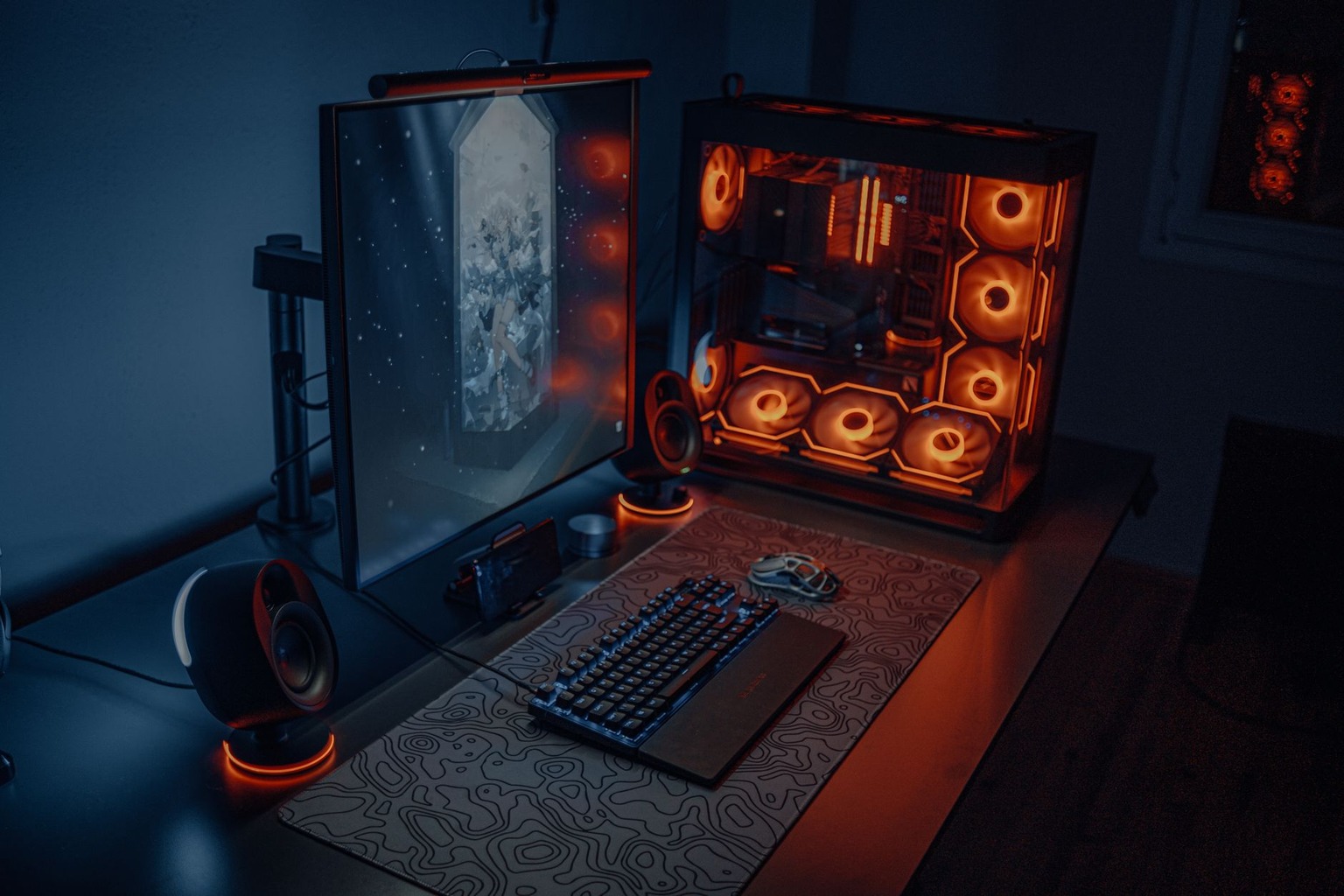
Your physical environment plays a massive role in how easily you can start and stop playing. Designate a specific area for your gaming setup that is separate from your sleeping area and, if possible, your primary work station. This spatial separation helps your brain switch modes; when you sit down at your desk with your headset on, you are in “play mode,” and when you stand up, you are leaving it behind. Keep this space tidy and free of non-gaming clutter that might distract you or make the transition back to real life feel jarring.
On BoxOfBento they explain balancing gaming and adult life—watch their guide right here.
Manage digital distractions aggressively during your scheduled playtime. Silence notifications on your phone and disable email alerts on your computer so that work or personal messages do not interrupt your flow state. Conversely, when your gaming session ends, leave your phone in another room for the next 30 minutes to help you fully disengage from the game world. This digital detox period allows your mind to shift focus back to offline tasks without the constant tug of online communities or news feeds.
Consider the lighting and ambient sound in your play zone as well. Harsh blue light from monitors can interfere with your ability to wind down, so use warm-toned room lighting that is easy on the eyes during evening sessions. If you live in a noisy environment, noise-canceling headphones can help you focus on game audio cues without needing to crank the volume to unsafe levels. A comfortable chair and proper ergonomics are also essential; pain or discomfort will only shorten your session or make you irritable when you have to stop playing.
Prioritize Games Based on Commitment Level
Not all games require the same level of time investment, and mixing them up can help maintain balance. Categorize your library into low-commitment titles, such as short indie adventures or puzzle games, and high-commitment titles, like massive open-world RPGs or competitive ranked modes. Schedule high-commitment games for times when you have more mental energy and free time, such as weekends or holidays, rather than trying to chip away at them after a long workday when your focus is already depleted.
Be mindful of live-service games that use daily login rewards or limited-time events to keep you engaged. While these mechanics can be fun, they often create a sense of obligation that conflicts with your balance goals. Decide in advance how many days per week you are willing to engage with these titles and ignore the rest. If a game starts to feel like a job because you are playing it solely to maintain a streak or complete a seasonal pass, it is time to take a break or switch to a more self-contained experience.
Rotate your games regularly to prevent burnout on any single title. Playing the same game for weeks can lead to a point of diminishing returns where the joy fades and the time cost feels excessive. Try alternating between a competitive shooter and a relaxing simulation game to keep your experience fresh. This variety also prevents your gaming habit from becoming monotonous, which is a common reason players feel guilty about their total playtime; if you are enjoying a diverse range of experiences, the time spent feels more productive and satisfying.
Communicate Your Schedule with Others
Your gaming habits affect the people around you, whether they are family members, roommates, or partners. Discuss your new schedule with them so they understand when you will be available and when you need uninterrupted time to focus on a difficult raid or story chapter. This transparency reduces friction and prevents misunderstandings where others might feel ignored while you are in the middle of a session. Agree on signals that indicate you are fully engaged, such as wearing a specific color of earbuds or turning off the room light.
In return, be available for social interactions outside of your gaming blocks. Do not let your online friendships completely replace face-to-face connections with people in your immediate environment. Plan regular non-gaming activities with friends and family, such as going out for a meal or taking a walk together, to maintain a well-rounded social life. Balance is not just about time management; it is also about ensuring that your relationships remain healthy and vibrant despite your passion for gaming.
If you live alone, consider joining a local gaming group or community that meets in person once a month. This provides a structured social outlet that is still related to your hobby but forces you to step away from the screen and interact in the physical world. These real-world connections can provide perspective and remind you that there are many enjoyable ways to spend time besides sitting at a computer. They also help keep your gaming perspective in check, as you will hear about other players’ experiences and how they manage their own lives.
Monitor Your Mental State and Adjust
Regularly check in with yourself to see if your current schedule is working or if it needs adjustment. Pay attention to your mood after gaming sessions; if you consistently feel drained, irritable, or anxious, it is a sign that you are playing too much or playing the wrong type of game at the wrong time. Use this feedback to tweak your boundaries, perhaps shortening your sessions by 15 minutes or switching to a less intense genre. The goal is to end each session feeling refreshed and satisfied, not exhausted or regretful.
Be flexible enough to change your schedule when life circumstances shift. During periods of high work stress or personal challenges, you may need to reduce your gaming time significantly or take a complete break to focus on more pressing matters. This is not a failure; it is a healthy response to external pressures. Conversely, during vacation or low-stress periods, you can safely increase your playtime without feeling guilty, as long as you maintain some basic structure.
Keep a simple journal of your gaming experiences and how they affect your day-to-day life. Note down any moments where gaming helped you relax and de-stress after a tough day, as well as any times it interfered with your responsibilities. This record will help you identify long-term trends and make informed decisions about which games to keep in your rotation and which to pause. Over time, you will develop an intuitive sense of what works best for your specific lifestyle and personality.
Avoid Common Pitfalls in Time Management
One of the most common mistakes is using gaming as a primary coping mechanism for stress or boredom without addressing the root cause. If you are constantly reaching for your controller because you are unhappy with your job or relationships, gaming will only provide temporary relief. Instead, try to identify and address the underlying issues through other activities, such as exercise, creative hobbies, or talking to a trusted friend. Gaming should be a reward for a well-managed life, not a substitute for it.
Another pitfall is the “just one more level” trap, which is particularly strong in games with frequent checkpoints or progression systems. To counter this, set a specific goal for each session before you start playing, such as “I will finish the current mission” or “I will play for 30 minutes.” Once that goal is achieved, stop immediately, even if you are close to another checkpoint. This discipline trains your brain to respect your time limits and reduces the frustration of always feeling like you are right on the verge of completion.
Finally, do not compare your gaming habits to those of professional players or hardcore enthusiasts who may spend 10 or more hours a day playing. Their lifestyle is not a model for everyone, and trying to match their playtime can lead to burnout and neglect of other important life areas. Focus on what makes you happy and sustainable in the long run, rather than chasing a high score or competitive rank that comes at the cost of your well-being. Your balance is personal, and it should reflect your unique values and priorities.

I’ve been playing video games since I got my first console at age five, and I love sharing insights about the industry. Writing about game design, indie gems, and the latest releases keeps me excited about the future of gaming.