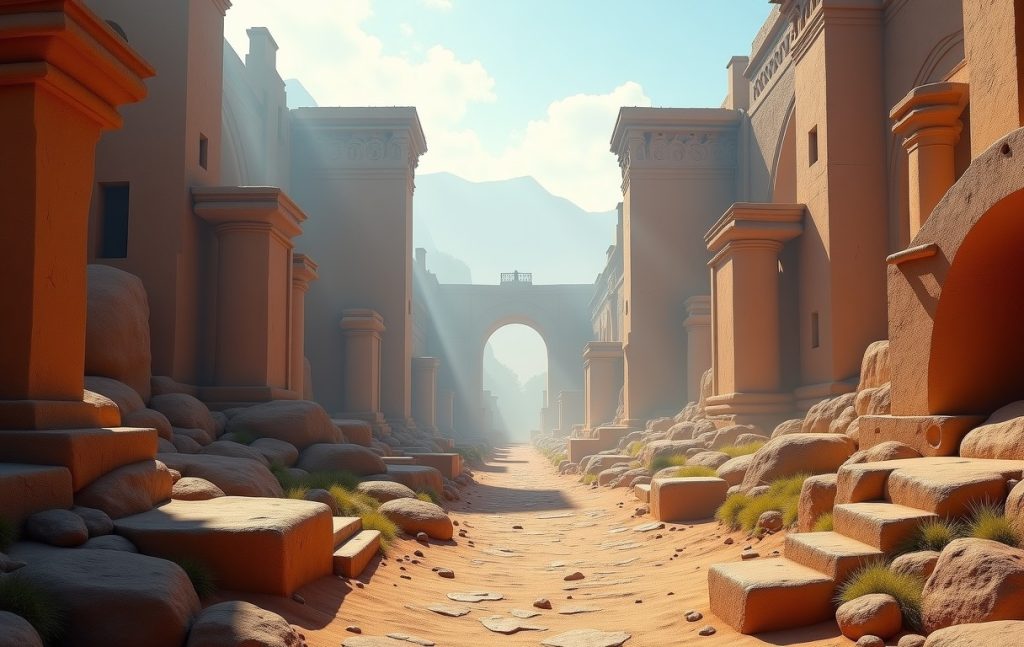
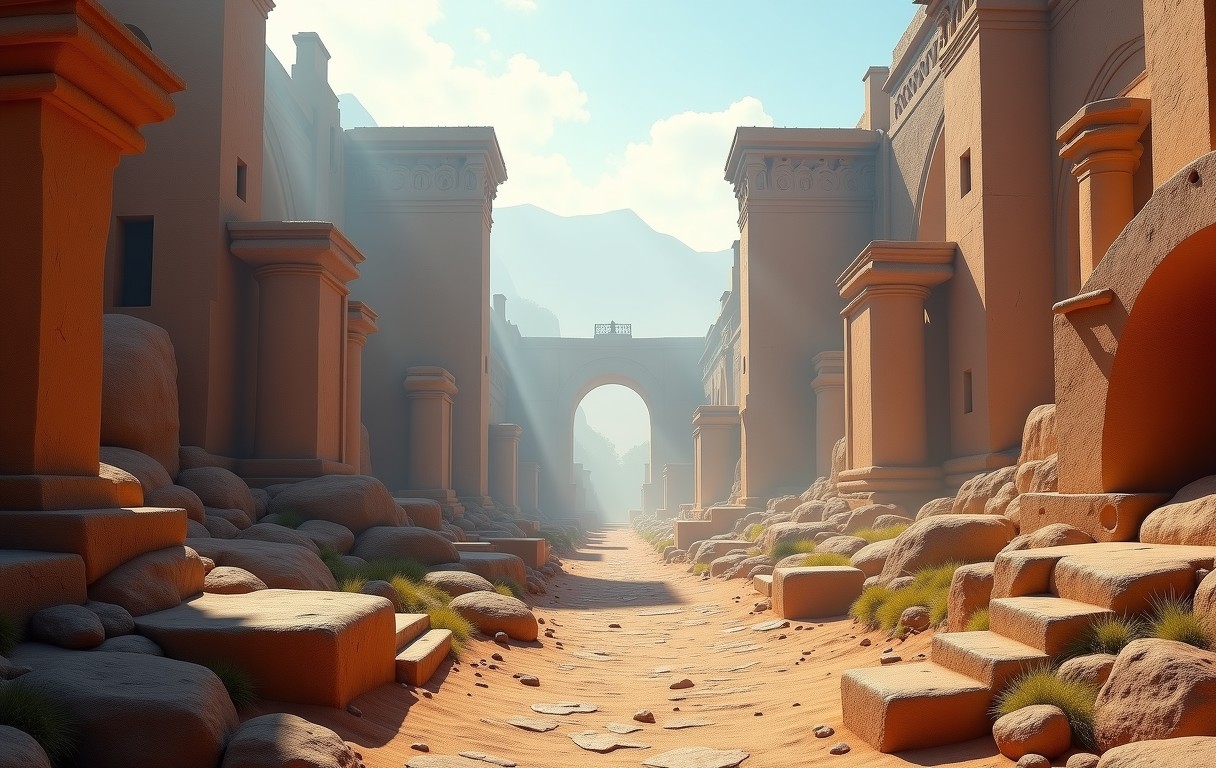
Level design is the craft of shaping virtual space so that players feel a clear sense of purpose, encounter challenges that match their skill, and experience a story without needing a narrator to spell everything out. On a site devoted to computer games, understanding how a designer turns a blank map into a memorable playground helps both creators and fans appreciate the hidden work behind every jump, puzzle, or boss fight.
The Roots of Modern Level Design
The discipline emerged in the early 1980s when arcade cabinets demanded tight, repeatable experiences. Designers such as Shigeru Miyamoto learned to guide players with visual cues because a joystick could not convey complex instructions. By the time 3D engines arrived, the role had split into specialists who focused on geometry, enemy placement, and pacing. This evolution turned level design from a side effect of programming into a recognized career path, with studios now listing “level designer” alongside “artist” and “programmer” on job boards.
Historical milestones illustrate the shift. The original Super Mario Bros. taught players to read hills as ramps, while Half‑Life introduced scripted events that altered the environment in response to player actions. Both games proved that a well‑crafted level could convey narrative, teach mechanics, and keep the player engaged without a single line of dialogue.
Core Responsibilities of a Level Designer
A level designer translates game concepts into concrete spaces. The first task is to break down a designer’s vision into gameplay beats: where the player starts, where obstacles appear, and where rewards are placed. Next comes layout planning, often using graph paper or digital tools to sketch flowcharts that show possible player routes. Finally, the designer iterates on enemy AI, lighting, and sound cues to ensure each segment feels distinct yet part of a larger whole.
Collaboration is a daily habit. Artists supply textures and props, while programmers expose APIs that let designers spawn items or trigger events. Play testers provide feedback that reveals hidden frustrations, prompting the designer to adjust platform spacing or puzzle difficulty. The whole process repeats until the level meets the intended experience score set by the lead designer.
Designing for Player Flow and Pacing
Good pacing resembles a well‑written story: it alternates tension and release. In a platformer, a series of tight jumps creates pressure, followed by a wide open area where the player can catch their breath. In a stealth game, a narrow corridor may force careful movement, then a larger room offers a chance to regroup. Designers measure pacing by tracking how long players spend in each zone and by observing where they die most often.

Tools such as heat maps and death counters help pinpoint choke points. If a section sees a spike in player deaths, the designer might widen a platform, add a visual marker, or provide an alternate route. Conversely, a zone that feels too easy can be spiced up with hidden collectibles or optional challenges that reward exploration without breaking the main flow.
Environmental Storytelling Without Words
Understanding game mechanics often begins with observing the game world around you. The ruined laboratory in Portal tells a tale of failed experiments, while the cracked statues in Dark Souls hint at a fallen kingdom. Level designers embed narrative clues in architecture, lighting, and object placement, allowing players to piece together lore at their own pace.
Story driven PC games often use environmental storytelling to engage players while respecting their agency. A broken bridge that can be repaired invites curiosity, while a locked door that requires a key found earlier rewards careful observation. By layering these details, designers create a sense of discovery that feels organic rather than forced.
Iterative Play Testing and the Art of “Feel”
Even the most detailed plan can miss the subtle feel of a level. Many veteran designers swear by “design by feel,” a practice where they walk through the space, adjust enemy patterns, and listen to the ambient soundtrack until the experience feels right. Play testing with fresh eyes is essential; a new player will notice obstacles that seasoned designers have become blind to.
During testing sessions, designers track metrics such as time to completion, number of retries, and player comments. They also watch body language, players crouching, peering around corners, or expressing frustration. These observations guide tweaks that may involve moving a health pack a few meters, changing the color of a platform to improve visibility, or adding a subtle audio cue that signals danger.
Tools of the Trade: From Sketches to Engines
Modern level design relies on a mix of analog and digital tools. Early concepts often start on paper, where designers sketch rough blockouts and annotate player intent. Once the idea is solid, they import it into engines such as Unity or Unreal, using built‑in terrain editors, spline tools, and asset libraries to build the level quickly. Plugins like ProBuilder or level‑specific scripts allow rapid iteration without writing code.

Beyond the engine, designers employ performance profilers to ensure that a level runs smoothly on target hardware. They also use version control systems to track changes, allowing the whole team to revert to earlier layouts if a new feature introduces bugs. Mastery of these tools separates a hobbyist who creates static maps from a professional who delivers polished, responsive experiences.
Balancing Creativity and Constraints
Every level exists within technical limits, polygon counts, draw distance, memory budget, and hardware capabilities. Designers must weave their creative visions around these constraints, often finding clever shortcuts. For example, a fog effect can mask distant geometry, reducing the need for detailed far‑away assets while also adding atmosphere.
Budgetary constraints also shape level length and complexity. Unlike mobile games, the disadvantages of high-end PC gaming include the need for powerful hardware to support sprawling open worlds with dynamic weather. Understanding where to allocate resources, whether to a dramatic set piece or to subtle environmental detail, makes the difference between a level that feels polished and one that feels half‑baked.

I’ve been playing video games since I got my first console at age five, and I love sharing insights about the industry. Writing about game design, indie gems, and the latest releases keeps me excited about the future of gaming.