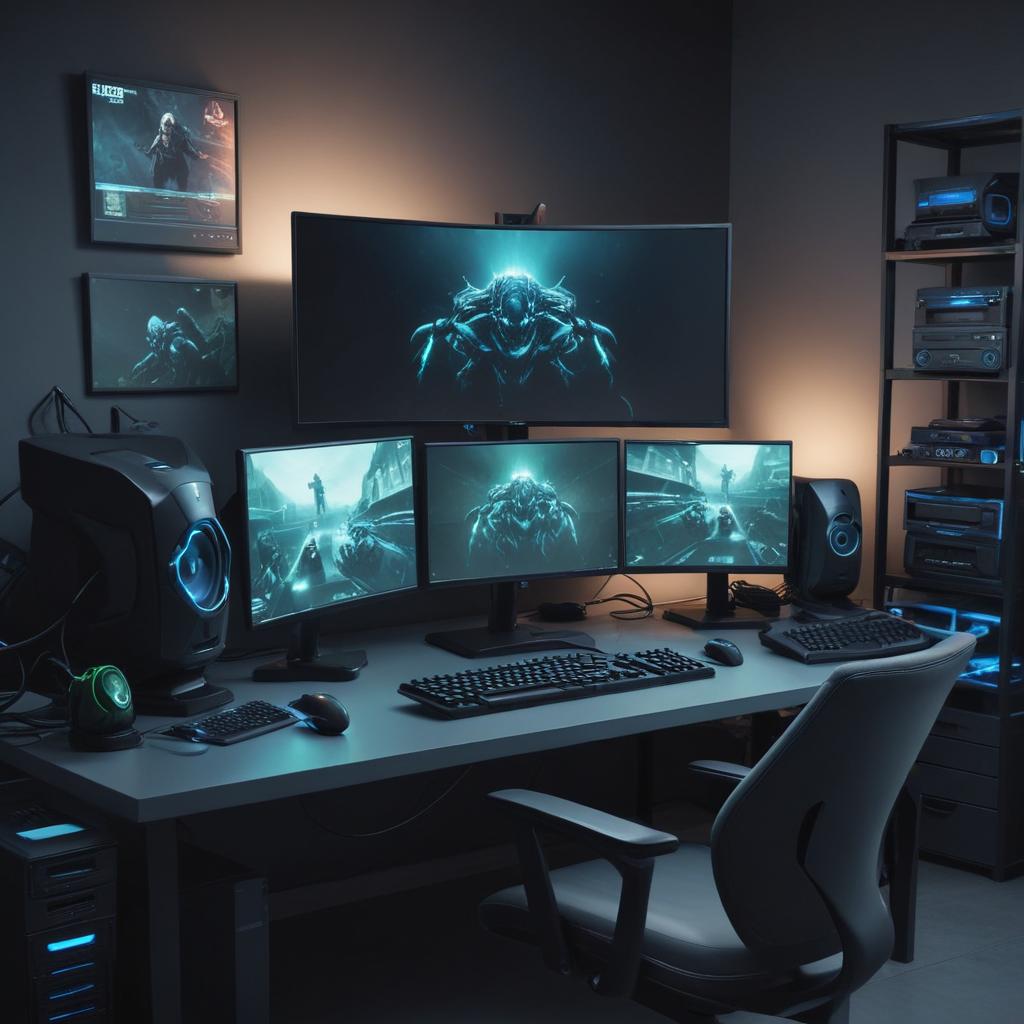
Introduction to PC Games
PC games, also known as computer games, refer to video games that are played on personal computers rather than on dedicated gaming consoles or arcade machines. These games encompass a wide variety of genres and styles, offering entertainment options that range from simple puzzles to highly complex simulations and immersive role-playing experiences. In the context of computer entertainment, PC games have evolved significantly, combining advanced graphics, intricate storylines, and online multiplayer capabilities to create rich interactive experiences for gamers worldwide.
Computer gaming, which includes PC games, is a popular form of digital amusement that leverages the processing power and versatility of personal computers. Unlike console gaming, PC games often offer greater customization options, including the ability to upgrade hardware, modify game settings, and use custom mods created by the gaming community. This flexibility makes PC gaming appealing to both casual players and hardcore enthusiasts who seek to enhance their gaming experiences.
At its core, PC gaming is about interactive entertainment where users engage with digital worlds through their computers. Video games on PCs are developed using various programming and graphic design techniques, resulting in titles that range from single-player adventures to expansive online universes. Games can be downloaded digitally or purchased in physical formats, accessible through platforms such as Steam, Epic Games Store, and others that facilitate the distribution and management of PC games.
The introduction of PC games into the entertainment industry marked a significant shift in how people consume and interact with video content. As a form of gaming introduction, PC games often serve as an entry point for many players who then explore other gaming forms. Their accessibility on standard personal computers has democratized gaming, allowing a broad audience to participate in this vibrant and constantly evolving digital culture.
History of PC Gaming
The history of PC games traces back to the early days of computing, where simple text-based games and basic graphics laid the foundation for an expansive form of entertainment. In the 1970s and 1980s, games like “Wolfenstein 3D” and “Doom” pushed the limits of hardware capabilities, marking significant milestones in the evolution of PC gaming. These pioneering titles introduced players to immersive experiences and fast-paced gameplay that could be enjoyed from the comfort of their homes.
As technology advanced, the gaming industry witnessed rapid growth driven by improvements in graphics, processing power, and internet connectivity. The 1990s and early 2000s saw the rise of genres such as real-time strategy, first-person shooters, and massively multiplayer online games, each contributing to shaping the modern landscape. Titles like “StarCraft” and “World of Warcraft” showcased how PC games evolved into complex, community-focused platforms.
Today, the evolution of PC gaming continues with cutting-edge advancements such as virtual reality, ray tracing, and cloud gaming, which enhance realism and accessibility. Gaming milestones are regularly reached with new releases and hardware innovations that keep pushing the boundaries. From humble beginnings to complex digital ecosystems, the history of PC gaming is a testament to constant innovation and cultural impact.
Types of PC Games
PC games encompass a diverse range of game genres, catering to various player preferences and interests. Among the most popular PC game types are First-Person Shooters (FPS), Role-Playing Games (RPG), strategy games, and simulation games, each offering unique gameplay experiences.
FPS games are characterized by a first-person perspective where players engage in combat using firearms and other weapons. This genre is known for its fast-paced action and requires quick reflexes and strategic thinking. Popular PC games in this category include titles like “Counter-Strike” and “Call of Duty.”
RPGs offer immersive storytelling, character development, and exploration. Players take on the roles of characters in fantastical or realistic settings, often completing quests and leveling up their abilities. Examples of notable RPG PC game types include “The Witcher” series and “Skyrim.”
Strategy games challenge players to plan and manage resources, armies, or civilizations to achieve specific goals. These games often require critical thinking and long-term planning. Popular titles include “StarCraft” and “Civilization.”
Simulation games replicate real-world activities or systems, allowing players to experience scenarios ranging from flying planes to building cities. This genre appeals to those who enjoy detailed and realistic gameplay. Well-known simulation PC games include “The Sims” and “Flight Simulator.”
Overall, these game genres highlight the versatility and depth of PC gaming, offering something for every type of player and making popular PC games a broad and exciting landscape.
Features and Benefits of PC Games
PC games are distinguished by a variety of unique features that set them apart from other gaming platforms, providing gamers with an unparalleled experience. One of the most notable PC game features is the exceptional hardware customization available. Players can upgrade their graphics cards, processors, and RAM to optimize performance and enjoy cutting-edge visuals and smoother gameplay, which is often superior to what consoles can offer.
Another key advantage is the expansive game library accessible on PCs, which includes not only the latest releases but also a vast collection of indie titles and classic games. This diversity caters to many different tastes and preferences, offering a broader range of gaming options compared to other platforms. Furthermore, PC gaming supports multiple input methods including keyboard and mouse, controllers, and specialized peripherals, giving players precise control and adaptability for different game genres.
When it comes to gaming advantages, PC games offer superior modding capabilities. Many games on PC allow users to create and install modifications, enhancing replay value and personalization. This community-driven content often extends the life of games well beyond their original release. Additionally, PC gamers benefit from regular updates and patches that can be deployed swiftly to improve gameplay, fix bugs, or add new features, maintaining an optimal gaming environment.
Moreover, the online multiplayer experience typically excels on PC, with dedicated servers, expansive matchmaking options, and the ability to communicate via third-party platforms. This social aspect enhances player interaction and competition. Technological innovations such as VR support and ultra-wide monitors are more readily integrated into PC setups, providing immersive and cutting-edge experiences that other platforms may lack.
In terms of computer gaming benefits, affordability and flexibility stand out. While the upfront cost of PC gaming hardware may be higher, games themselves are often available at lower prices through digital distribution platforms and frequent sales. PCs are also multi-functional devices, serving both as gaming machines and tools for work, creativity, and entertainment, making them a versatile investment.
Overall, the combination of customizable hardware, a diverse game library, modding support, advanced multiplayer features, and the broad usage scope makes PC gaming an attractive choice for many players seeking quality and value. These PC game features and benefits provide a compelling argument for why computer gaming remains a dominant force in the industry.
Graphics and Performance
PC gaming quality is significantly enhanced by the ability to support high graphics and superior game performance. Unlike many other gaming platforms, PCs benefit from advanced hardware components such as powerful graphics cards, faster processors, and increased memory capacity. These elements allow PC games to run with stunning visual fidelity, delivering sharp textures, realistic lighting, and complex effects that create immersive environments. The flexibility to upgrade hardware means gamers can continually improve their system to meet the demands of the latest titles.
High graphics settings on PCs enable gamers to enjoy games with detailed character models, expansive worlds, and smooth animations, which are crucial for an engaging gaming experience. Moreover, game performance on PCs is optimized through customizable settings that balance visual quality and frame rates, ensuring smooth gameplay without lag or stutter. This adaptability distinguishes PC games from other gaming platforms, as it caters to a variety of preferences and hardware capabilities.
Overall, the combination of advanced hardware and the ability to fine-tune settings ensures that PC gaming quality remains at the forefront. This unmatched performance capacity allows players to experience games as the developers intended, making PC games highly sought after for their graphical excellence and reliable performance.
Customization and Mods
One of the unique advantages of PC games is the extensive ability for game customization and the use of mods. Unlike many other gaming platforms, PCs empower players to tailor their gaming experience to an extraordinary degree. Game customization on PCs can range from simple in-game settings adjustments to more complex modifications that alter gameplay mechanics, visuals, and even story elements.
Mods, short for modifications, are user-created content that can be installed to enhance or completely change the way a game looks and plays. These can include anything from new characters, weapons, and maps to entirely new quests or game modes. The vibrant game modding community plays a crucial role in this ecosystem, constantly developing and sharing innovative mods that further enrich the player experience.
This dynamic environment enables gamers to keep their favorite titles fresh and exciting long after the initial release. The process of installing mods on PC games is typically accessible and supported by many developers, encouraging creativity and collaboration among players. Ultimately, game customization and mods transform PC gaming into a highly personalized and evolving hobby, setting it apart from other gaming formats.
Getting Started with PC Games
Starting with PC games can be an exciting journey, but it requires understanding a few key aspects of the PC gaming setup to ensure a smooth experience. Whether you are a complete beginner or transitioning from other gaming platforms, knowing the gaming requirements will help you get off to a great start. Let’s explore the practical steps you need to take to start PC gaming effectively.
First and foremost, you will need a computer that meets the basic hardware requirements for PC gaming. This typically includes a decent processor (CPU), sufficient RAM (at least 8 GB is recommended), a dedicated graphics card (GPU), and enough storage space, preferably on a solid-state drive (SSD) for quicker loading times. The exact specs can vary depending on the types of games you want to play, so researching the recommended specifications for your favorite titles is a good idea.
Setting up your PC properly means also paying attention to peripherals. A reliable gaming mouse and keyboard can significantly improve your gameplay, especially for competitive or fast-paced games. Additionally, consider a good quality monitor with a high refresh rate and low response time for the best visual experience. Don’t forget a comfortable chair and desk setup for long gaming sessions.
On the software side, starting with PC gaming requires you to have a stable operating system, most commonly Windows, which supports the majority of games. You will also need to install digital game distribution platforms such as Steam, Epic Games Store, or others depending on where your games are purchased. These platforms manage your game library, updates, and sometimes social features for multiplayer gaming.
Once your hardware and software are set, familiarize yourself with basic maintenance and optimization tips. Keep your drivers updated, especially the graphics drivers, to avoid performance issues. Regularly clean your PC to prevent overheating, and consider using game optimization tools or settings within games to adjust graphics quality according to your hardware capabilities for the smoothest performance.
Lastly, start with games that match your interest and skill level. Many games offer tutorials or beginner modes that help ease you into the mechanics. Engage with gaming communities online for tips, support, and recommendations. With the right PC gaming setup and approach, you will be ready to enjoy a vast world of gaming opportunities.
System Requirements
To run PC games smoothly, understanding the system requirements is crucial. These requirements typically include both hardware and software specifications necessary to ensure game compatibility and optimal performance. The most important PC specs to consider are the processor (CPU), graphics card (GPU), memory (RAM), and storage space.
A powerful CPU with multiple cores can handle game physics and AI calculations faster, while a high-performing GPU is essential for rendering graphics and providing a seamless visual experience. Most modern games demand at least 8GB of RAM, but 16GB or more is recommended for better multitasking and future-proofing. Additionally, high-speed storage such as SSDs significantly reduces load times and improves overall game responsiveness.
On the software side, the operating system must be compatible, with Windows 10 or later versions being the most common requirement. Updated drivers for hardware components, especially the graphics card, are vital to avoid performance issues and crashes. Meeting these hardware requirements and keeping software up to date ensures that games run smoothly without lag or glitches, providing an immersive gaming experience.
In summary, checking PC specs like the CPU, GPU, RAM, and storage, alongside maintaining current software and drivers, guarantees the best game compatibility and overall performance needed for enjoying PC games.
Popular Gaming Platforms and Stores
When it comes to purchasing or downloading PC games, several popular digital platforms and stores dominate the market. Among these, Steam and the Epic Games Store stand out as two of the most widely used game platforms, offering vast libraries and regular sales that attract millions of players worldwide. Steam, developed by Valve, is renowned for its extensive catalog of titles ranging from indie gems to blockbuster hits, coupled with community features such as user reviews, workshops, and multiplayer support.
The Epic Games Store has quickly gained prominence by offering exclusive titles and generous revenue sharing to developers, making it a favorite for both gamers and creators. Beyond these, there are other platforms like GOG Galaxy, which emphasizes DRM-free games, and Origin from Electronic Arts, which hosts popular franchises. These stores simplify the purchasing process and provide a reliable, safe environment for acquiring games, along with additional content such as downloadable content (DLC), expansions, and in-game items.
Choosing the right game platform often depends on personal preferences for user interface, exclusive content, or community features. Regardless, platforms like Steam and the Epic Games Store have transformed the way PC gamers access titles, making it easier than ever to find, buy, and enjoy games all in one place.

I’ve been playing video games since I got my first console at age five, and I love sharing insights about the industry. Writing about game design, indie gems, and the latest releases keeps me excited about the future of gaming.