

Understanding esports basics starts with recognizing that competitive gaming is not a single monolith but a collection of distinct ecosystems each built around a specific title. A match in a tactical shooter like Valorant unfolds with round-based economy management and precise aim duels while a MOBA such as League of Legends revolves around macro map control and team composition scaling over thirty to forty minutes. Fighting games compress the action into best-of-three sets lasting ninety seconds per round demanding frame-perfect execution and psychological reads. Real-time strategy titles like StarCraft II reward multitasking across multiple bases with actions per minute often exceeding three hundred at the professional level. Each genre therefore dictates its own competitive structure from tournament format to spectator experience and aspiring players must choose a path that aligns with their mechanical strengths and strategic preferences.
Genre Foundations and Competitive Design
Game developers engineer competitive integrity directly into core mechanics and the differences are stark across genres. Tactical shooters enforce a one-life-per-round rule that amplifies the value of information gathering and forces teams to play methodically around spike plants or bomb sites. MOBAs bake asymmetry into the draft phase where picking or banning five champions per side creates a strategic sub-game before the match even loads. Fighting games rely on a rock-paper-scissors triangle of strike throw block that remains readable at sixty frames per second allowing commentators to explain mind games to viewers in real time. Battle royales introduce a shrinking safe zone that naturally funnels up to one hundred participants into a final circle creating emergent narratives without developer scripting. These design pillars determine whether a title thrives as a five-versus-five league a one-versus-one bracket or a large-scale survival event.
Balance patches arrive on cadences that shape the competitive calendar in measurable ways. Riot Games pushes League of Legends updates every two weeks during the regular season forcing teams to adapt draft priorities on a near constant basis. Valve takes a slower approach with Counter-Strike 2 major updates landing quarterly which lets deep counter-strategies mature over months. Fighting game developers often release a single balance patch per quarter followed by a major version update annually aligning with the Evo tournament cycle. Players who track patch notes gain a tangible edge because a five percent damage nerf to a meta-defining weapon can shift pick rates by twenty percent overnight. Understanding the patch rhythm of your chosen title is as important as mastering its mechanics.
Tournament Formats and Competitive Calendars
League-based circuits such as the League of Legends Championship Series or the Overwatch League operate on a home-and-away or centralized studio model with weekly matches spanning a spring split and a summer split culminating in a world championship. This structure guarantees each franchise a minimum number of games creating stable revenue from sponsorships and media rights while giving fans a predictable viewing schedule. In contrast open-circuit titles like Counter-Strike 2 rely on a tournament organizer ecosystem where ESL DreamHack BLAST and PGL host events of varying tiers throughout the year. Teams earn ranking points that seed them into majors but a bad month can drop a roster from a premier event to a qualifier. The open model rewards peak performance at specific moments while the league model rewards consistency across a season.
Bracket design further differentiates the viewer and player experience. Double elimination remains the gold standard for fighting games and many shooter events because it allows a team to lose once and still win the tournament through the lower bracket often producing dramatic comeback narratives. Single elimination with best-of-three quarterfinals shifting to best-of-five semifinals and a best-of-five final is common in MOBA playoffs where match length variance makes double elimination impractical. Swiss-system group stages have migrated from Counter-Strike majors into Valorant and Rocket League events giving every participant five rounds before a cut to top eight. Each format stresses different skills Swiss rewards adaptability across varied opponents while double elimination tests mental resilience after an early loss.
Team Structures and Organizational Tiers
Franchised leagues enforce salary floors and revenue sharing creating a baseline of player compensation that often exceeds three hundred thousand dollars annually for starters in top tier leagues. Organizations in these systems employ full coaching staffs including head coaches strategic coaches analysts mental performance coaches and physical trainers mirroring traditional sports infrastructure. Academy rosters compete in secondary leagues providing a development pipeline where prospects scrimmage against main rosters under the same brand. In open-circuit scenes player salaries vary wildly a tier-one Counter-Strike roster might command a collective two million dollar buyout while a tier-three mix team survives on prize money splits and peripheral sponsorships. The financial gap dictates practice conditions tier-one houses provide chef-prepared meals and ergonomic setups while lower tier squads often practice from home juggling jobs or university.
On the Microlearning Daily channel, they explain how competitive gaming works, and you can watch it right here.
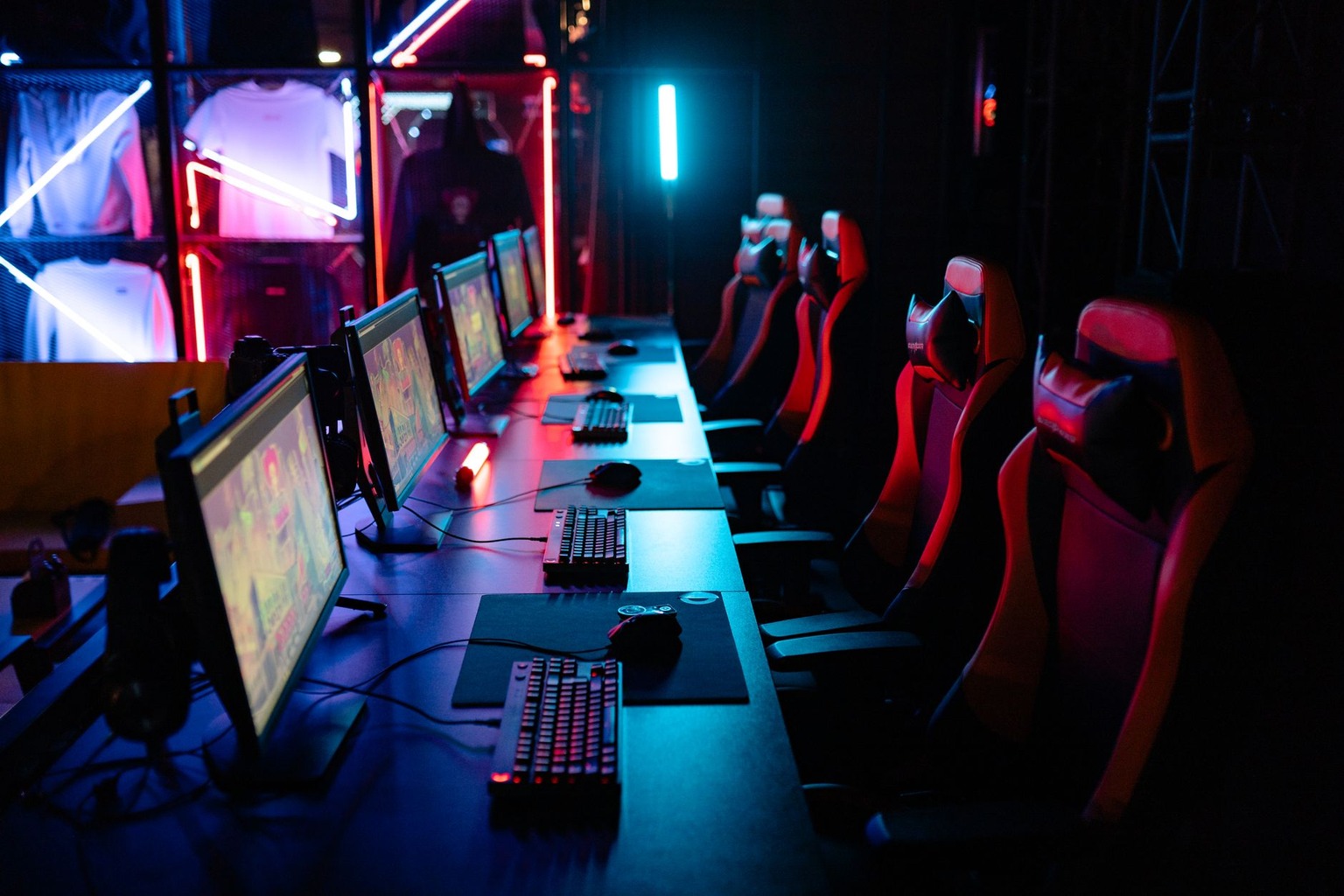
Roster construction follows distinct philosophies depending on the game. MOBA teams lock five starters plus one or two substitutes for an entire split because role specialization and draft flexibility require deep champion pools. Shooter organizations frequently run six-man rosters rotating players map by map to exploit specific agent or weapon proficiencies. Fighting game sponsors typically sign individual athletes rather than teams though some organizations field a small stable of players across Street Fighter Tekken and Guilty Gear. Contract lengths also differ franchised leagues mandate minimum one-year deals with mutual options while open circuit contracts can be as short as a single event trial. These structural choices cascade into how organizations scout talent negotiate transfers and build fan identities.
Broadcast Production and Spectator Experience
Production value has become a key differentiator in attracting casual viewers who may not understand high-level mechanics. League of Legends broadcasts feature a dedicated observer team controlling a free camera that follows jungle pathing vision control and wave states while casters narrate macro strategy. Counter-Strike streams rely heavily on a director cutting between player POVs X-ray vision and tactical map overlays to convey economy rounds and execute timings. Fighting game events keep it intimate with a single static camera focused on the stage two monitors and the players’ hands allowing the audience to see joystick inputs and facial reactions. Rocket League broadcasts blend a ball-cam with aerial car-cams creating a unique vertical perspective that highlights mechanical precision. Each production style teaches viewers a different literacy of what to watch.
Data integration separates modern broadcasts from early Twitch streams. Real-time gold graphs damage charts heat maps and win probability models update every second giving analysts concrete evidence for their narratives. Valorant broadcasts display agent ultimate economy trackers and spike plant timers directly on the HUD so new viewers can parse round states without caster explanation. Overwatch League pioneered a first-person spectator mode that lets fans switch to any player perspective on a delay creating a personalized viewing layer. These tools raise the floor for casual comprehension while raising the ceiling for analytical depth. Tournament organizers who invest in custom overlay APIs tend to retain higher concurrent viewership across multi-hour event days.
Pathways from Amateur to Professional
The ranked ladder serves as the primary scouting ground across almost every major title. In League of Legends reaching Challenger on a major server places a player in the top zero point zero one percent and triggers automatic visibility to academy scouts who monitor op.gg leaderboards daily. Valorant Radiant players often receive trial invitations from tier-two organizations after posting consistent high average combat scores across fifty plus games. Counter-Strike relies heavily on Faceit Pro League and ESEA Advanced where players compete in structured ten-man lobbies with anti-cheat clients providing verified demos for team managers to review. Fighting game hopefuls grind online ranked to qualify for offline majors where a deep bracket run against known pros can earn a sponsor invitation overnight. Each ladder has its own unwritten rules about sportsmanship smurfing and queue dodging that can make or break a reputation before a contract offer arrives.
Amateur tournaments and collegiate leagues form a critical secondary tier. The North American Collegiate League for League of Legends offers scholarship money and a direct pipeline to academy rosters while the Collegiate StarLeague covers Counter-Strike Valorant and Rocket League with regional LAN finals. Community-run circuits like the Fighting Game Community weekly events or the ESEA Open division let unproven teams test strategies in a low-stakes environment before committing to a full season. Many current professionals credit a specific underdog run in a two-thousand-dollar prize pool online cup as the moment an analyst clipped their highlight and forwarded it to a head coach. Consistent participation in these ecosystems builds a portfolio of VODs stats and references that functions like a resume in traditional employment.
Economics Prize Pools and Revenue Streams
Prize pool distribution reveals the power dynamics between developers organizers and players. The International in Dota 2 famously crowdfunds its prize pool through battle pass sales regularly exceeding forty million dollars with the winning team claiming roughly forty-five percent. In contrast League of Legends Worlds offers a fixed developer-funded pool around two million dollars but guarantees each participating region a stipend that funds operations year-round. Counter-Strike majors feature a one million dollar Valve-sponsored pot supplemented by sticker revenue shares that can double a team’s take if their logo sells well. Fighting game majors typically cap at two hundred fifty thousand dollars total relying on entry fees and community pots. These structures influence whether organizations prioritize peak performance at one event or consistent qualification across a circuit.

Non-prize revenue now dwarfs winnings for top organizations. Media rights deals for franchised leagues can exceed twenty million dollars annually per slot while jersey sponsorships from automotive tech and energy brands command seven-figure sums. Merchandise drops timed to playoff runs generate high-margin direct-to-fan income. Content creation budgets allow players to stream on contracted platforms earning subscriber revenue that supplements base salary. Some organizations have diversified into game publishing hardware peripherals and even energy drinks creating vertical integration that insulates them from a single title’s decline. Understanding these revenue levers explains why a team might bench a star player for brand fit or why a league expands into a new region before the competitive infrastructure is fully mature.
Integrity Anti-Cheat and Competitive Governance
Kernel-level anti-cheat drivers such as Vanguard for Valorant and VAC Live for Counter-Strike 2 run with system privileges that scan memory integrity in real time blocking injection-based cheats before they execute. These systems have reduced blatant aimbot usage in ranked to near zero but sophisticated hardware cheats using DMA cards or second PCs remain a cat-and-mouse game. Tournament organizers supplement client-side protection with LAN protocols that include hardware verification monitored warm-up stations and isolated network segments preventing any external communication. Admins also enforce peripheral checks ensuring no macros reside on mouse firmware or keyboard onboard memory. The arms race between cheat developers and security teams consumes significant engineering budgets but maintains the trust that underpins sponsorship value.
Match-fixing sanctions have escalated from lifetime bans to criminal prosecution in multiple jurisdictions. The 2015 iBuyPower scandal in Counter-Strike resulted in permanent Valve bans for seven players while South Korean authorities sentenced StarCraft II fixers to prison terms and fines. Modern governance bodies like the Esports Integrity Commission coordinate across titles sharing intelligence on suspicious betting patterns detected by licensed sportsbooks. Player associations are emerging to negotiate standardized contracts due process for disciplinary actions and revenue sharing transparency. As prize pools and betting handle grow the regulatory framework will increasingly resemble traditional sports commissions with independent tribunals and appeal mechanisms. Players and organizations that treat integrity compliance as a core operational pillar avoid the reputational catastrophes that have dissolved multi-million dollar rosters overnight.

I’ve been playing video games since I got my first console at age five, and I love sharing insights about the industry. Writing about game design, indie gems, and the latest releases keeps me excited about the future of gaming.