Essential Hardware for Competitive PC Gaming
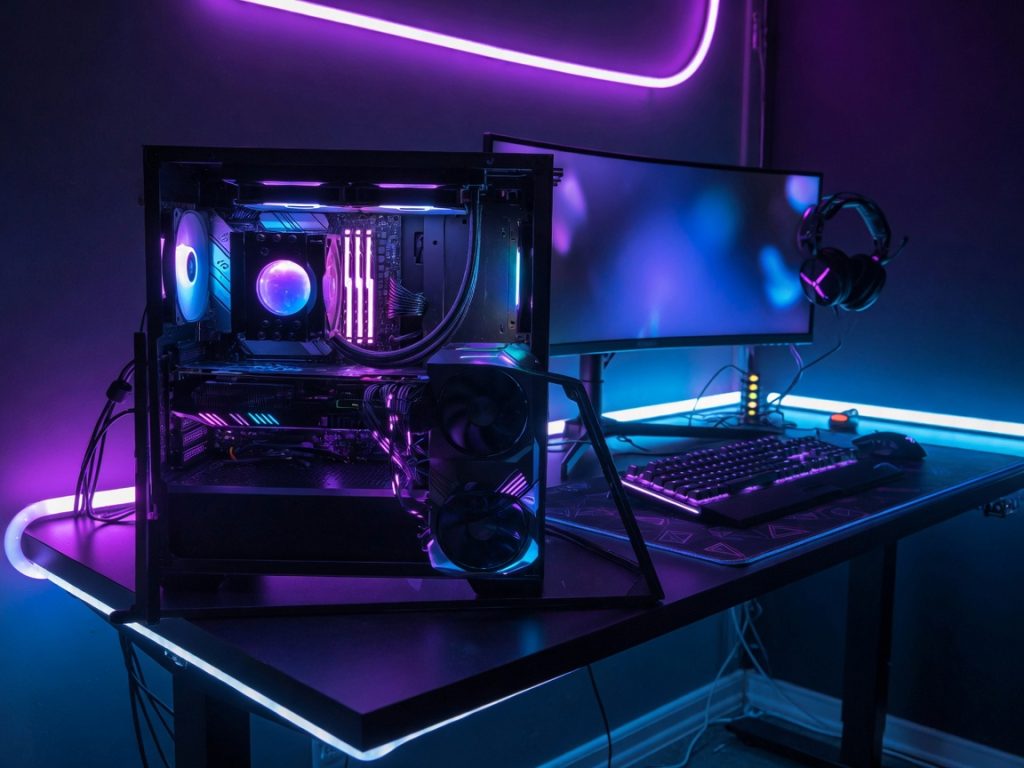
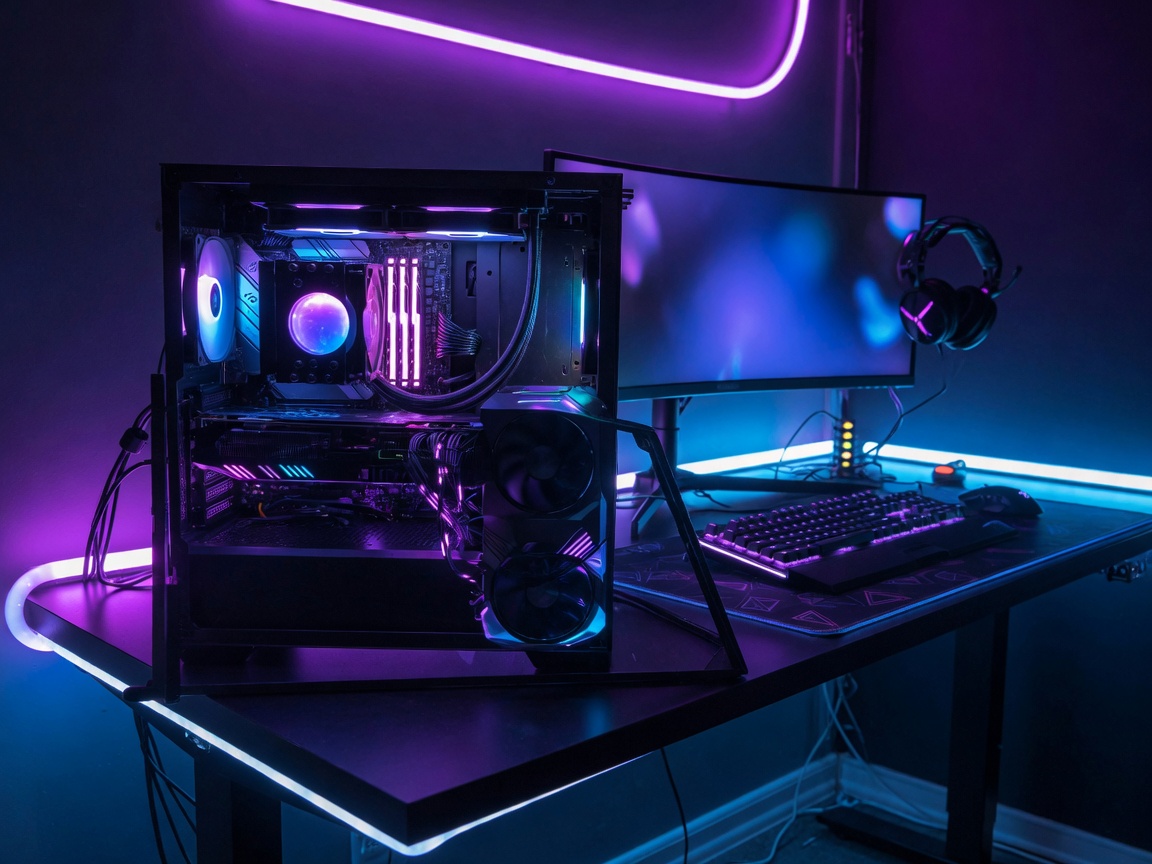
To excel in competitive PC gaming, selecting the right competitive pc hardware is crucial for any serious esports setup. High-performance gaming pc builds rely on components that maximize frame rates and minimize input lag, ensuring players can react swiftly in fast-paced environments.
The CPU serves as the brain of your system. For competitive play, opt for processors like Intel Core i5 or AMD Ryzen 5 series, which offer excellent single-core performance. Budget options start around $200, while performance builds may invest up to $500 for higher clock speeds that support high fps components effectively.
Next, the GPU is vital for rendering graphics at high speeds. NVIDIA RTX 3060 or AMD RX 6700 XT provide the necessary power for esports titles. These cards help achieve over 144 FPS consistently across popular games. Entry-level recommendations fit within $300 budgets, scaling to $800 for top-tier performance in demanding scenarios.
RAM plays a key role in multitasking and quick data access. Aim for at least 16GB of DDR4 or DDR5 memory at 3200MHz or higher. This ensures smooth operation in gaming pc builds without bottlenecks that could hinder responsiveness. Budget RAM kits cost about $50, whereas premium low-latency modules reach $150 for enthusiasts.
An SSD is essential for fast boot times and game loading. NVMe SSDs with 1TB capacity reduce latency significantly compared to traditional hard drives. Competitive players benefit from these high-speed storage solutions in their setups. Budget choices are around $80, with performance options up to $200 offering superior endurance and speeds.
Finally, monitors with high refresh rates are non-negotiable for an immersive experience. Look for 144Hz or 240Hz displays with 1ms response times and adaptive sync technologies. These deliver the low latency needed for precise aiming in your esports setup. Budget monitors start at $150, while high-end options exceed $500 for professional-grade quality.
By balancing these components, players can build a system optimized for victory using the best competitive pc hardware available today.
Optimizing Windows and Game Settings
To achieve strong pc optimization for ranked matches, begin by configuring Windows power plans. Open Control Panel and select Power Options, then switch to the High Performance plan. This setting keeps your CPU and GPU running at maximum clocks without unnecessary throttling during intense gameplay sessions.
Next, update your graphics drivers using the latest versions from NVIDIA or AMD. Choose a clean installation option to remove outdated configurations. Fresh drivers deliver an fps boost by improving rendering efficiency and reducing stuttering that can occur with legacy files.
Fine-tune in-game options to prioritize performance. Lower texture quality, shadows, and anti-aliasing while disabling VSync and motion blur. These targeted game settings changes produce higher frame rates and noticeably lower input lag, allowing quicker reactions in competitive scenarios.
Reduce background processes before launching titles. Use Task Manager to close browsers, overlays, and chat apps, then disable startup items on the Startup tab. This frees RAM and CPU cycles, supporting both an fps boost and consistently low input lag throughout matches.
Enable Windows Game Mode in Settings under Gaming to allocate additional resources to your active title. Combine this with disabling fullscreen optimizations in the game executable properties for further stability. These steps complete a reliable pc optimization routine focused on frame rates and minimal distractions.
Choosing Competitive Gaming Peripherals
Selecting the right esports peripherals is essential for any player aiming to reach peak performance in competitive PC gaming. The foundation of success often starts with a high-quality gaming mouse featuring advanced sensors that deliver precise tracking and customizable DPI settings. These mice allow pros to execute rapid movements with pinpoint accuracy, reducing input lag and enhancing control during intense matches.
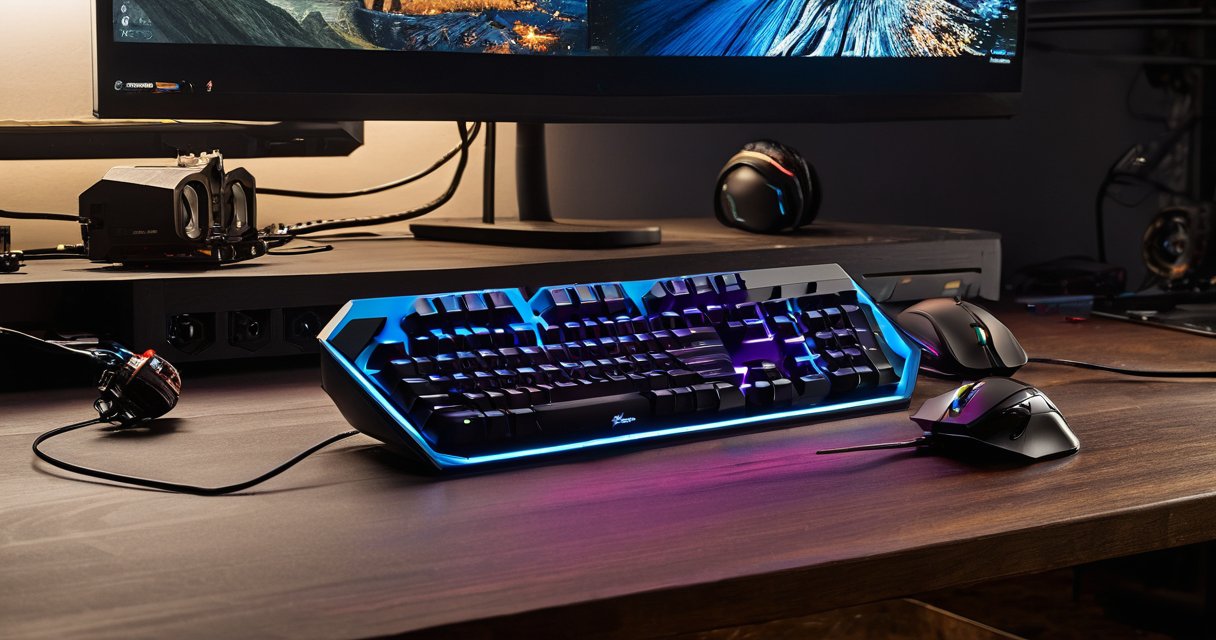
Equally important is a mechanical keyboard designed for low-latency response times. Gamers rely on these durable keyboards for tactile feedback and rapid key registration, which can make the difference in fast-paced scenarios. When paired with a gaming mouse, the combination creates a seamless setup that supports consistent, high-level play without unnecessary distractions or delays.
A top-tier gaming monitor with high refresh rates further elevates the experience by providing smooth visuals and reduced motion blur. Professionals depend on these displays to maintain clarity during rapid action, ensuring every frame contributes to better decision-making. Together with a mechanical keyboard and gaming mouse, such monitors form the core of any optimized rig.
Beyond core input devices, headsets with clear audio complete the setup by delivering immersive sound and crisp communication. Esports peripherals like these are chosen for their precision and comfort, helping players stay focused through long sessions. Investing in quality components ensures reliability and supports the daily demands of competitive environments.
Overall, thoughtful selection of a gaming mouse, mechanical keyboard, and gaming monitor creates an edge in esports. These tools prioritize performance attributes such as high DPI sensors and high-refresh capabilities, allowing athletes to train and compete effectively. By focusing on comfort and technical excellence, gamers build setups that withstand rigorous use while maximizing potential.
Building a Competitive Mindset
In competitive PC gaming, cultivating an esports mindset sets the foundation for long-term success. Serious players begin by establishing specific goals, such as improving aim accuracy or mastering map strategies, which provide direction and motivation during training. These objectives help maintain gaming focus throughout rigorous practice regimens, distinguishing dedicated competitors from those who play casually.
Handling losses effectively requires a shift in perspective rooted in competitive psychology. Instead of becoming discouraged after a tough defeat, top gamers review replays to identify errors and adjust their approaches accordingly. This analytical method transforms setbacks into valuable lessons, fostering resilience and continuous improvement essential for climbing competitive ladders and sustaining motivation over months of play.
Maintaining composure under pressure is a hallmark of elite performers. In high-intensity scenarios, sustaining gaming focus allows players to make calculated decisions without succumbing to stress. Breathing exercises, mental resets, and visualization of successful plays are common tools that help preserve clarity when facing formidable opponents or critical moments in matches, ensuring consistent execution even in overtime rounds.
Tilt control plays a pivotal role in managing emotional responses during gameplay. By recognizing signs of frustration early, competitors can implement strategies like short breaks or positive affirmations to regain equilibrium. Such techniques prevent impulsive actions that derail performance and ensure consistent execution of planned tactics across extended sessions.
Developing personalized routines further separates serious competitors from casual ones. Morning visualization sessions, post-match reflections, and consistent sleep schedules contribute to a stable mental state. Integrating these elements strengthens overall esports mindset and enhances gaming focus over time, creating habits that support peak performance in tournaments and ranked play alike.
Through deliberate practice of goal setting, adept handling of losses, unwavering composure, and effective tilt control, players build a robust competitive psychology that propels them forward in the evolving landscape of PC esports.
Effective Practice and Improvement Plans
To excel in competitive PC gaming, players must adopt structured practice routines that drive skill development. These plans integrate various methods to build a solid foundation for success in high-stakes environments. Without a clear plan, random play often leads to stagnation rather than growth. Establishing goals helps maintain focus throughout the training process.
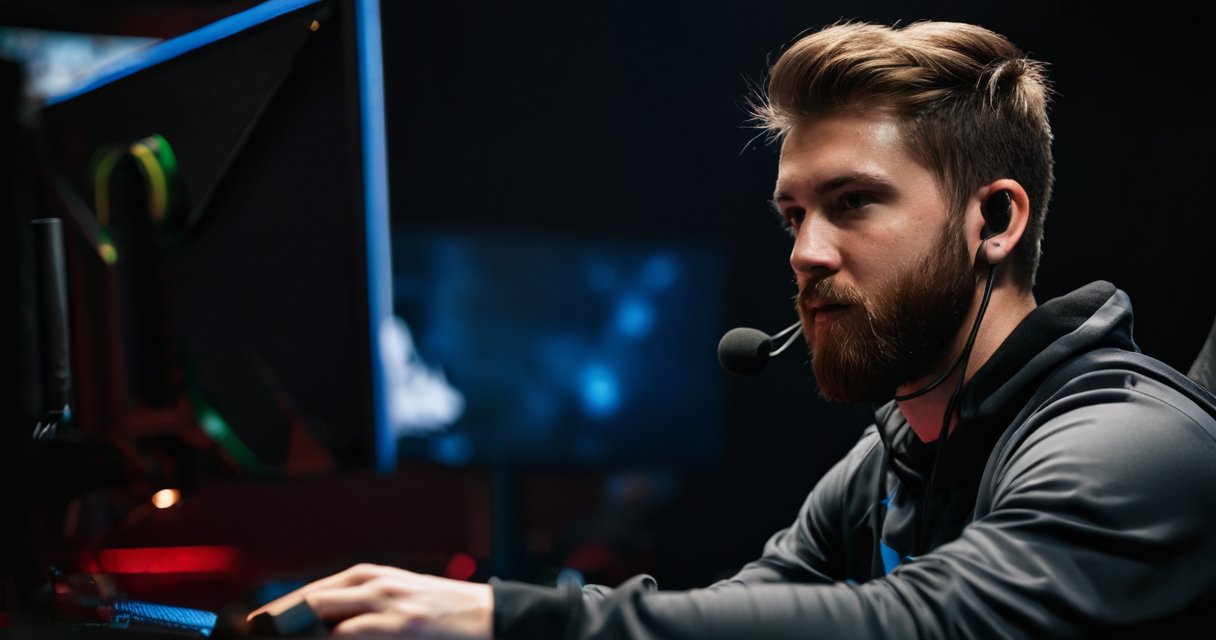
Aim training stands out as a vital component. By using specialized aim trainers, gamers can enhance their precision and speed through targeted exercises. Consistent sessions in these programs lead to noticeable gains in aiming accuracy during actual matches. Experiment with different difficulty levels to challenge yourself progressively and avoid plateaus.
Warm-up drills are essential to kickstart each practice or play session effectively. Simple routines like circle tracking or grid shots in aim trainers get players ready and minimize initial mistakes. Make these drills a habit to ensure peak performance from the first round of every game.
Game review via VOD techniques allows for deep analysis of past performances. Players should record their games and examine key moments to identify errors in movement, aiming, and tactics, turning weaknesses into strengths. Focus on both individual plays and team coordination if applicable to your game.
Tracking progress is crucial for motivation and direction. Maintain logs of daily metrics from aim training and match outcomes to visualize improvement and refine practice routines over time. This data-driven approach helps consistently climb competitive ladders by focusing efforts where they matter most. Set specific milestones to keep the journey engaging and rewarding.
Combining these strategies creates a powerful improvement plan. Allocate time each day for aim training, incorporate regular game review, perform warm-up drills, and review tracked data weekly. Such dedication ensures sustained skill development and better competitive results. Adapt the plan based on personal needs and game specifics for optimal outcomes.

I’ve been playing video games since I got my first console at age five, and I love sharing insights about the industry. Writing about game design, indie gems, and the latest releases keeps me excited about the future of gaming.