

Esports has rapidly evolved from a niche hobby to a mainstream phenomenon, captivating millions around the globe. As competitive gaming gains traction, understanding the fundamentals of esports becomes crucial for both newcomers and seasoned fans. This article will delve into the basics of esports, exploring its structure, the various genres, and the mechanics that drive the competitive scene. From the role of teams and players to the importance of tournaments and streaming, we will cover what makes esports a unique and dynamic part of the gaming landscape.
Understanding Esports: A Brief History
Esports, short for electronic sports, refers to competitive video gaming where players or teams compete against each other in various games. The roots of esports can be traced back to the early 1970s, with simple competitions like the first known gaming tournament held at Stanford University in 1972. However, it wasn’t until the late 1990s and early 2000s that esports began to flourish, particularly with the rise of games like StarCraft and Counter-Strike. The advent of high-speed internet and streaming platforms like Twitch has further fueled its growth, allowing players to showcase their skills to a global audience.
Today, esports encompasses a wide range of genres, including first-person shooters (FPS), multiplayer online battle arenas (MOBA), real-time strategy (RTS), and sports simulators. Major titles such as League of Legends, Dota 2, and Fortnite have become household names, attracting millions of viewers and generating significant revenue through sponsorships, merchandise, and ticket sales for live events. This evolution has transformed gaming into a legitimate career path for many professional players, commentators, and content creators.
The Structure of Esports: Teams and Players
At the heart of esports are the players and teams that compete in various tournaments. Professional esports teams typically consist of five to six players, each specializing in different roles or characters within a game. These players undergo rigorous training, often practicing for several hours each day to hone their skills, develop strategies, and build team synergy. The best teams often have dedicated coaching staff, analysts, and psychologists to help them perform at their peak.
Players in esports are often scouted from the ranks of amateur competitions or online ladders. Once signed to a professional team, they may participate in a variety of leagues and tournaments that can range from local events to international championships. For instance, the League of Legends World Championship attracts teams from around the world, with the stakes often reaching into the millions of dollars. The competitive nature of esports drives players to continuously improve, with many dedicating their lives to mastering their craft.
Major Esports Genres and Their Characteristics
Esports covers a diverse array of genres, each with its unique characteristics and appeal. First-person shooters, such as Call of Duty and Counter-Strike, emphasize precision aiming and quick reflexes, requiring players to have a strong understanding of maps and weapon mechanics. Multiplayer online battle arenas like League of Legends and Dota 2 focus on strategy and teamwork, where players control individual characters with distinct abilities to outmaneuver and outsmart their opponents.
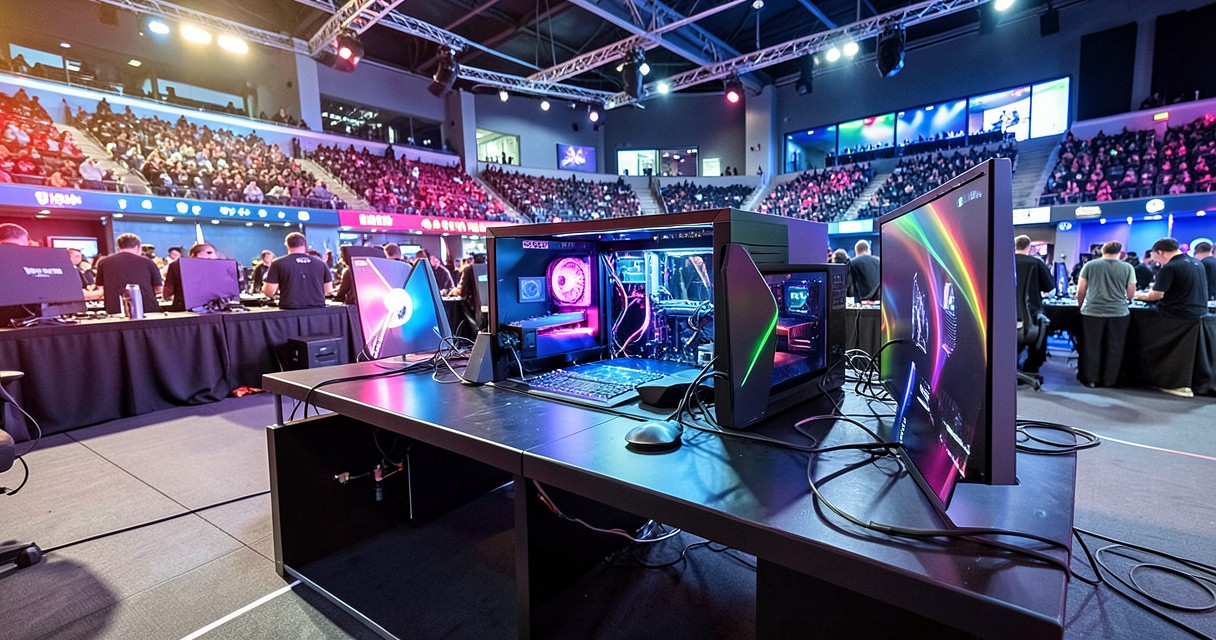
Real-time strategy games like StarCraft II demand exceptional resource management and tactical planning, as players must build their armies and outsmart their rivals in real time. Sports simulation games such as FIFA and NBA 2K provide a different experience, allowing players to replicate real-life sports but within a virtual setting. Each genre has its own competitive scene, complete with dedicated tournaments, fan bases, and unique gameplay mechanics that keep audiences engaged.
The Role of Tournaments and Leagues in Esports
Tournaments and leagues are the backbone of the esports ecosystem, providing structured competition for players and teams. Major tournaments often feature large prize pools, attracting top talent and massive audiences. Events like The International for Dota 2 and the League of Legends World Championship are prime examples of how tournaments can elevate the status of a game and its players. These events are often held in large arenas, further enhancing the spectator experience.
In addition to standalone tournaments, there are also professional leagues that operate on a regular schedule. Leagues such as the Overwatch League and the Call of Duty League feature franchised teams that compete in a season format, similar to traditional sports leagues. This structure allows for consistent competition and helps build rivalries, which are essential for maintaining fan interest and engagement. The combination of tournaments and leagues creates a vibrant ecosystem where players can showcase their skills and fans can follow their favorite teams throughout the year.
The Impact of Streaming and Content Creation
Streaming platforms like Twitch and YouTube have revolutionized how fans engage with esports. These platforms allow players to broadcast their gameplay live, interact with fans, and build large followings. Streamers often become central figures in the esports community, providing commentary, analysis, and entertainment that enrich the overall experience for viewers. As a result, many professional players also stream their gameplay, offering fans a glimpse into their training routines and personal lives.
Content creation extends beyond just live streaming. Many creators produce highlight reels, tutorials, and analysis videos that contribute to the education and entertainment of the esports audience. This content is crucial for attracting new fans and helping them understand the intricacies of competitive gaming. The synergy between streaming and esports not only enhances viewer engagement but also opens up additional revenue streams through subscriptions, sponsorships, and advertising.
Understanding the Business of Esports
The business side of esports is as complex as the games themselves. Revenue streams come from various sources, including sponsorships, merchandise sales, ticket sales for live events, and media rights. Major brands are increasingly investing in esports, seeing it as a lucrative avenue to reach younger audiences. Sponsorship deals can be immensely beneficial, providing teams with the financial support needed to compete at high levels.
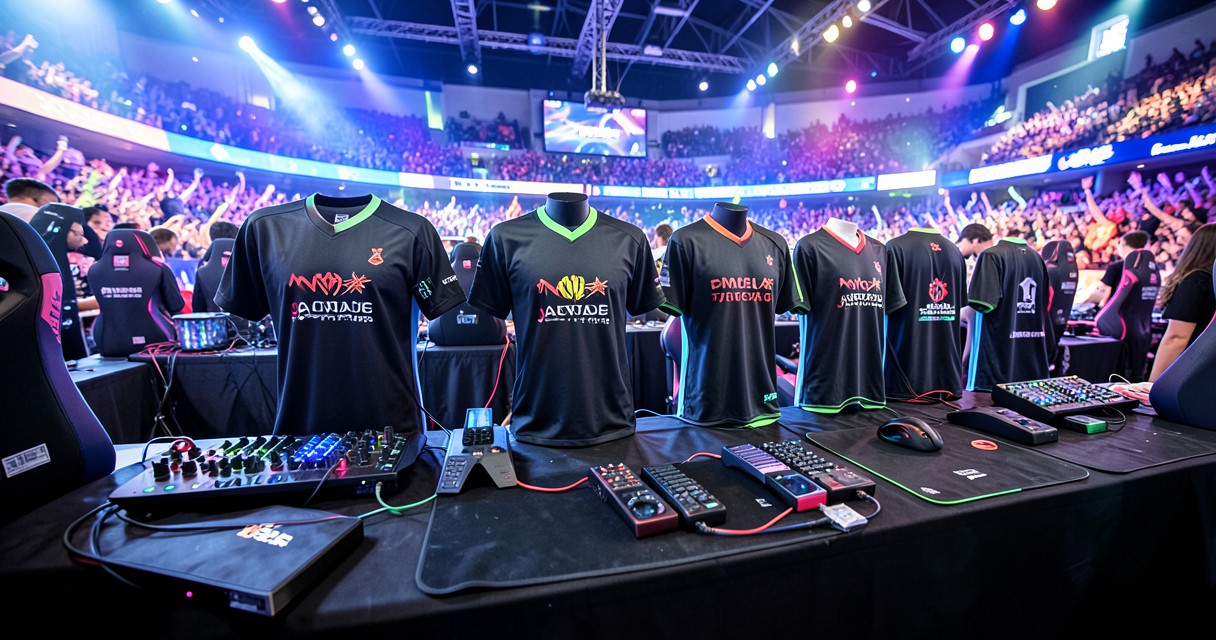
Additionally, esports organizations often capitalize on merchandise sales, selling team jerseys, gaming peripherals, and branded gear. The growth of esports has led to a surge in interest from media companies looking to broadcast tournaments and leagues, further legitimizing esports as a mainstream entertainment option. As the industry continues to expand, it is essential for stakeholders to navigate these business dynamics to ensure long-term sustainability and growth.
The Future of Esports: Trends and Innovations
The future of esports appears bright, with several trends poised to shape its evolution. One significant trend is the increasing integration of virtual reality (VR) and augmented reality (AR) technologies into gaming experiences. These innovations could enhance gameplay and spectator experiences, allowing fans to immerse themselves in the action like never before. Additionally, the rise of mobile gaming is expanding the reach of esports, with titles like PUBG Mobile and Arena of Valor gaining popularity in competitive circles.
Another key trend is the growing emphasis on inclusivity and diversity within esports. Organizations are recognizing the importance of creating welcoming environments for players of all backgrounds, genders, and skill levels. Initiatives aimed at promoting diversity can help broaden the appeal of esports and foster a more inclusive community. As the industry continues to grow, addressing these social dynamics will be crucial for its overall success and acceptance as a legitimate form of competition.

I’ve been playing video games since I got my first console at age five, and I love sharing insights about the industry. Writing about game design, indie gems, and the latest releases keeps me excited about the future of gaming.