The Early Days of Computer Games
The origins of early computer games trace back to the 1950s through the 1970s, a pioneering era that laid the foundation for today’s vibrant gaming evolution. During this time, the technology available was rudimentary by modern standards, but it sparked the creative minds of developers eager to explore interactive entertainment. The history of video games includes groundbreaking titles that not only entertained but also showcased the potential of computer technology.
One of the earliest known computer games was “Tennis for Two,” created by physicist William Higinbotham in 1958. This game used an oscilloscope to simulate a simplified tennis match, marking a significant step in the early computer games timeline. Shortly after, in 1962, “Spacewar!” was developed by Steve Russell and others at MIT. It was among the first video games to be played on multiple computer installations, influencing many arcade games that followed.
The 1970s witnessed the emergence of arcade games, which brought video games into public entertainment spaces. The legendary “Pong,” released by Atari in 1972, became the first commercially successful arcade game. This simple table tennis simulation popularized video gaming and paved the way for the rapid growth of the industry. The technology of the time relied on specialized hardware circuits and early microprocessors, which though limited, allowed a variety of game experiences.
Throughout this period, gaming evolution was driven by advancements in computer hardware, including mainframes, minicomputers, and the introduction of microcomputers. Although early computer games were often text-based or used rudimentary graphics, they captivated players by combining interactivity with innovative narrative or gameplay concepts. These pioneering titles shaped the video game history and inspired subsequent generations of games to combine technology with creativity on a new scale.
In summary, the early days of computer games were marked by experimentation and technological breakthroughs in the 1950s to 1970s. From “Tennis for Two” and “Spacewar!” to “Pong” and early arcade games, these milestones are crucial chapters in the video game history and the ongoing story of gaming evolution.
Pioneering Titles and Technologies
The early days of computer gaming were marked by innovative titles like Pong and Spacewar!, which laid the foundation for the industry. Pong, released in the early 1970s, was one of the first commercially successful video games and demonstrated the potential of interactive entertainment. Its simple table-tennis gameplay captivated players and introduced a broad audience to computer gaming.
Before Pong, Spacewar! emerged as a groundbreaking title developed on mainframe computers in the 1960s. It was among the first known digital computer games and showcased the capabilities of mainframe technologies by using vector graphics and real-time multiplayer interaction. This title not only inspired future game design but also highlighted how early hardware could be harnessed to create engaging digital experiences.
The significance of these pioneering games extends beyond their gameplay; they were instrumental in pushing technological boundaries. By leveraging mainframe games and early display technologies, developers explored how software could interact with hardware to deliver seamless and responsive gameplay. These advances set the stage for rapid growth in computer gaming technology, paving the way for more intricate and immersive titles in later decades.
The Rise of Arcade Culture
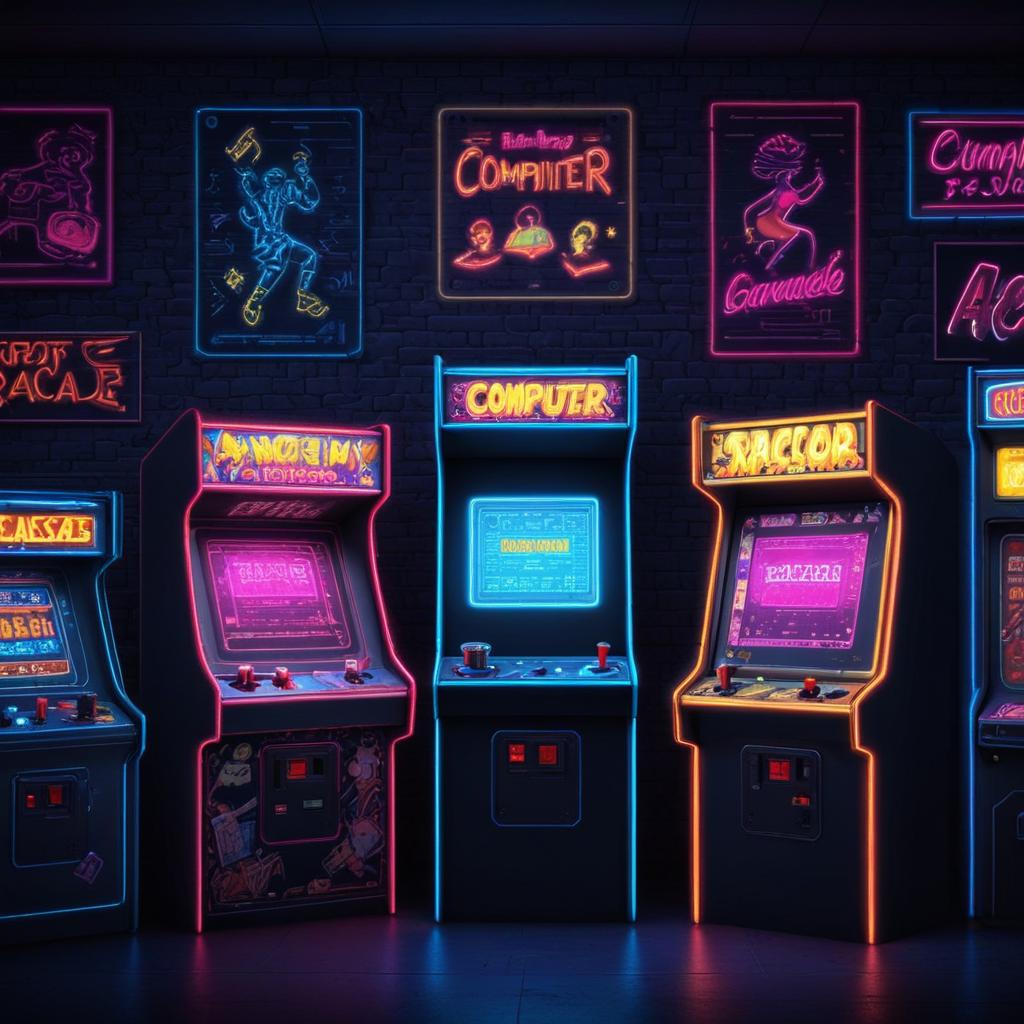
Arcade games played a pivotal role in bringing computer games into mainstream pop culture during the 1970s and 80s. Gaming arcades, which housed rows of brightly lit arcade machines, became social hubs where people of all ages gathered to experience the thrill of digital entertainment. These venues provided an accessible way for the public to interact with computer games, which until then had been largely confined to early home consoles and personal computers.
The phenomenon of gaming arcades contributed significantly to the gaming boom of this era, reflecting a shift in how people engaged with technology and entertainment. Iconic arcade titles like Pac-Man, Space Invaders, and Donkey Kong not only captured the imagination of players but also became cultural landmarks that transcended the gaming community. These games were often simple yet highly engaging, appealing to both casual players and dedicated gamers.
The presence of arcade machines in malls, pizza joints, and cinemas helped weave computer games into the fabric of everyday life, making gaming a shared experience and a form of social interaction. This accessibility and communal aspect elevated computer gaming from a niche hobby to a dominant cultural force. Arcade culture laid the groundwork for the future of the gaming industry, shaping perceptions and expectations for interactive entertainment worldwide.
Advancements Through the 80s and 90s
The 1980s and 1990s marked a pivotal era in the evolution of computer games, driven by tremendous technological and creative advances. A key development during this period was the rise of 8-bit gaming, which revolutionized the visual and auditory experience of games with more colorful graphics and improved sound capabilities. This era also witnessed the explosion of home consoles, making video games accessible to a wide audience beyond arcades and personal computers. Notable consoles such as the Nintendo Entertainment System (NES) and Sega Genesis became household names, spearheading the console evolution and fostering a vibrant gaming culture.
Graphic improvements during these decades were especially significant. Early 8-bit graphics gave way to more detailed and fluid 16-bit visuals, enabling richer and more immersive game worlds. This leap in graphic fidelity allowed developers to experiment with storytelling and gameplay mechanics in entirely new ways. Players could now enjoy more expressive characters, sophisticated animations, and expansive environments, greatly enhancing the overall gaming experience.
The expansion of game genres was another hallmark of this transformative era. While early games focused heavily on arcade-style action and platforming, the 80s and 90s saw the emergence of a diverse range of genres including role-playing games (RPGs), real-time strategy (RTS), simulation, and adventure games. These new categories attracted different types of players and allowed for deeper, more strategic gameplay. The advent of narrative-driven titles, complex character development, and open-world exploration added layers of complexity and engagement.
Home consoles played a central role in this renaissance, providing a user-friendly and affordable way for people to engage with video games. The competition between major companies like Nintendo, Sega, and later Sony pushed the boundaries of what consoles could achieve, with hardware improvements such as faster processors, better sound systems, and enhanced graphics chips. This era also saw the introduction of iconic franchises that remain influential today, setting standards for game design and player expectations.
Overall, the 1980s and 1990s were a decade of remarkable innovation and growth in the computer gaming industry. The combination of 8-bit gaming foundations, rapid console evolution, substantial graphic improvements, and a blossoming variety of game genres created a rich and dynamic environment. These advances laid the groundwork for the modern gaming landscape, transforming computer games from simple pixelated diversions into complex, beloved forms of entertainment enjoyed globally.
The Console Revolution
The rise of home consoles marked a pivotal shift in the evolution of computer games, with Nintendo and SEGA leading the charge in the 1980s and early 1990s. These companies fundamentally transformed gaming culture and technology, making video games accessible to a broader audience and embedding them into everyday life. Nintendo’s innovative approach, exemplified by the Nintendo Entertainment System (NES), revitalized the gaming industry after the market crash of 1983. By focusing on quality control and delivering engaging, family-friendly titles, Nintendo established a new standard for gaming consoles.
Meanwhile, SEGA emerged as a vital competitor, pushing technological boundaries with the SEGA Genesis (also known as the Mega Drive). SEGA’s emphasis on faster hardware and edgier, more mature game content helped diversify the gaming landscape, appealing to teenage and adult gamers. The rivalry between Nintendo and SEGA fueled rapid innovation, driving developers to create more complex and visually impressive games. This competition also introduced memorable franchises and characters that are still celebrated today.
Together, Nintendo and SEGA popularized the concept of home consoles as a staple entertainment platform, moving gaming out of arcades and into living rooms worldwide. Their consoles not only advanced hardware capabilities but also shaped the social aspect of gaming, fostering communities and competitive play. As pioneers in the industry, Nintendo and SEGA set the foundation for modern gaming consoles, influencing both technology and culture in ways that continue to resonate within the video game world.
Graphical and Gameplay Innovations
The evolution of computer games has been marked by significant advancements in both graphics and gameplay mechanics. One of the most groundbreaking changes was the introduction of 3D graphics, which revolutionized the way players experienced virtual worlds. Unlike traditional 2D visuals, 3D graphics created a sense of depth and realism, allowing for more immersive and visually complex environments.
Alongside these graphical innovations, gameplay mechanics also saw transformative developments. New genres such as Role-Playing Games (RPGs) and First-Person Shooters (FPS) emerged, each bringing unique elements to the gaming landscape. RPGs introduced deep narrative-driven experiences, character customization, and intricate progression systems, engaging players in long-term adventures. On the other hand, FPS games focused on fast-paced action and precision, offering an intense and thrilling perspective through the eyes of the protagonist.
The combination of enhanced 3D graphics and innovative gameplay mechanics allowed game developers to push boundaries in storytelling and interactivity. These advancements not only raised the bar for visual fidelity but also expanded the scope of what games could offer, appealing to a broader audience and setting new standards in the industry. Together, the rise of 3D visuals and the diversity brought by RPGs and FPS titles stand as key milestones in the ongoing evolution of computer games.
Modern Era and Future Trends in Gaming
The landscape of modern computer games is rapidly evolving, driven by technological advancements and the increasing importance of online connectivity. Today’s gaming experiences are not confined to solitary play but are deeply intertwined with expansive online ecosystems that allow players worldwide to connect, compete, and cooperate in real time. Online gaming communities have flourished, offering not only gameplay but social interaction, streaming, and content creation opportunities. This connectedness enhances the immersion and longevity of games, making multiplayer features a cornerstone of the modern gaming industry.
One of the most revolutionary advancements in recent years is the development and integration of virtual reality (VR) in gaming. VR technology provides players with a fully immersive environment, transcending the traditional screen boundaries. By donning VR headsets, users experience unprecedented levels of presence, interacting with game worlds in 3D space and using natural body movements to influence gameplay. The evolution of VR hardware, alongside improvements in graphic fidelity and motion tracking, has made VR gaming more accessible and appealing, paving the way for innovative game design and storytelling.
Alongside VR, game streaming services have emerged as a transformative force shaping the future of how games are played and distributed. Cloud gaming platforms eliminate the need for powerful local hardware by streaming games directly from servers to various devices, including smartphones, tablets, and low-end PCs. This democratizes access to high-quality gaming experiences, enabling broader audiences to enjoy the latest titles without expensive equipment. Streaming also fosters new business models, with subscriptions and game libraries replacing traditional ownership paradigms.
Looking ahead, the future of computer games is set to be influenced by further breakthroughs in artificial intelligence, augmented reality, and cross-platform integration. AI is expected to enhance non-player character behavior and personalize player experiences, while augmented reality (AR) blends digital and physical realities to expand gaming beyond the screen. Cross-platform play continues to break down barriers, allowing diverse communities to interact regardless of their device. Together, these trends promise an exciting era of gaming where immersion, connectivity, and innovation redefine what it means to play.
Online Multiplayer and Esports
The growth of online gaming has revolutionized the way players interact and compete, transforming multiplayer games into massive virtual communities. Online multiplayer games enable players from around the world to connect, collaborate, and challenge each other in real-time, creating vibrant and dynamic gaming communities. This connectivity has not only expanded the reach of video games but has also paved the way for the rise of esports as a major cultural and economic force.
Esports, or competitive online gaming, has evolved from niche tournaments to global events watched by millions. Its integration with streaming platforms amplifies the spectator experience, turning players into celebrities and games into lucrative entertainment franchises. The esports industry generates significant revenue through sponsorships, advertising, and media rights, solidifying its status alongside traditional sports.
The popularity of online gaming and esports has fostered a sense of belonging among players, who form communities based on shared interests, skills, and experiences. These communities are key to sustaining engagement and growth in multiplayer games, as they encourage teamwork, competition, and social interaction. With continued advancements in technology and communication, the future of online multiplayer gaming and esports promises even greater immersion and cultural impact.
Virtual Reality and Immersive Experiences
Virtual reality (VR) technology has revolutionized the world of gaming by offering players deeply immersive experiences that were once only imaginable. VR gaming transports users into fully interactive 3D environments where they can look, move, and engage naturally, breaking the boundaries of traditional screen-based gameplay. This leap in immersive tech has reshaped player engagement by creating a sense of presence and immersion that dramatically enhances emotional and sensory involvement.
The advancement of gaming hardware such as VR headsets, motion controllers, and haptic feedback devices has played a crucial role in this evolution. These tools allow players to physically interact with game worlds, heightening realism and interactivity. As a result, games in VR are no longer just activities to watch or control from afar—they become fully embodied experiences that challenge the way players think about and participate in virtual environments.
Moreover, VR gaming encourages social interaction within virtual spaces through multiplayer platforms, expanding the social dimension of gaming. The immersive tech enables players to collaborate, compete, and share adventures in real time, bridging geographical distances with a new level of connectivity. Overall, virtual reality is not only transforming gameplay but is also setting new standards for engaging and dynamic entertainment in the gaming industry.

I’ve been playing video games since I got my first console at age five, and I love sharing insights about the industry. Writing about game design, indie gems, and the latest releases keeps me excited about the future of gaming.