

Game engines are the backbone of modern video game development, serving as comprehensive software frameworks that facilitate the creation, design, and management of interactive experiences. These platforms provide developers with the tools needed to create everything from simple mobile games to complex AAA titles. Understanding game engines is essential for anyone interested in the gaming industry, whether as a developer, designer, or even a passionate gamer. This article will explore the various aspects of game engines, including their types, key features, popular examples, and the future of game development technology.
What is a Game Engine?
A game engine is a software environment designed for the development of video games. It provides a suite of tools and functionalities that streamline the creation process, allowing developers to focus on building gameplay mechanics rather than starting from scratch. Game engines typically include features such as rendering engines for graphics, physics engines for real-world simulations, and scripting capabilities to define game behavior. This integration of various components allows for a more cohesive development experience, enabling creators to produce high-quality games efficiently.
At its core, a game engine acts as an intermediary between the game’s assets, like graphics, audio, and animations, and the hardware that runs the game. This means that developers can create once and deploy across multiple platforms, such as consoles, PCs, and mobile devices. The versatility and efficiency of game engines have made them a fundamental part of the video game development process.
Types of Game Engines
Game engines can be categorized into several types based on their intended use and capabilities. The most common distinctions are between 2D and 3D game engines. 2D engines, such as GameMaker Studio and Construct, focus on creating games with two-dimensional graphics and are often preferred for indie games and mobile applications. These engines provide tools tailored for 2D game mechanics, like sprite animation and tile-based level design.
On the other hand, 3D game engines, like Unity and Unreal Engine, provide robust tools for creating three-dimensional environments and characters. These engines are more complex, offering advanced rendering techniques, physics simulations, and support for virtual reality. They are widely used in the development of AAA games and immersive experiences, showcasing the capabilities of modern hardware. Additionally, there are specialized engines designed for specific genres, such as RPG Maker for role-playing games or sports game engines that offer tailored physics and mechanics.
Key Features of Game Engines
Game engines come equipped with a range of features that significantly enhance the development process. One of the most notable features is the integrated development environment (IDE), which provides developers with a user-friendly interface to manage assets, scripts, and game logic. This environment often includes visual tools for Level design, allowing developers to drag and drop components into the game world without extensive programming knowledge.
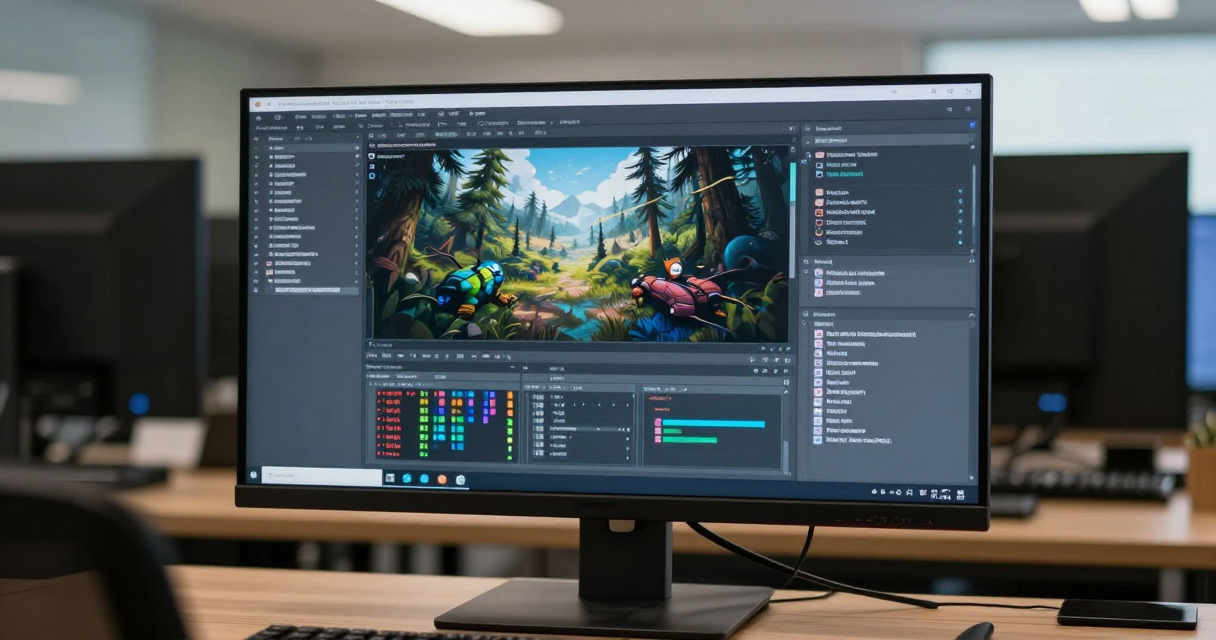
Another essential feature is the asset pipeline, which simplifies the process of importing and managing various game assets, such as textures, models, and audio files. Game engines also include scripting languages, allowing developers to define game behavior and interactions. Popular scripting languages include C# for Unity and Blueprints for Unreal Engine, which utilizes a visual scripting approach to make it accessible for non-programmers.
Popular Game Engines
Several game engines dominate the industry, each with its unique strengths and community support. Unity is one of the most widely used game engines, known for its versatility and ease of use. It supports both 2D and 3D game development, making it suitable for a wide range of projects, from mobile games to complex simulations. Unity’s asset store also provides developers access to a vast library of third-party resources, further accelerating the development process.
Unreal Engine, developed by Epic Games, is renowned for its high-fidelity graphics and is often the choice for AAA game studios. It offers advanced rendering capabilities and a powerful physics engine, enabling developers to create visually stunning experiences. Unreal Engine’s Blueprint visual scripting system allows designers to implement game mechanics without deep programming knowledge, which broadens its accessibility.
The Role of Middleware in Game Development
Middleware refers to software that acts as a bridge between the game engine and other applications or services. This can include audio engines, physics engines, or networking solutions that enhance a game’s performance and capabilities. Middleware can significantly reduce development time and complexity by providing specialized tools that integrate seamlessly with game engines.
For example, FMOD and Wwise are popular audio middleware solutions used to create dynamic soundscapes in games. They allow sound designers to implement complex audio behaviors without extensive coding, enhancing the overall player experience. Similarly, physics engines like Havok and PhysX can be integrated with game engines to provide realistic simulations of movements and collisions, making gameplay more immersive.
The Future of Game Engines
The landscape of game engines is continually evolving, driven by advancements in technology and changing developer needs. One of the most significant trends is the rise of cloud gaming and the need for engines that support online multiplayer experiences seamlessly. As internet speeds increase and more players engage with cloud platforms, game engines must adapt to provide reliable performance and connectivity.

Moreover, the integration of artificial intelligence and machine learning is becoming increasingly prevalent in game development. Future engines may leverage AI to automate tedious tasks, such as level design or asset generation, allowing developers to focus on creativity and innovation. This shift could revolutionize the way games are developed, making the process faster and more efficient while maintaining high-quality standards.
Choosing the Right Game Engine
When selecting a game engine, developers must consider several factors, including the type of game they want to create, their team’s expertise, and budget constraints. For indie developers, engines like Unity or Godot offer robust tools at a lower cost, making them accessible for smaller projects. In contrast, larger studios may opt for Unreal Engine due to its advanced features and support for high-end graphics.
Additionally, the community and support surrounding a game engine can significantly impact a developer’s experience. A strong community provides resources, tutorials, and forums for troubleshooting, which can be invaluable for those new to game development. Ultimately, the right choice depends on the specific needs of the project and the developer’s familiarity with the engine’s tools and capabilities.

I’ve been playing video games since I got my first console at age five, and I love sharing insights about the industry. Writing about game design, indie gems, and the latest releases keeps me excited about the future of gaming.