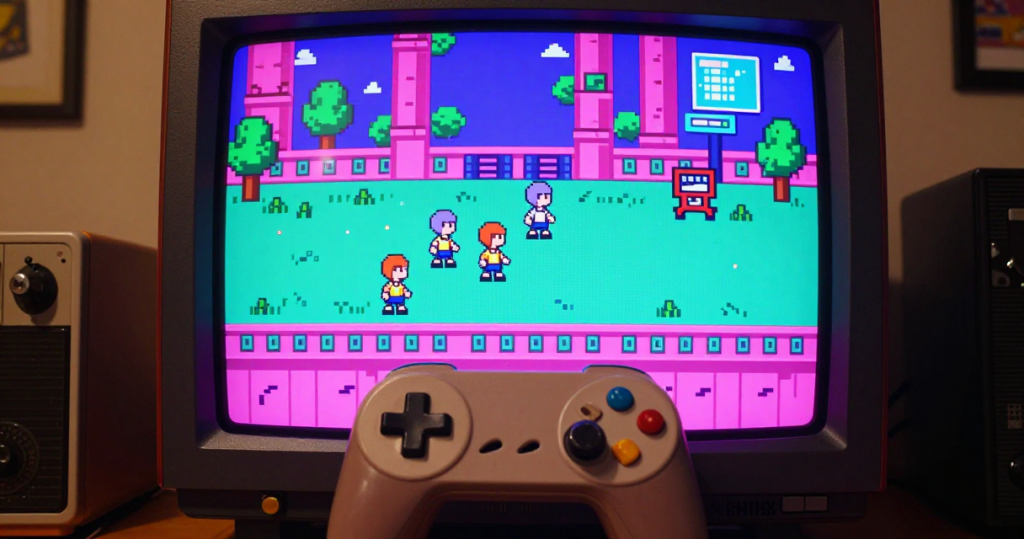
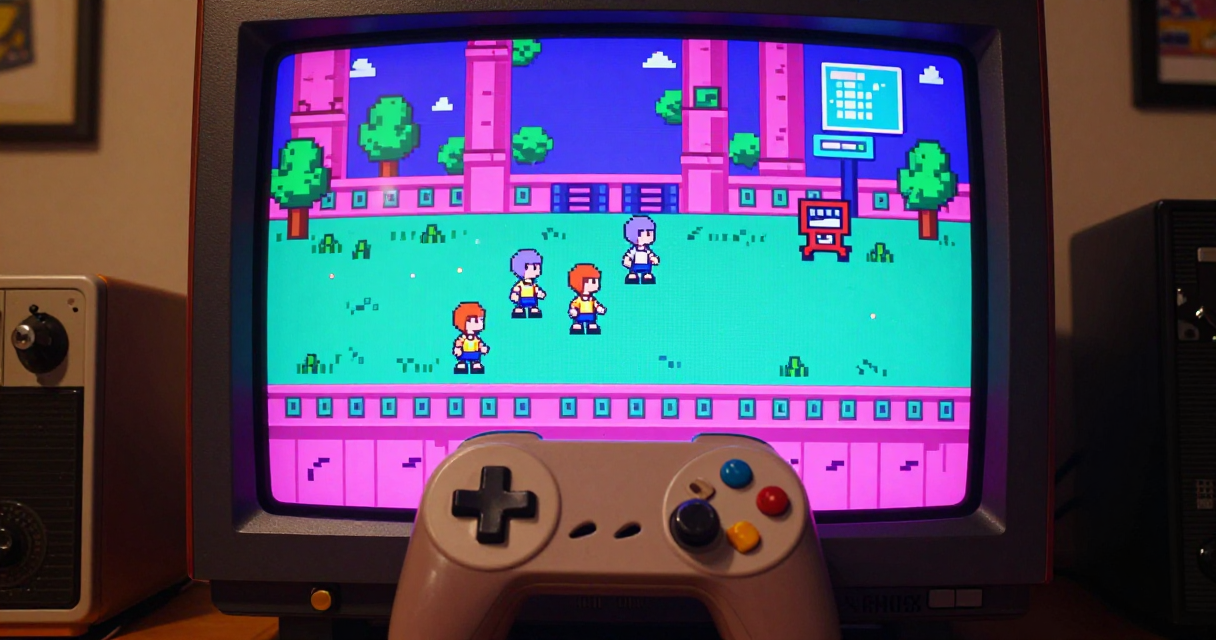
Nostalgia in video games is more than just a marketing buzzword. It’s a design philosophy that shapes how developers revisit, reinterpret, and sometimes exploit the past to create experiences that resonate with players. Whether through pixel art revivals, remastered classics, or entirely new games built on retro aesthetics, nostalgia serves different purposes depending on the approach. Some games use it to evoke genuine emotion, while others rely on it as a crutch to mask weak mechanics. Understanding these differences helps players navigate the flood of retro-inspired titles and separate the meaningful from the shallow.
Mechanical Fidelity vs. Aesthetic Homage
One of the clearest divides in nostalgic game design is between mechanical fidelity and aesthetic homage. Games like Shovel Knight and Celeste don’t just borrow the look of 8-bit and 16-bit classics, they replicate the tight controls, level design, and even the limitations of those eras. Shovel Knight, for example, mimics the NES’s sprite restrictions and physics quirks, creating a game that feels authentically old-school while still being polished for modern audiences. This approach works best when the mechanics are the star, not just the visuals. Players who grew up with the originals appreciate the attention to detail, but newcomers might find the difficulty curve jarring if the game leans too hard into retro frustration.
On the other hand, aesthetic homage strips away the mechanical rigor in favor of a superficial retro style. Games like Stardew Valley and Octopath Traveler use pixel art or HD-2D visuals to evoke nostalgia, but their gameplay is far removed from the simplicity of their inspirations. Stardew Valley borrows the top-down farming sim structure of Harvest Moon, but its deeper progression systems and open-ended storytelling make it feel like a modern game in retro clothing. This approach risks alienating purists who expect more than just a visual throwback, but it can also attract players who want the comfort of familiar aesthetics without the archaic design.
The key difference lies in intent. Mechanical fidelity aims to preserve the soul of a bygone era, while aesthetic homage uses nostalgia as a stylistic choice. Neither is inherently better, but the best games in either category make it clear which path they’re taking. Players should watch for whether the mechanics justify the retro presentation or if the nostalgia is just window dressing.
Remakes vs. Reboots: Preservation vs. Reinvention
Remakes and reboots represent two distinct ways to revisit classic games, each with its own strengths and pitfalls. Remakes, like Resident Evil 2 and Final Fantasy VII Remake, aim to preserve the original’s core experience while updating it for modern hardware. Resident Evil 2 keeps the same story, locations, and even some of the original’s fixed camera angles, but it overhauls the controls, graphics, and pacing to feel fresh. This approach works well when the original game’s design holds up but its technical limitations don’t. Players get the best of both worlds: the comfort of a familiar experience with the polish of modern game design.
Reboots, however, take a more radical approach. Games like Doom 2016 and Tomb Raider 2013 strip away much of the original’s identity to create something new. Doom 2016 keeps the fast-paced, demon-slaying action of the original but reimagines the lore, level design, and combat mechanics from the ground up. This approach is riskier because it can alienate fans who wanted a faithful update rather than a complete overhaul. However, it also allows developers to fix fundamental flaws in the original, like clunky controls or outdated storytelling. The success of a reboot often hinges on whether it respects the spirit of the original while justifying its changes.
The choice between a remake and a reboot depends on the game’s legacy. If the original’s design is timeless but its execution is dated, a remake makes sense. If the original’s design is flawed but its concept is iconic, a reboot might be the better path. Players should pay attention to how much of the original’s DNA is preserved, too little, and the game might feel like a cash grab; too much, and it might feel like a museum piece.
Retro Aesthetics vs. Modern Gameplay Loops
Retro aesthetics and modern gameplay loops often clash in ways that define whether a nostalgic game succeeds or fails. Games like Hades and Dead Cells use pixel art and chiptune music to evoke the past, but their gameplay is built around modern design principles like procedural generation, roguelike progression, and tight feedback loops. Hades, for instance, looks like a classic isometric dungeon crawler, but its storytelling, character interactions, and meta-progression are anything but retro. This blend works because the modern elements enhance the retro presentation rather than clash with it. Players get the best of both worlds: the charm of old-school visuals with the depth of contemporary design.
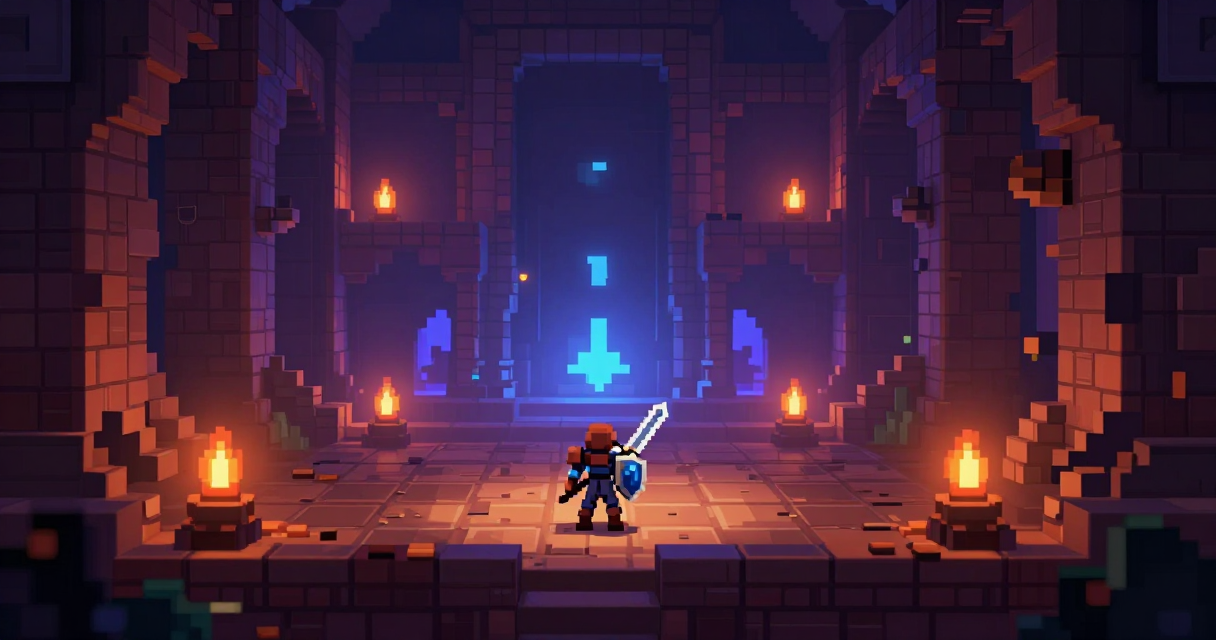
The opposite approach, retro aesthetics with retro gameplay, can feel like a double-edged sword. Games like Blasphemous and Salt and Sanctuary mimic the Metroidvania genre’s exploration-heavy design, but they also inherit its flaws, like punishing difficulty and opaque progression. These games appeal to players who want an authentic challenge, but they can frustrate those who expect modern quality-of-life features like checkpoints or clear objectives. The danger here is that the nostalgia becomes a crutch, excusing poor design choices under the guise of “authenticity.”
The sweet spot lies in games that use retro aesthetics as a foundation but aren’t afraid to innovate. Undertale is a perfect example: it looks like an EarthBound-inspired RPG, but its subversive storytelling and meta-narrative mechanics make it feel fresh. Players should look for games that respect the past without being shackled by it. If a game’s retro presentation feels like a gimmick rather than a deliberate choice, it’s likely not worth the time.
Nostalgia as a Marketing Tool vs. Nostalgia as a Creative Driver
Nostalgia is a powerful marketing tool, and many games use it to sell copies rather than to create meaningful experiences. Titles like Yooka-Laylee and Mighty No. 9 banked on their spiritual connections to Banjo-Kazooie and Mega Man, respectively, but their gameplay failed to live up to the hype. These games often rely on crowdfunding campaigns that promise a return to the “golden age” of gaming, only to deliver underwhelming results. The problem isn’t the use of nostalgia itself, but the way it’s used to mask weak design. Players who back these projects expecting a modern classic often end up disappointed because the nostalgia was the only selling point.
On the other hand, nostalgia can be a creative driver when it’s used to explore themes or mechanics that resonate with players on a deeper level. The Messenger starts as a straightforward Ninja Gaiden-style action game but evolves into a time-traveling Metroidvania that plays with the idea of nostalgia itself. The game’s shift from 8-bit to 16-bit graphics isn’t just a gimmick, it’s a narrative device that reflects the protagonist’s journey. Similarly, Outer Wilds uses the aesthetics of 1990s space sims like Star Control II to create a modern masterpiece of exploration and discovery. These games use nostalgia as a starting point, not an endpoint.
The difference between these two approaches is intent. If a game’s marketing focuses more on its retro inspirations than its actual gameplay, it’s likely leaning on nostalgia as a crutch. If the nostalgia is woven into the game’s design and storytelling, it can elevate the experience. Players should be wary of games that sell themselves on their retro credentials alone, look for titles that use nostalgia as a tool, not a substitute for innovation.
Remasters vs. Enhanced Editions: What’s Worth the Upgrade
Remasters and enhanced editions are two ways developers update older games for modern audiences, but they serve different purposes. Remasters, like Halo: The Master Chief Collection and Shadow of the Colossus, focus on improving visuals and performance while keeping the core gameplay intact. Shadow of the Colossus’s remaster, for example, updates the textures, lighting, and resolution to make the game look like a modern title, but it doesn’t change the original’s design. This approach is ideal for games that were already well-designed but suffered from technical limitations. Players who loved the original get a chance to experience it with modern polish, while newcomers can enjoy it without the hassle of outdated hardware.
Enhanced editions, however, go a step further by adding new content or mechanics. Diablo II: Resurrected and Crash Bandicoot N. Sane Trilogy fall into this category. Diablo II: Resurrected keeps the original’s gameplay but adds quality-of-life improvements like shared stash space and modern matchmaking. Crash Bandicoot N. Sane Trilogy not only remasters the visuals but also tweaks the controls and level design to feel more modern. This approach works best when the additions enhance the experience without altering the original’s identity. The risk is that the changes might alienate purists who prefer the original’s flaws.
The choice between a remaster and an enhanced edition depends on what players value most. If the goal is to experience the original game with better visuals and performance, a remaster is the way to go. If the goal is to enjoy the game with modern conveniences, an enhanced edition might be worth the extra cost. Players should also consider whether the changes are necessary, some games, like Final Fantasy X/X-2 HD Remaster, add so little that the upgrade feels like a cash grab.
Indie Nostalgia vs. AAA Nostalgia: Scale and Authenticity
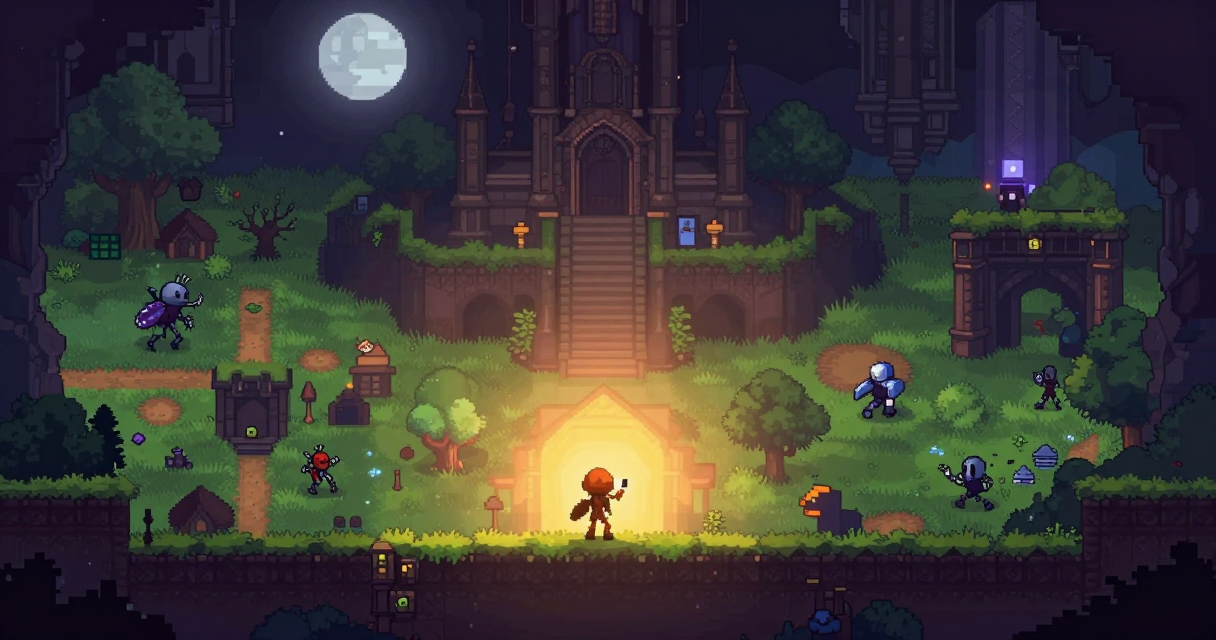
Indie developers and AAA studios approach nostalgia in fundamentally different ways, often with contrasting results. Indie games like Stardew Valley and Hollow Knight use nostalgia as a creative foundation, building on the design principles of classics while adding their own twists. Hollow Knight, for example, draws inspiration from Metroid and Castlevania but expands on their exploration and combat systems with modern design sensibilities. The result is a game that feels both familiar and fresh, appealing to fans of the originals while also attracting new players. Indie nostalgia tends to be more authentic because it’s driven by passion rather than market trends.
AAA nostalgia, on the other hand, often feels calculated. Games like Call of Duty: Vanguard and Battlefield 2042 have tried to recapture the magic of their earlier entries, but their reliance on nostalgia as a selling point often backfires. Call of Duty: Vanguard attempted to return to the gritty, World War II setting of Call of Duty: WWII, but its lackluster campaign and multiplayer failed to live up to the hype. The problem isn’t that AAA games can’t use nostalgia effectively, God of War 2018 proved that a soft reboot could honor the past while creating something new, but that they often prioritize marketability over creativity. When nostalgia becomes a formula rather than a creative choice, the results are usually disappointing.
The key difference lies in execution. Indie games use nostalgia as a starting point for innovation, while AAA games often use it as a safety net. Players should look for titles that respect the past without being defined by it. If a game’s nostalgia feels like a checklist of retro tropes rather than a genuine love letter to the classics, it’s likely not worth the time.
When Nostalgia Works and When It Doesn’t: Player Expectations
Nostalgia works best when it aligns with player expectations, but it can backfire when those expectations are mismanaged. Games like Super Mario 3D World + Bowser’s Fury and Metroid Dread succeed because they deliver on the promise of their predecessors while adding something new. Metroid Dread returns to the series’ roots with tight controls, atmospheric exploration, and challenging boss fights, but it also introduces modern quality-of-life features like a map system and save rooms. This balance ensures that the game feels both nostalgic and fresh, appealing to longtime fans and newcomers alike. The key is that the nostalgia is earned, it’s not just a throwback, but a natural evolution of the original’s strengths.
Nostalgia fails when it’s used as a substitute for good design. Games like Mighty No. 9 and Yooka-Laylee promised to revive the spirit of Mega Man and Banjo-Kazooie, but their clunky controls and outdated mechanics made them feel like relics rather than homages. The problem isn’t that these games tried to evoke nostalgia, it’s that they relied on it to carry weak gameplay. Players who backed these projects expecting a return to form were left disappointed because the nostalgia was the only thing holding them together.
The lesson here is that nostalgia should enhance a game, not define it. Players should approach retro-inspired titles with a critical eye, asking whether the nostalgia is justified or if it’s just a marketing ploy. The best nostalgic games are those that respect the past while carving out their own identity. If a game’s nostalgia feels like a crutch rather than a foundation, it’s likely not worth the investment.

I’ve been playing video games since I got my first console at age five, and I love sharing insights about the industry. Writing about game design, indie gems, and the latest releases keeps me excited about the future of gaming.