
What Are Retro Style PC Games and Why They Matter
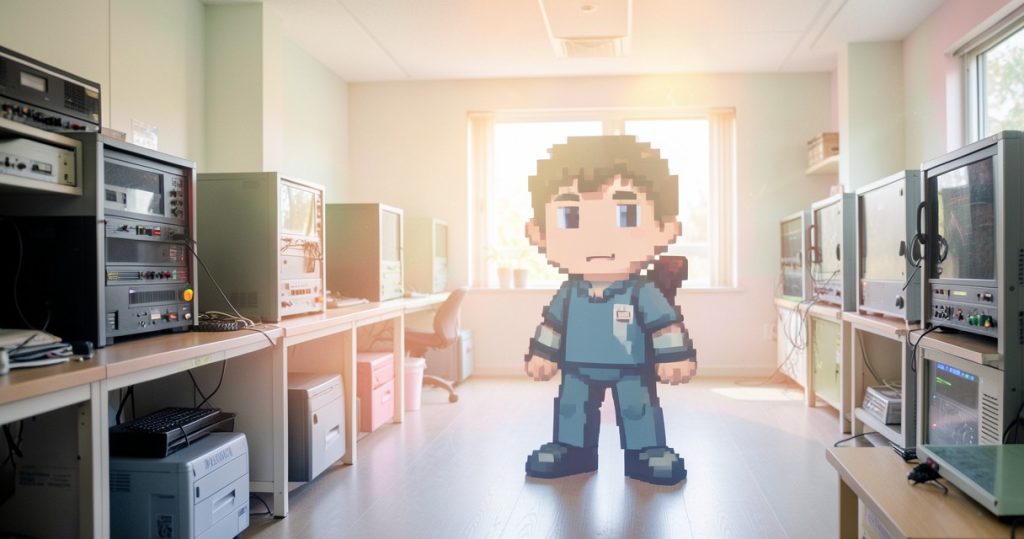
Retro style PC games are modern titles that intentionally mimic the visual, mechanical, or narrative conventions of games from the 1980s and 1990s. These games do not simply run on old hardware or use outdated engines. Instead, they are built with contemporary tools but deliberately limit their graphical fidelity, control schemes, or level design to evoke the feel of classic PC gaming. The distinction is important because many players confuse retro style with retro games, which are the original titles themselves. Retro style games often include pixel art, chiptune soundtracks, and mechanics like permadeath or turn-based combat, but they also introduce quality-of-life improvements such as save systems, rewind features, or online multiplayer that were impossible in the original era.
The appeal of retro style PC games lies in their ability to bridge nostalgia with modern expectations. Developers like those behind Shovel Knight or Undertale have shown that limiting a game to 8-bit or 16-bit aesthetics does not mean sacrificing depth or storytelling. These games often run on engines like Unity or Godot, which allow for smoother performance and cross-platform releases, but they restrict their color palettes, resolution, or physics to match the constraints of older systems. For example, a game like Stardew Valley uses pixel art and a farming simulation structure reminiscent of Harvest Moon, but it also includes modern conveniences like cloud saves and controller support, making it accessible to players who never owned a Super Nintendo.
Retro style games also serve as a form of preservation. Many classic PC games from the DOS era are unplayable on modern systems without emulation or extensive tweaking. By recreating the look and feel of those games, developers keep the spirit of the era alive while ensuring compatibility with current hardware. This is especially valuable for genres that have faded from mainstream popularity, such as text-based adventures or side-scrolling shooters. Games like Hypnospace Outlaw or The Messenger demonstrate how retro style can be used to revive forgotten genres while adding contemporary polish, such as dynamic lighting or branching narratives, that would have been impossible in the original era.
The Technical Constraints That Define Retro Style
Retro style PC games are defined by the technical constraints they impose on themselves, even when those constraints are no longer necessary. These limitations are not arbitrary but are carefully chosen to replicate the feel of specific hardware or software environments. For instance, a game mimicking the Commodore 64 might limit its color palette to 16 colors and use a resolution of 320×200 pixels, while a game inspired by the Sega Genesis would cap its sprite count and use a 64-color palette. These choices are not just about aesthetics but also about how the game plays. A lower resolution, for example, forces developers to design levels and interfaces that are readable at small sizes, which can lead to more thoughtful and deliberate gameplay.
Sound design is another area where retro style games enforce strict rules. Chiptune music, created using sound chips like the Yamaha YM2612 or the MOS Technology SID, is a hallmark of the genre. Modern tools like Famitracker or DefleMask allow composers to recreate these sounds with precision, but they also enable experimentation with new techniques. Some retro style games use chiptune music but layer it with modern production values, such as dynamic mixing or adaptive soundtracks that change based on player actions. Similarly, sound effects in retro style games often avoid digital sampling and instead rely on synthesized tones, which can be more expressive and less resource-intensive than recorded audio. Games like Celeste or TowerFall Ascension use these techniques to create soundtracks that feel both nostalgic and fresh.
Performance constraints are also a key part of retro style. Many classic PC games ran on hardware with limited processing power, which meant developers had to optimize every aspect of their code. Modern retro style games often replicate this by limiting their frame rates, physics calculations, or AI behavior to match the capabilities of older systems. For example, a game like Downwell uses a monochrome color scheme and simple physics to evoke the feel of a Game Boy title, but it also includes modern features like procedural generation and online leaderboards. These constraints are not just about aesthetics but also about gameplay. A slower frame rate or simpler AI can make a game feel more deliberate and strategic, which is why many retro style games in genres like roguelikes or turn-based tactics embrace these limitations.
How Retro Style Games Revive Forgotten Genres
Retro style PC games have become a powerful tool for reviving genres that were once popular but have since faded from mainstream gaming. One of the most notable examples is the resurgence of the Metroidvania genre, which combines exploration, platforming, and nonlinear progression. Games like Axiom Verge and Hollow Knight use retro-inspired pixel art and tight controls to capture the spirit of classics like Super Metroid and Castlevania, but they also introduce modern mechanics like map systems, fast travel, and intricate boss fights. These games prove that retro style is not just about nostalgia but also about innovation within constraints. The pixel art aesthetic, for instance, allows developers to create detailed and expressive worlds without the high production costs of 3D modeling.
Another genre that has seen a revival thanks to retro style is the text-based adventure. Games like Thimbleweed Park and Return of the Obra Dinn use pixel art and limited animation to evoke the feel of classic point-and-click adventures, but they also incorporate modern storytelling techniques. Thimbleweed Park, for example, uses a branching narrative and multiple playable characters to create a complex and replayable experience, while Return of the Obra Dinn employs a unique deductive gameplay mechanic that would have been impossible in the original era. These games show how retro style can be used to experiment with new ideas while staying true to the spirit of the classics. The limited visual fidelity forces players to focus on the writing and mechanics, which can lead to more immersive and engaging experiences.
Retro style has also breathed new life into the roguelike genre. Games like Dead Cells and Spelunky use pixel art and permadeath to evoke the feel of classic roguelikes like Rogue and NetHack, but they also introduce modern features like procedural generation, online leaderboards, and controller support. These games demonstrate how retro style can be used to create challenging and replayable experiences that appeal to both old-school and modern players. The pixel art aesthetic, for example, allows developers to create a wide variety of enemies and environments without the need for complex 3D modeling, while the permadeath mechanic encourages players to experiment and learn from their mistakes. This combination of old and new has made retro style roguelikes some of the most popular and critically acclaimed games of the past decade.
The Role of Pixel Art in Retro Style Games
Pixel art is the most recognizable visual style in retro style PC games, but it is far more than just a nostalgic gimmick. It is a deliberate artistic choice that allows developers to create detailed and expressive worlds within strict technical constraints. Pixel art is not simply about using low-resolution graphics but about using those graphics to convey as much information as possible. A well-designed pixel art sprite, for example, can communicate a character’s personality, mood, and even backstory with just a few pixels. Games like Hyper Light Drifter and Octopath Traveler use pixel art to create rich and immersive worlds that feel both nostalgic and fresh. The limited resolution forces artists to focus on the essential details, which can lead to more thoughtful and deliberate designs.
One of the key advantages of pixel art is its scalability. Unlike 3D models, which can become blurry or distorted when viewed at different resolutions, pixel art can be scaled up or down without losing its clarity. This makes it ideal for games that need to run on a wide variety of hardware, from low-end PCs to handheld devices. Pixel art is also relatively easy to animate, which allows developers to create fluid and expressive character movements without the need for complex motion capture. Games like Shovel Knight and Stardew Valley use pixel art to create smooth and responsive controls that feel both modern and nostalgic. The simplicity of pixel art also makes it easier to iterate on designs, which can lead to more polished and refined games.
Pixel art is not without its challenges, however. Creating high-quality pixel art requires a deep understanding of color theory, composition, and animation principles. Artists must carefully choose their color palettes to ensure that their sprites are readable and expressive, even at low resolutions. They must also pay close attention to the placement of pixels to create smooth and natural-looking animations. Games like Celeste and TowerFall Ascension demonstrate how pixel art can be used to create visually stunning and emotionally resonant experiences. The limited resolution forces artists to focus on the essential details, which can lead to more thoughtful and deliberate designs. This attention to detail is what makes pixel art such a powerful and enduring style in retro style PC games.
Modern Tools That Make Retro Style Development Accessible
Developing retro style PC games has never been easier, thanks to a wide range of modern tools that simplify the process while still allowing for creative expression. Engines like Unity and Godot offer built-in support for pixel-perfect rendering, which ensures that sprites and backgrounds remain crisp and clear, even when scaled up. These engines also include tools for creating chiptune music, designing retro-style user interfaces, and implementing classic gameplay mechanics like tile-based movement or turn-based combat. For example, the Unity Asset Store offers a variety of pixel art tools, such as Aseprite integration and retro-style shaders, that allow developers to create authentic-looking games without needing to code everything from scratch.
Art tools have also evolved to make pixel art more accessible. Programs like Aseprite and GraphicsGale are specifically designed for creating and animating pixel art, with features like onion skinning, palette management, and tile-based editing. These tools allow artists to work quickly and efficiently, which is essential for indie developers who often have limited resources. Additionally, modern sound tools like Famitracker and DefleMask make it easy to create chiptune music and retro-style sound effects. These programs emulate the sound chips of classic consoles, allowing composers to create authentic-sounding soundtracks without needing to use outdated hardware. Games like Undertale and Celeste have shown how these tools can be used to create emotionally resonant and technically impressive soundtracks that feel both nostalgic and modern.
Distribution platforms have also played a key role in making retro style games more accessible. Steam, itch.io, and GOG offer developers a way to reach a global audience without the need for physical distribution. These platforms also provide tools for marketing, community building, and analytics, which can help indie developers grow their audience and refine their games. For example, Steam’s Early Access program allows developers to release unfinished games and gather feedback from players, which can be invaluable for refining gameplay and mechanics. This has led to a thriving indie scene for retro style games, with developers experimenting with new ideas and pushing the boundaries of what is possible within the genre. Games like Hollow Knight and Dead Cells demonstrate how modern tools and distribution platforms can be used to create retro style games that are both critically acclaimed and commercially successful.
Why Retro Style Games Appeal to Modern Players
Retro style PC games resonate with modern players for reasons that go beyond simple nostalgia. One of the key factors is their focus on gameplay over graphics. In an era where many AAA games prioritize photorealistic visuals and cinematic storytelling, retro style games offer a refreshing alternative that emphasizes tight controls, challenging mechanics, and creative level design. Games like Celeste and Super Meat Boy use simple pixel art and chiptune music to create experiences that are both visually striking and mechanically deep. The limited visual fidelity forces players to focus on the gameplay, which can lead to more engaging and rewarding experiences. This focus on gameplay is especially appealing to players who feel overwhelmed by the complexity and scale of modern AAA titles.
Another reason retro style games appeal to modern players is their accessibility. Many retro style games are designed to be played on a wide variety of hardware, from low-end PCs to handheld devices. This makes them ideal for players who do not have access to high-end gaming rigs or who prefer to play on the go. Retro style games also tend to have shorter playtimes and more focused narratives, which can be appealing to players who do not have the time or patience for 100-hour open-world games. Games like Stardew Valley and Undertale offer rich and immersive experiences that can be completed in a fraction of the time it takes to finish a modern AAA title. This accessibility has helped retro style games build a dedicated and passionate fanbase that spans multiple generations of players.
Retro style games also offer a sense of discovery and experimentation that is often lacking in modern AAA titles. Many retro style games are created by small indie teams who are willing to take risks and try new ideas. This has led to a thriving scene of experimental and innovative games that push the boundaries of what is possible within the genre. Games like Hyper Light Drifter and Octopath Traveler use retro-inspired visuals and mechanics to create experiences that feel both nostalgic and fresh. The limited resources of indie developers often force them to be more creative and resourceful, which can lead to more unique and memorable games. This spirit of experimentation is one of the key reasons why retro style games continue to appeal to modern players, even as the gaming landscape evolves.
The Future of Retro Style PC Games
The future of retro style PC games looks bright, with new tools and technologies making it easier than ever for developers to create authentic and innovative experiences. One of the most exciting developments is the rise of AI-assisted tools, which can help artists and composers create retro-style assets more quickly and efficiently. For example, AI-powered pixel art generators can create sprites and backgrounds based on simple sketches or descriptions, while AI-driven music tools can generate chiptune soundtracks that mimic the sound of classic consoles. These tools are not meant to replace human creativity but to augment it, allowing developers to focus on the aspects of game design that matter most, such as gameplay and storytelling.
Another trend shaping the future of retro style games is the growing popularity of retro-inspired hardware. Devices like the Analogue Pocket and the Evercade VS offer modern ways to play classic games, but they also inspire developers to create new retro style games that take advantage of these platforms. For example, the Analogue Pocket’s FPGA-based hardware allows developers to create games that run at native resolutions and frame rates, which can lead to more authentic and immersive experiences. This has led to a resurgence of interest in retro style games, with developers experimenting with new ideas and pushing the boundaries of what is possible within the genre. Games like River City Girls and The Messenger demonstrate how retro style can be used to create experiences that feel both nostalgic and fresh.
Finally, the future of retro style PC games will be shaped by the continued growth of the indie game scene. As more developers enter the industry, the diversity and creativity of retro style games will continue to expand. This will lead to new subgenres and hybrid styles that blend retro aesthetics with modern mechanics. For example, games like FEED IT combine retro-inspired pixel art with first-person horror, creating a unique and immersive experience that feels both nostalgic and fresh. As the indie game scene continues to grow, retro style games will remain a vital and vibrant part of the gaming landscape, offering players a refreshing alternative to the high-budget, high-stakes world of AAA gaming.

I’ve been playing video games since I got my first console at age five, and I love sharing insights about the industry. Writing about game design, indie gems, and the latest releases keeps me excited about the future of gaming.