What Are Strategy PC Games?
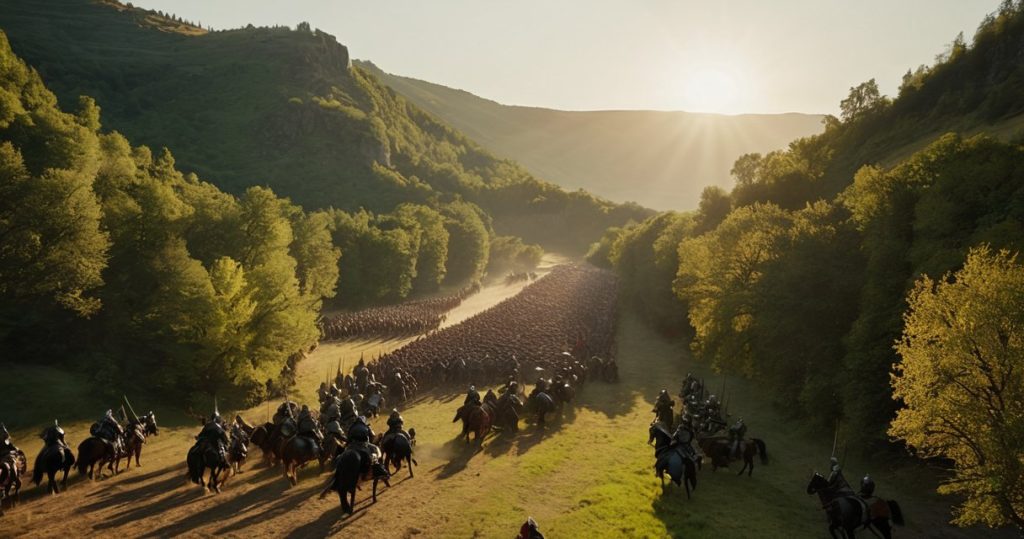
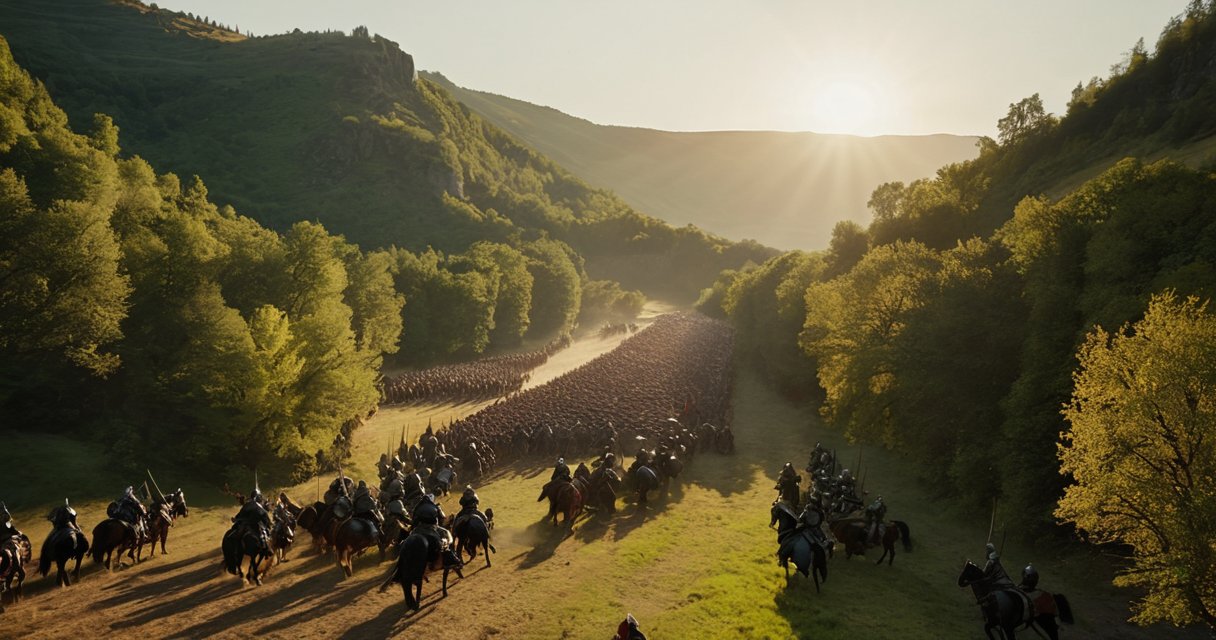
Strategy PC games are a genre focused on thoughtful planning and execution rather than immediate combat. Players engage in managing armies, economies, and territories to achieve dominance. When diving into PC strategy explained, enthusiasts learn that strategy game basics include resource allocation, unit positioning, and long-term goal setting. Real-time strategy adds the element of time pressure, making decisions critical in the moment.
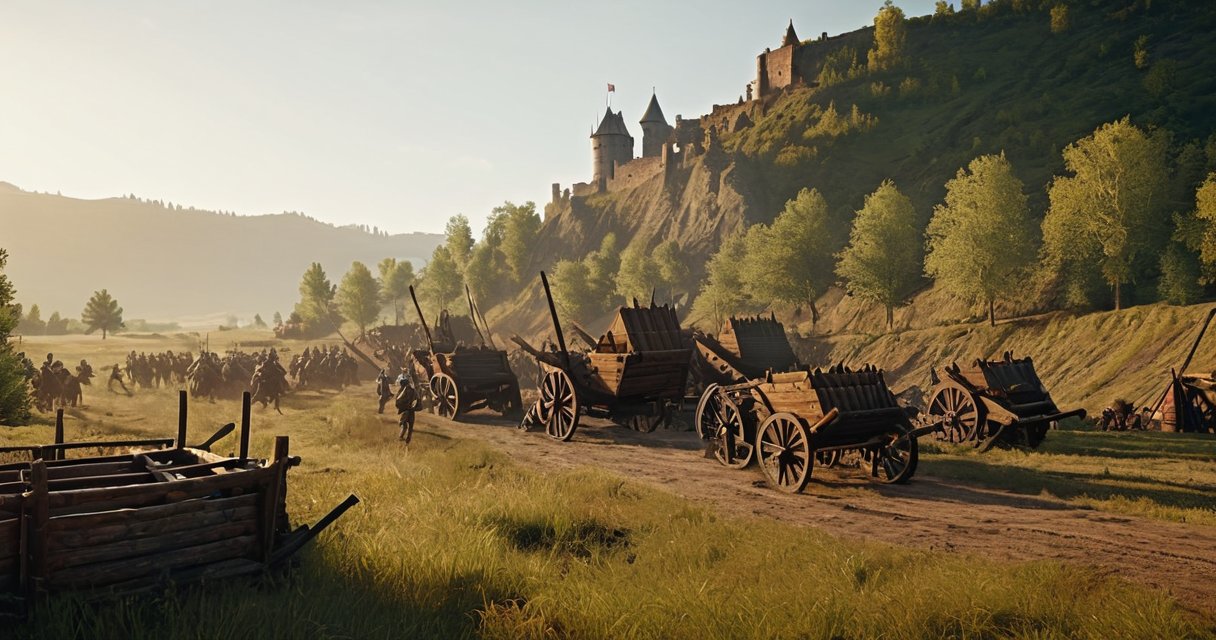
Historically, strategy PC games began with simple turn-based simulations in the 1970s and 1980s, evolving significantly with the advent of more powerful PCs. Early hits like Empire and Reach for the Stars laid foundations, but it was the 1991 release of Civilization that popularized the genre widely. The introduction of real-time strategy in the early 90s with games like Herzog Zwei and Dune II shifted paradigms, leading to classics such as StarCraft. This development allowed for more dynamic and engaging experiences over the years.
The core gameplay loops of strategy PC games revolve around a repeating cycle of gathering, building, and battling. Players must secure resources like minerals or gold to fund their operations, construct facilities for production, and deploy forces effectively. In real-time strategy titles, this loop happens without turns, heightening the intensity. Strategy game basics emphasize multitasking and prioritization, as neglecting any aspect can lead to defeat. Advanced players analyze maps, predict AI behaviors, and adjust tactics on the fly, creating a rich tapestry of strategic possibilities that keep sessions captivating for hours.
Why do strategy PC games appeal so much to those seeking depth and challenge? They stand in contrast to action games by rewarding cerebral skills like analysis and foresight. Players enjoy the intellectual stimulation and the sense of mastery that comes from overcoming tough scenarios through clever planning. PC strategy explained often notes the high replay value due to variable outcomes based on choices. Whether in turn-based or real-time strategy, the genre fosters community and competition, attracting dedicated fans who appreciate complexity over mindless excitement.
Core Mechanics of Strategy Games
Strategy PC games rely on deep strategy game mechanics that challenge players to balance short-term actions with overarching goals. At the heart of these experiences lies resource management, where gathering materials such as minerals, energy, or supplies forms the foundation for progress. Efficient resource management allows commanders to expand operations while avoiding shortages that could stall momentum during critical phases.
Base building complements resource systems by turning collected assets into functional infrastructure. Players construct production facilities, defensive structures, and research centers to support ongoing campaigns. Thoughtful placement of buildings maximizes efficiency and creates synergies that strengthen overall positions on the battlefield.
Unit control demands precise tactical decision making, as players issue orders to diverse forces ranging from infantry to advanced vehicles. Effective unit control ensures troops respond correctly to threats, exploit terrain advantages, and coordinate attacks that overwhelm opponents. Mastering these commands separates novice players from seasoned strategists.
Fog of war adds tension by limiting visibility to explored areas, forcing constant reconnaissance and careful risk assessment. This mechanic rewards proactive scouting while punishing overextension into unknown territory. Long-term planning ties every element together, requiring players to anticipate future needs and adapt strategies across multiple scenarios.
Successful integration of resource management, base building, unit control, and tactical decision making creates the signature depth of the strategy genre on PC. These interconnected systems encourage experimentation and reward foresight, ensuring each session delivers meaningful challenges and satisfying victories.
Main Types of Strategy PC Games
When exploring the main types of strategy games available on PC, players quickly encounter the classic divide of RTS vs TBS. Real-time strategy titles demand quick thinking and multitasking as units move and battles unfold continuously without pauses. Popular examples include StarCraft II and Age of Empires, where resource management and tactical decisions happen in real time.
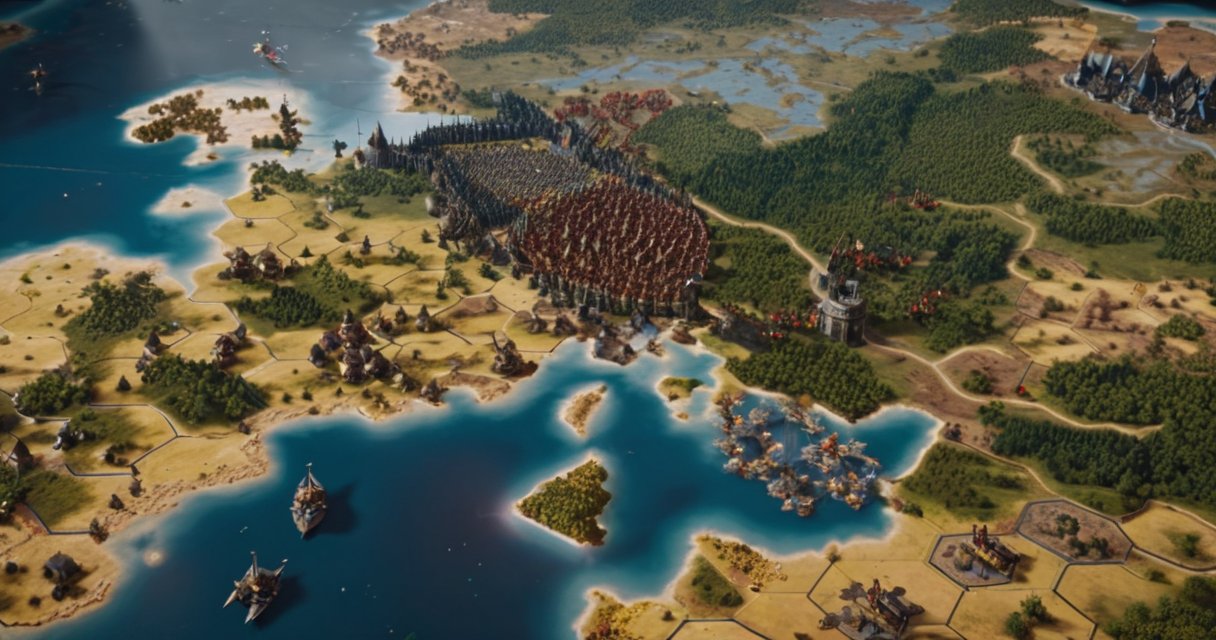
Turn-based strategy games, by contrast, let players plan each move carefully during alternating turns. This format shines in games such as Civilization VI and XCOM 2, where thoughtful positioning and long-term planning often outweigh speed. The deliberate pace suits those who prefer deep analysis over frantic action.
4X games represent another major category within types of strategy games. Standing for explore, expand, exploit, and exterminate, these titles emphasize empire building from humble beginnings to galactic dominance. Sid Meier’s Civilization series and Endless Space 2 showcase how 4X games blend exploration with aggressive expansion and technological advancement.
Grand strategy games take a broader view, focusing on politics, economics, and diplomacy across vast time periods. Titles like Crusader Kings III and Europa Universalis IV let players guide entire nations through centuries of conflict and intrigue. These experiences often incorporate elements of both 4X games and traditional strategy mechanics.
Understanding the differences between these categories helps players choose experiences that match their preferred playstyle. While RTS emphasizes speed and RTS vs TBS highlights pacing contrasts, 4X games and grand strategy deliver layered systems that reward patience and foresight. Together they form the rich landscape of strategy PC gaming.
Real-Time Strategy Games
Real-time strategy games challenge players to command armies, manage resources, and build bases without pauses, creating intense sessions on PC platforms. In RTS games, every second counts as opponents act simultaneously, forcing quick reactions and adaptive plans that keep the action flowing continuously.
Fast-paced decision making defines real-time strategy gameplay, where players juggle unit production, map control, and tactical maneuvers under constant pressure. This dynamic approach rewards sharp multitasking and foresight, distinguishing the genre from slower formats that allow deliberate pacing.
Iconic titles like Starcraft and Age of Empires showcase the best of RTS games, blending competitive multiplayer with deep campaign stories. These PC classics highlight resource gathering, technological upgrades, and large-scale battles that test strategic depth in real time.
Unlike turn-based alternatives, real-time strategy eliminates waiting periods, delivering nonstop engagement where mistakes can snowball rapidly. On PC platforms, this format thrives through precise mouse controls and hotkey systems, appealing to gamers who prefer immediate consequences over methodical turns.
Turn-Based Strategy Games
Turn-based strategy games, often abbreviated as TBS games, revolve around a core mechanic where players alternate turns to perform actions on the game board or battlefield. This turn-based approach enables deep strategic thinking, as each move can be planned without the constraints of time limits present in other game types.
The emphasis on planning and tactics in turn-based strategy sets it apart from other genres. Players must consider multiple variables, including unit positions, resource management, and potential enemy responses, to craft winning strategies that unfold over several turns or even entire campaigns.
Iconic series like Civilization and XCOM showcase the best of what TBS games have to offer. In Civilization, participants build empires from ancient times to the future, managing cities and diplomacy, while XCOM requires managing a team of soldiers in tactical missions against alien forces, with permadeath adding tension.
Players who favor deliberate pacing find great benefits in turn-based strategy. The slower tempo allows for reflection and adjustment of plans, reducing stress and enhancing the satisfaction derived from successful tactical executions and overall campaign management. This makes TBS games ideal for those who enjoy intellectual challenges at their own speed.

I’ve been playing video games since I got my first console at age five, and I love sharing insights about the industry. Writing about game design, indie gems, and the latest releases keeps me excited about the future of gaming.