

The Essence of Character Development in Video Games
Character development in video games is a multifaceted process that significantly impacts player engagement and storytelling. Unlike traditional narratives, video games offer a unique platform where characters evolve based on player choices, gameplay mechanics, and narrative arcs. This dynamic allows players to form deeper connections with characters, making their journeys more immersive and emotionally resonant. Indie PC games often showcase unique approaches to character development, impacting gameplay and storytelling in innovative ways.
Understanding Character Motivation
At the heart of compelling character development lies strong motivation. Characters must have clear goals and desires that drive their actions throughout the game. For instance, in the action-adventure game Assassin’s Creed: Odyssey, players can choose to play as Kassandra or Alexios, each with their own personal motivations shaped by their backstories. These motivations include seeking revenge, uncovering family secrets, or simply surviving in a tumultuous world. Such depth not only makes the characters relatable but also allows players to invest emotionally in their journeys.
The motivations of characters serve as the foundation for their actions and decisions, influencing how players interact with the game world. When characters are faced with moral dilemmas, their motivations become even more pronounced, forcing players to consider the implications of their choices. This creates a rich tapestry of narrative possibilities, enhancing the overall gaming experience.
Creating Relatable Characters Through Flaws
Flaws are essential in character development, as they make characters more relatable and human. A character without flaws can come across as unrealistic or uninteresting. Games like The Last of Us showcase protagonists with deep-seated emotional scars and moral complexities. Joel, the main character, struggles with guilt and loss, which shapes his relationships and decisions throughout the game. Players are drawn to these imperfections, as they mirror the struggles of real life.
By incorporating flaws, game developers can create characters that resonate with players on a personal level. These imperfections can lead to character growth, as players witness their favorite characters confronting their shortcomings and evolving in response to challenges. This growth not only enhances storytelling but also encourages players to reflect on their own experiences and choices.
The Role of Backstory in Character Development
A well-crafted backstory adds layers to a character, providing context for their actions and motivations. Many story driven PC games rely on detailed backstories to shape character motivations and decisions throughout the narrative. For example, in Red Dead Redemption 2, Arthur Morgan’s past as part of a notorious outlaw gang informs his moral choices and relationships with other characters. His backstory is intricately woven into the gameplay, influencing how players perceive him and the decisions they make.

Backstories also serve to enrich the game world, making it feel more lived-in and authentic. When players uncover a character’s history, it adds depth and realism to the narrative. This connection between characters and their pasts enhances player immersion, as they become invested in the characters’ growth and the outcomes of their journeys.
Player Choice and Character Development
One of the defining features of video games is the incorporation of player choice, which directly impacts character development. Games like Mass Effect allow players to make decisions that affect not only the storyline but also the relationships between characters. The debate between PC gaming vs console gaming often highlights how platforms influence the ability to create a personalized gaming experience through player choices. This level of interactivity fosters a sense of ownership over the characters and their fates.
Furthermore, the consequences of player choices can lead to significant character development. For example, in the Walking Dead series, players must make difficult decisions that shape the protagonist, Lee, and his relationship with Clementine. These choices force players to confront the moral implications of their actions, leading to a deeper emotional connection with the characters and a greater investment in the story.
Character Evolution Through Gameplay Mechanics
Gameplay mechanics play a critical role in character development, as they can reflect a character’s growth and evolution. RPGs often feature skill trees or progression systems that allow players to customize their character’s abilities and traits. For instance, in Dark Souls, players can choose to develop their character’s strength, intelligence, or dexterity, influencing their playstyle and interactions with the game world. This customization not only enhances gameplay but also mirrors the character’s development journey.
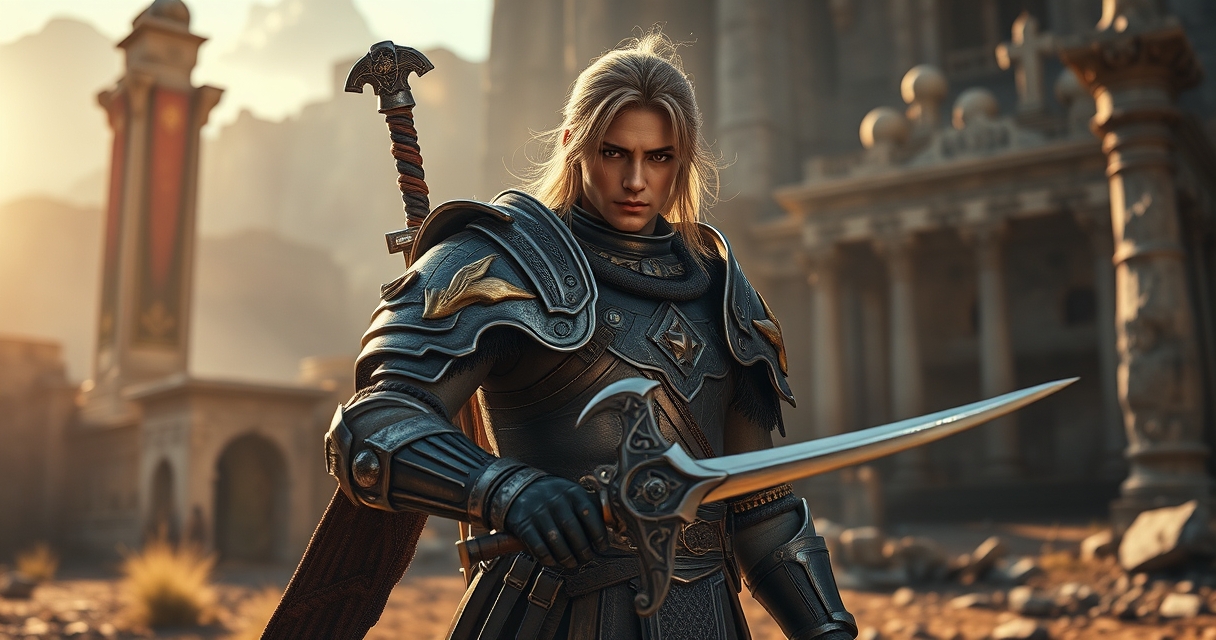
Moreover, gameplay mechanics can facilitate character growth through challenges and obstacles. Characters may start with limited abilities but can gain new skills as they progress. This sense of growth can be empowering for players, reinforcing the idea that characters can overcome adversity. The interplay between gameplay and character development creates a more engaging and satisfying experience, as players witness their characters evolve in real-time.
Emotional Impact of Character Relationships
Relationships between characters are a vital aspect of character development, adding emotional depth to the narrative. Games often explore themes of friendship, loyalty, and betrayal through character interactions. For example, in Final Fantasy VII, the bond between Cloud Strife and his friends is central to the story, with their relationships evolving based on shared experiences and challenges. These interactions allow players to invest emotionally in the characters’ journeys.
The emotional stakes of character relationships can also amplify the impact of player choices. When players must choose between saving a friend or pursuing a personal goal, the decision carries significant weight. This emotional investment enhances the overall gaming experience, as players feel the consequences of their actions on the characters they care about.
Conclusion: The Future of Character Development in Games
As the gaming industry continues to evolve, character development will remain a cornerstone of engaging storytelling. With advancements in technology and narrative design, developers have the opportunity to create even more complex and relatable characters. The integration of artificial intelligence and machine learning may lead to more dynamic character interactions, allowing for personalized experiences that adapt to player choices.
Ultimately, character development in video games is about more than just crafting compelling narratives; it is about creating connections between players and the characters they control. By focusing on motivation, flaws, backstory, player choice, gameplay mechanics, and emotional relationships, developers can forge memorable characters that resonate with players long after the game is over.

I’ve been playing video games since I got my first console at age five, and I love sharing insights about the industry. Writing about game design, indie gems, and the latest releases keeps me excited about the future of gaming.