
Introduction to Indie PC Games
Indie PC games have become a powerful force within the gaming industry, offering fresh and unique experiences that differ from mainstream titles. Created by independent developers who often work with limited resources, these games showcase creativity, innovation, and passion in game development. Unlike big studios, independent developers have the freedom to experiment with novel gameplay mechanics, artistic styles, and storytelling techniques, making indie PC games an essential part of the gaming ecosystem.
The rise of digital distribution platforms has significantly boosted the visibility and accessibility of indie PC games. Players around the world now have immediate access to a vast library of independent titles, ranging from minimalist puzzles to complex role-playing games. This easier distribution method allows independent developers to reach niche audiences who are eager to explore new ideas and concepts beyond the conventional frameworks set by larger game companies.
Moreover, indie PC games have driven innovation in game development by pushing creative boundaries and inspiring major studios to rethink traditional approaches. Many independent developers utilize unique storytelling, diverse artistic expression, and experimental gameplay to create memorable and impactful gaming experiences. This willingness to take risks often results in critically acclaimed titles that challenge the status quo and influence industry trends.
In addition to their artistic and cultural significance, indie PC games provide opportunities for independent developers to build sustainable careers. With support from communities, crowdfunding platforms, and early access models, indie developers can maintain creative control while connecting directly with their audience. This dynamic fosters a vibrant and diverse gaming landscape where innovation thrives, and players benefit from fresh and compelling content.
In summary, indie PC games represent a vital and dynamic segment of the gaming world, highlighting the importance of independent developers and the evolving nature of game development. Their presence enriches the industry by offering distinctive experiences that continue to resonate with players, pushing the boundaries of what gaming can be.
Popular Genres in Indie PC Games
Indie PC games have carved out a distinct space in the gaming world by offering unique experiences that often differ from mainstream titles. One of the key draws of indie game genres is their diversity, allowing developers to experiment with gameplay mechanics, storytelling, and artistic styles. Among the most popular indie game genres, platformers remain a steadfast favorite. Games like “Celeste” and “Hollow Knight” showcase how precision and creativity can combine to create thrilling and challenging experiences, captivating a wide audience of PC game styles enthusiasts.
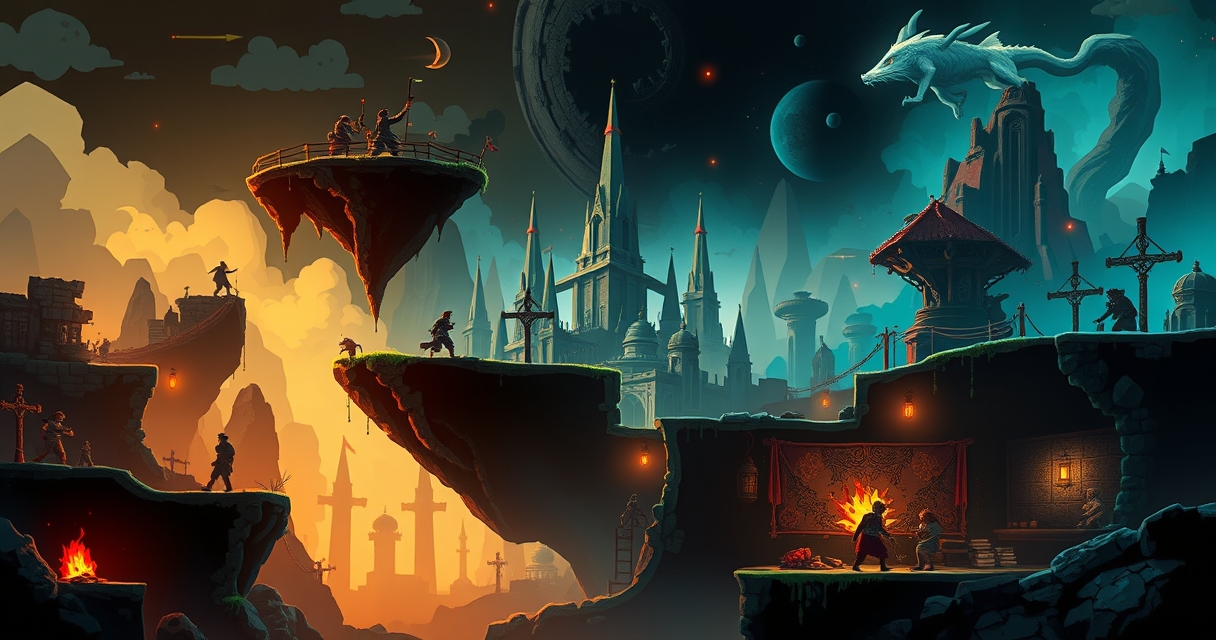
Another prominent indie game genre is the roguelike and roguelite category, characterized by procedural generation, permadeath, and strategic gameplay. Titles such as “Dead Cells” and “Hades” have brought this style to the forefront, blending fast-paced action with immense replayability. The appeal of these popular indie games lies in their ever-changing environments and high-stakes challenges, which keep players engaged for hours on end.
Additionally, narrative-driven indie games have gained significant traction in recent years. This genre focuses on storytelling, emotional depth, and player choice, often transcending traditional gameplay to offer immersive experiences. Games like “Oxenfree” and “Night in the Woods” highlight how powerful narratives can be within the PC game styles scene, providing both memorable characters and thought-provoking themes.
Emerging genres within indie PC games also include puzzle and simulation titles. Puzzle games such as “The Witness” challenge players’ intellect with intricate level design, while simulation games like “Stardew Valley” combine farming and social elements to create relaxing yet engaging gameplay loops. These indie game genres continue to grow, reflecting players’ desire for varied and innovative experiences beyond the conventional.
In summary, the landscape of popular indie games on PC is rich and varied, spanning platformers, roguelikes, narrative adventures, puzzles, and simulations. Each genre offers distinct PC game styles that appeal to different player interests, making indie games a vibrant and essential part of the gaming ecosystem. As indie developers continue to push creative boundaries, these genres are likely to evolve, bringing fresh and exciting content to players worldwide.
Adventure and Narrative-Driven Games
Indie PC games have a special place for players who seek rich storytelling in games and captivating narrative experiences. Adventure indie games, in particular, stand out for their ability to immerse players in carefully crafted worlds where every choice and interaction contributes to the unfolding story. These games often prioritize narrative depth over complex mechanics, allowing players to engage deeply with characters and plotlines.
Narrative games created by indie developers showcase how storytelling in games can be a powerful tool to evoke emotions, explore meaningful themes, and present unique perspectives. Titles in this genre frequently experiment with innovative narrative techniques and non-linear storytelling structures, enriching the player’s journey. By focusing on plot and player decision-making, adventure indie games break away from traditional gameplay formulas to deliver unforgettable experiences.
Many narrative-driven indie games also emphasize exploration and dialogue, encouraging players to uncover secrets and develop connections with the game world. This approach fosters immersion, making the storytelling in games feel organic and impactful. Whether through poignant character development or thought-provoking scenarios, indie adventure games prove that compelling narratives can be just as engaging as cutting-edge graphics or fast-paced action.
For gamers passionate about story and atmosphere, adventure and narrative-driven indie games offer a refreshing alternative, highlighting the creative potential of smaller studios focused on delivering heartfelt and memorable storytelling experiences.
Puzzle and Strategy Indie Games
Indie games have carved a unique niche by offering engaging puzzle games that push players to think critically and creatively. These titles often serve as exceptional brain teasers on PC, providing intricate challenges that require logic, attention to detail, and persistence. From minimalist designs to richly crafted environments, strategy indie games stand out by demanding careful planning and foresight, making every decision impactful.
Many indie developers specialize in creating puzzle games that blend innovative mechanics with compelling narratives, inviting players to unravel mysteries and solve complex problems. Whether it’s manipulating time, bending physics, or deciphering cryptic clues, these games stimulate cognitive skills and offer rewarding experiences. Players looking for brain teasers on PC will find a wealth of options that inspire both patience and ingenuity.
Strategy indie games often challenge players to build systems, manage resources, and outthink opponents in a variety of settings—ranging from medieval kingdoms to futuristic societies. These games emphasize tactical thinking over quick reflexes, offering deep gameplay that can be both relaxing and intense. With an emphasis on player choice and emergent gameplay, strategy indie games continue to expand the possibilities for how puzzles and tactics can intertwine in the indie scene.
Development and Distribution of Indie PC Games
Indie game development has experienced a remarkable surge in recent years, driven by passionate creators who aim to bring unique and innovative experiences to players. Unlike large studios, indie developers often operate with small teams or as solo creators, which grants them creative freedom but also requires versatility in various aspects of game creation. The development process typically involves designing gameplay mechanics, crafting art assets, composing music, and programming — all managed with limited resources but a strong vision.
Once the development phase is complete, indie developers face the critical task of game distribution. Fortunately, digital platforms have revolutionized the way games reach consumers, eliminating the need for physical production and retail channels. Digital platforms offer accessible and affordable methods for indie creators to showcase and sell their games directly to a global audience. This accessibility has dramatically leveled the playing field, allowing smaller studios to compete alongside industry giants.
Popular digital platforms for indie PC games include Steam, itch.io, GOG, and Epic Games Store. Each platform offers distinct advantages: Steam provides a massive user base and a suite of developer tools, itch.io embraces experimental and niche projects with a flexible pricing model, GOG focuses on DRM-free distribution, and Epic Games Store incentivizes developers with exclusive deals and favorable revenue splits. By leveraging these platforms, indie developers can optimize their game’s visibility, engage with communities, and generate revenue.
Beyond these major services, some indie developers take advantage of direct distribution via their own websites or through emerging marketplaces, maximizing control over sales and engagement. Social media and content creators play an essential role in marketing, helping indie games build word-of-mouth buzz that can exponentially increase downloads and sales. Additionally, many developers participate in digital events and game jams, which serve as both collaborative opportunities and promotional channels.
Overall, the symbiotic relationship between indie game development and digital distribution platforms continues to fuel a vibrant, diverse ecosystem. This dynamic empowers creative individuals to bring their visions to life and ensures that players have access to an ever-expanding library of distinctive indie PC games.
Impact and Future of Indie PC Games
The rise of indie gaming has dramatically reshaped the gaming industry over the past decade. Indie PC games, often developed by small teams or even solo creators, have introduced a wave of innovation and creativity that challenges the traditional norms set by large studios. This impact is evident not only in the variety of unique gameplay mechanics and storytelling methods but also in how indie titles have cultivated vibrant, passionate communities around their creations. Unlike mainstream games that often prioritize big budgets and mass appeal, indie games tend to focus on artistic expression, experimental design, and niche genres, enriching the overall gaming landscape.
The significance of indie gaming impact extends beyond just artistic innovation. Economically, indie games have opened new revenue streams and business models within the industry. Digital distribution platforms such as Steam, itch.io, and the Epic Games Store have made it easier for indie developers to reach global audiences without relying on traditional publishing houses. This democratization has lowered barriers to entry, empowering creators with limited resources to succeed and sparking fierce competition that drives quality and originality.
Looking ahead, the future of indie games appears very promising. Gaming industry trends highlight a growing appetite for diverse, authentic experiences that differ from blockbuster titles. Advances in technology, including more accessible game engines like Unity and Unreal Engine, continue to empower indie developers to produce visually stunning and mechanically complex games. Additionally, trends such as the rise of retro-inspired graphics, narrative-driven gameplay, and social impact themes are gaining momentum among indie creators, pushing the boundaries of what games can communicate and achieve.
Another key trend shaping the future of indie games is the increasing integration of live services and community engagement directly within indie titles. Developers are leveraging platforms like Discord, Twitch, and crowdfunding to build and sustain player communities from early development stages through post-release. Such interactions not only deepen the player experience but also provide valuable feedback loops, allowing indie games to evolve dynamically in response to player needs and preferences.
Moreover, as virtual reality (VR), augmented reality (AR), and cloud gaming technologies become more mainstream, indie developers are uniquely positioned to experiment with these innovations due to their agility and willingness to take creative risks. This could unlock entirely new genres and gameplay styles within the indie PC scene, further solidifying the sector’s role as a critical driver of the gaming industry’s evolution.
In conclusion, the indie gaming impact on the broader gaming ecosystem is profound and multifaceted. Indie PC games challenge conventions, enrich diversity, and foster innovation, ensuring that the industry remains vibrant and forward-looking. By closely following the future of indie games and emerging gaming industry trends, players, developers, and investors alike can anticipate a continued era of exciting, groundbreaking experiences that push gaming to new frontiers.

I’ve been playing video games since I got my first console at age five, and I love sharing insights about the industry. Writing about game design, indie gems, and the latest releases keeps me excited about the future of gaming.