
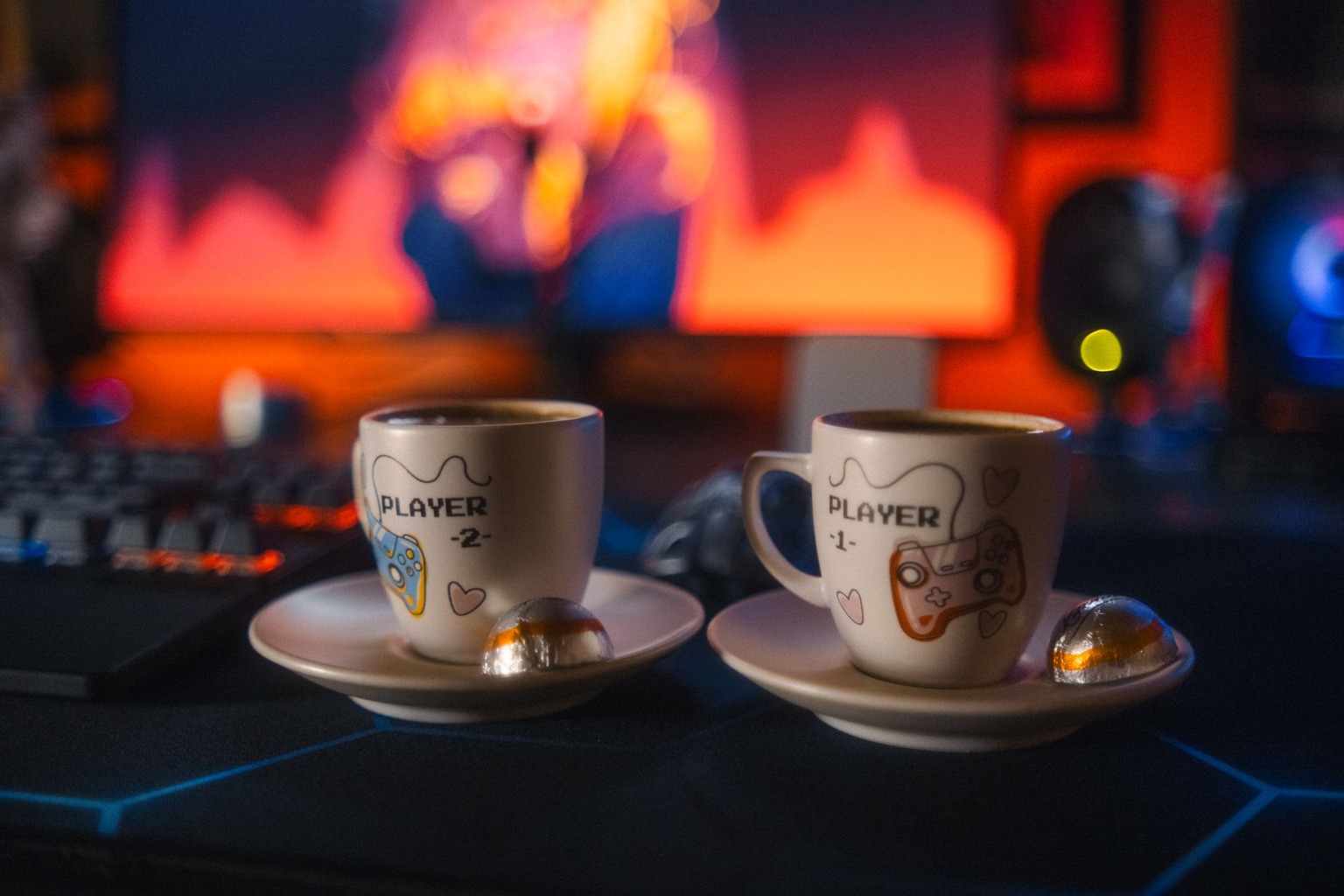
Building a sustainable routine around video games is less about restriction and more about structure. The most effective approach treats playtime as a deliberate part of your daily schedule rather than an uncontrolled block of hours that bleeds into sleep or work. By setting clear boundaries before you boot up your PC, you transform gaming from a potential source of fatigue into a genuine restorative activity. This guide walks through the specific physical, digital, and social adjustments needed to keep your gaming experience enjoyable and healthy long-term.
Set a consistent daily play schedule
Arbitrary end times lead to sessions that drag on well past the point of diminishing returns. Instead, decide on a fixed start and stop time before you launch your game, treating it like an appointment with yourself. For example, if you plan to play for three hours, set a timer that goes off at the two-hour mark as a warning to wrap up current objectives. This mental checkpoint prevents the common trap of playing one more match because you are too committed to stop.
A rigid schedule also helps your brain distinguish between leisure and obligation. When gaming has a defined slot in your day, it becomes a reward you look forward to rather than a default state you fall into out of boredom or avoidance. This shift reduces the anxiety of unstructured time and makes the actual playtime feel more valuable. You will likely find that shorter, scheduled sessions provide higher satisfaction than marathon nights that leave you drained by morning.
Write this schedule down in a visible place, such as a note on your monitor or a digital calendar entry. Externalizing the rule removes the need for constant self-discipline and decision-making during the session. If you miss the window occasionally, adjust the next day’s plan rather than letting it slide indefinitely. Consistency is the primary driver of habit formation, so tracking these times helps you see patterns in your own behavior over weeks.
Optimize your physical posture and environment
Your chair and desk setup dictate the physical toll that long sessions take on your body. Ensure your monitor is positioned at eye level to prevent neck strain, and keep your elbows bent at roughly ninety degrees while typing. The American Academy of Pediatrics and other health bodies often emphasize ergonomic alignment as a baseline for any screen-based activity, not just gaming. A simple adjustment like raising your keyboard or adding a footrest can significantly reduce lower back pain after several hours of play.
Lighting is another frequently overlooked factor that impacts both comfort and visual acuity. Avoid playing in complete darkness with a bright screen, as this high contrast forces your eyes to work harder and can lead to headaches. Use ambient room lighting or a bias light behind your monitor to reduce the strain on your pupils. This setup mimics the natural light balance your eyes are accustomed to, making long sessions feel less fatiguing by the end.
Keep water within arm’s reach to maintain hydration without breaking your flow state. Dehydration often manifests as fatigue or difficulty concentrating, which you might mistake for the need to stop playing when it is actually a physical deficit. A simple glass of water every hour keeps your cognitive function sharp and supports overall energy levels. This small habit prevents the sluggishness that typically sets in during the latter half of a long gaming session.
Implement the 20-20-20 eye rule
Digital eye strain is a direct result of staring at a fixed focal distance for extended periods without breaks. The 20-20-20 rule, recommended by optometrists worldwide, suggests that every 20 minutes you should look at something 20 feet away for at least 20 seconds. This simple exercise relaxes the ciliary muscles in your eyes, which otherwise remain tense from focusing on close objects. Incorporating this into your gameplay rhythm prevents the blurry vision and dryness that often accompany marathon sessions.
On the Doctor Eye Health channel, they explain how to prevent eye strain while gaming, and you can watch it right here.

You can sync these breaks with natural pause points in your games, such as between levels or after a match ends. This makes the rule feel less like an interruption and more like part of the gaming cycle. Use a subtle visual or audio cue from your game to remind you when it is time to look away. Over time, this habit becomes automatic, and your eyes will thank you for the regular rest periods.
If you wear contact lenses, be especially diligent about blinking and taking breaks. Contacts reduce the moisture exchange in your eyes, making them more susceptible to dryness during long screen time. Consider switching to glasses for longer sessions if you find your eyes feeling gritty or tired. Listening to your body’s signals is key; if you feel strain, take a longer break immediately rather than pushing through the discomfort.
Manage in-game spending and digital boundaries
Modern games are designed with psychological triggers that encourage continuous play and spending, often blurring the line between casual enjoyment and compulsive behavior. Set a monthly budget for any in-game purchases before you start playing, and stick to it strictly regardless of how exciting a limited-time offer might be. This financial guardrail prevents impulse buys that can quickly add up and lead to regret or financial stress. Treat microtransactions as optional extras, not necessities required for enjoyment.
Digital fatigue is another aspect of healthy habits that goes beyond physical health. Constant notifications from social media, game updates, and community forums create a background hum of pressure that reduces the restorative value of play. Designate specific times to check these channels rather than keeping them open in a second monitor or tab. This focused attention allows you to be fully present in the game world without the distraction of external digital demands.
Be mindful of how game design influences your mood and self-esteem. Competitive games can sometimes trigger strong negative emotions after a loss, which can spill over into other areas of your life. If you notice frustration becoming persistent or affecting your sleep, take a longer break from that specific title. Choosing games that match your current mood and energy level is a powerful way to maintain a positive relationship with the hobby.
Balance gaming with physical movement
Sedentary behavior during long gaming sessions contributes to muscle stiffness and reduced cardiovascular health. Integrate short bursts of physical activity into your breaks, such as stretching your arms, neck, and back for a few minutes every hour. These micro-movements improve blood flow and counteract the effects of sitting in one position for too long. Think of your body as part of your gaming rig; it needs maintenance just like any other piece of equipment to perform at its best.

Consider swapping your controller for a motion-based setup occasionally, or playing active games that involve standing and moving around the room. This variation keeps your muscles engaged in different ways and adds a layer of physical challenge to the experience. Even a five-minute walk around the house during a loading screen can make a noticeable difference in your energy levels. The goal is to break the cycle of complete stillness without disrupting the flow of your gaming session.
Plan dedicated workout times that are separate from gaming hours to maintain overall fitness. This separation ensures that gaming remains a form of relaxation rather than a substitute for physical health. If you find it hard to motivate yourself to exercise, try playing a game that requires movement immediately after a workout as a reward. This association helps build a balanced routine where both rest and activity have their proper place in your day.
Foster healthy social interactions online
The social aspect of gaming is one of its most valuable features, but it can also become a source of stress if not managed well. Choose to play with friends or community members who communicate respectfully and supportively, and do not hesitate to mute or leave groups that consistently bring you down. Toxicity in online spaces can linger in your mind long after the session ends, affecting your overall mood and self-image. Curating your social circle in gaming is just as important as curating it in real life.
Set clear boundaries between online relationships and personal time. Avoid feeling obligated to respond to messages or join sessions immediately when they come in. It is perfectly acceptable to log off without explanation if you need privacy or rest. This autonomy helps maintain a healthy perspective where gaming serves your needs, rather than you serving the expectations of your online community.
Use voice chat intentionally, muting it when you are not actively communicating with team members. Background noise from other players can be distracting and mentally taxing over long periods. Focus on meaningful interactions that enhance the game experience, such as coordinating strategies or celebrating wins together. This selective engagement keeps the social element enjoyable without adding unnecessary cognitive load to your gameplay.

I’ve been playing video games since I got my first console at age five, and I love sharing insights about the industry. Writing about game design, indie gems, and the latest releases keeps me excited about the future of gaming.