

Music in PC games transcends mere background noise, evolving into a vital component that shapes player experiences and enhances storytelling. From the 8-bit melodies of early gaming to the orchestral scores of modern titles, music has come to define the emotional landscape of the gaming world. Understanding PC game genres explained helps contextualize the role of music in shaping gameplay and player engagement.
The Evolution of Video Game Music
The journey of video game music began in the late 1970s with simple 8-bit soundtracks. Games like “Pong” and “Space Invaders” featured minimalistic tunes that served more as sound effects than musical compositions. The Evolution of computer games has been marked by significant advancements in technology, including the complexity of game music. The introduction of MIDI technology in the 1980s allowed composers to create more intricate scores, bringing a new level of artistry to video game soundtracks. Titles like “Super Mario Bros.” not only showcased catchy tunes but also established themes that players would associate with specific characters and scenarios.
By the 1990s, the gaming industry saw a significant shift with the advent of CD-ROMs, enabling the inclusion of high-quality audio. Games like “Final Fantasy VII” featured fully orchestrated soundtracks that rivaled film scores. This period marked a turning point where music was no longer just an accompaniment but a central element of the gaming experience. Today, game music ranges from fully orchestrated soundtracks to adaptive scores that change based on player actions, showcasing the ongoing innovation in this field.
The Role of Music in Enhancing Gameplay
Music plays a multifaceted role in gameplay, serving as a tool for immersion, emotional engagement, and even gameplay mechanics. In many games, the soundtrack is designed to reflect the player’s actions, heightening tension during critical moments or providing a sense of calm in exploration phases. For instance, in “The Legend of Zelda: Breath of the Wild,” the music shifts dynamically, responding to the player’s environment and actions, which enhances the sense of adventure and discovery.
Moreover, music can cue players into significant events, signaling danger or success through musical changes. In horror games like “Silent Hill,” unsettling soundscapes create a pervasive sense of dread, while triumphant scores in action games celebrate victories. This interaction between music and gameplay mechanics creates a deeper connection between the player and the game world, making every moment feel more significant.
The Emotional Impact of Video Game Soundtracks
Sound design in video games plays a crucial role in creating immersive emotional experiences for players. Game design basics emphasize how composers create soundtracks that align with narrative arcs and character developments. For instance, the haunting melodies of “Journey” resonate with themes of solitude and exploration, leaving a lasting emotional impact on players. Music can enhance storytelling by setting the mood and tone, allowing players to feel a deeper connection to the characters and their journeys.
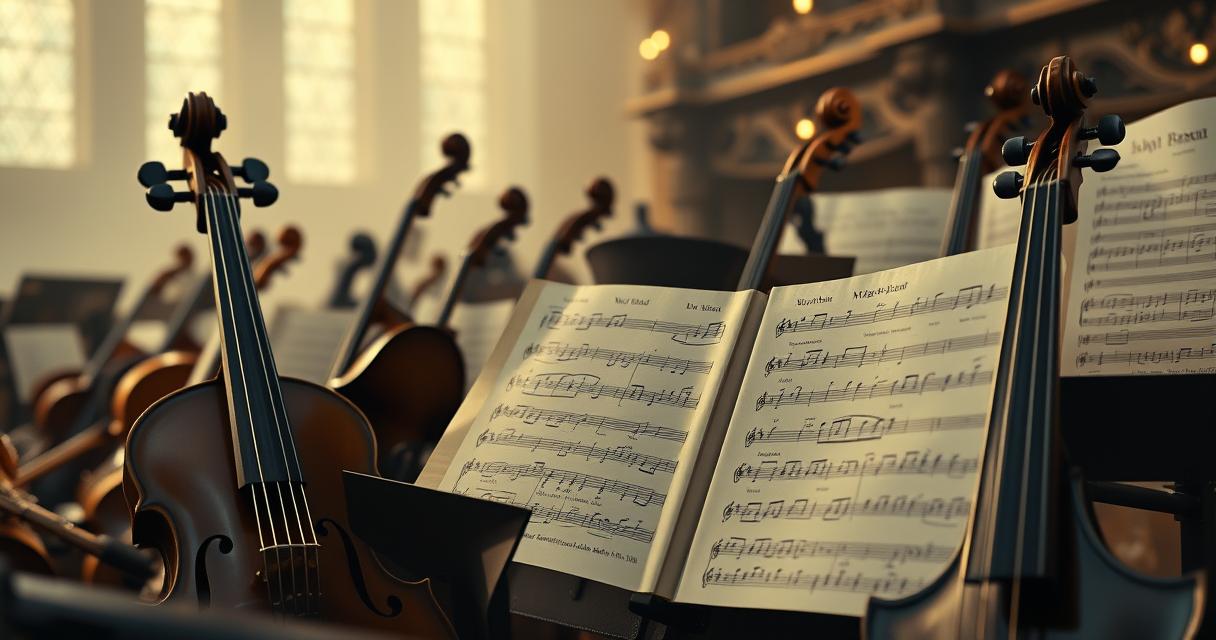
Additionally, iconic themes can become synonymous with specific games or franchises, creating a sense of nostalgia. The “Halo” series, for example, features a memorable theme that players instantly recognize. This emotional resonance not only enriches the gaming experience but also fosters a community around shared memories and experiences associated with the music.
Iconic Composers and Their Contributions
Many composers have made significant contributions to the landscape of video game music, elevating it to an art form. Nobuo Uematsu, known for his work on the “Final Fantasy” series, is celebrated for his ability to weave intricate melodies that enhance the narrative depth of the games. His compositions have been performed in concert halls worldwide, highlighting the crossover appeal of video game music.
Other notable composers include Koji Kondo, the mastermind behind the “Super Mario” and “Zelda” franchises, and Yasunori Mitsuda, known for his work on “Chrono Trigger.” These composers have not only defined the sound of their respective games but have also influenced a generation of musicians and game designers, further solidifying the importance of music in the gaming industry.
Adaptive Music in Gaming
Adaptive music represents a groundbreaking approach to video game soundtracks, allowing music to change in real-time based on player actions and environmental factors. This technique enhances immersion, as the score evolves alongside the gameplay experience. Games like “The Last of Us Part II” utilize adaptive music to reflect the emotional states of characters and the intensity of situations, creating a more personalized experience for each player.
Adaptive music systems often rely on layers of audio that can be mixed and matched depending on the game’s context. This approach not only keeps the music fresh throughout the gameplay but also allows for a unique experience during each playthrough, enhancing replayability. As technology continues to advance, the potential for adaptive music in gaming remains vast, promising even more innovative experiences for players.
The Future of Music in PC Gaming
As the gaming industry continues to evolve, the role of music is likely to expand further. With advancements in virtual reality (VR) and augmented reality (AR), immersive audio experiences will become increasingly important. Soundscapes will need to adapt not only to player actions but also to their physical movements within a 3D space, creating a more holistic gaming experience.
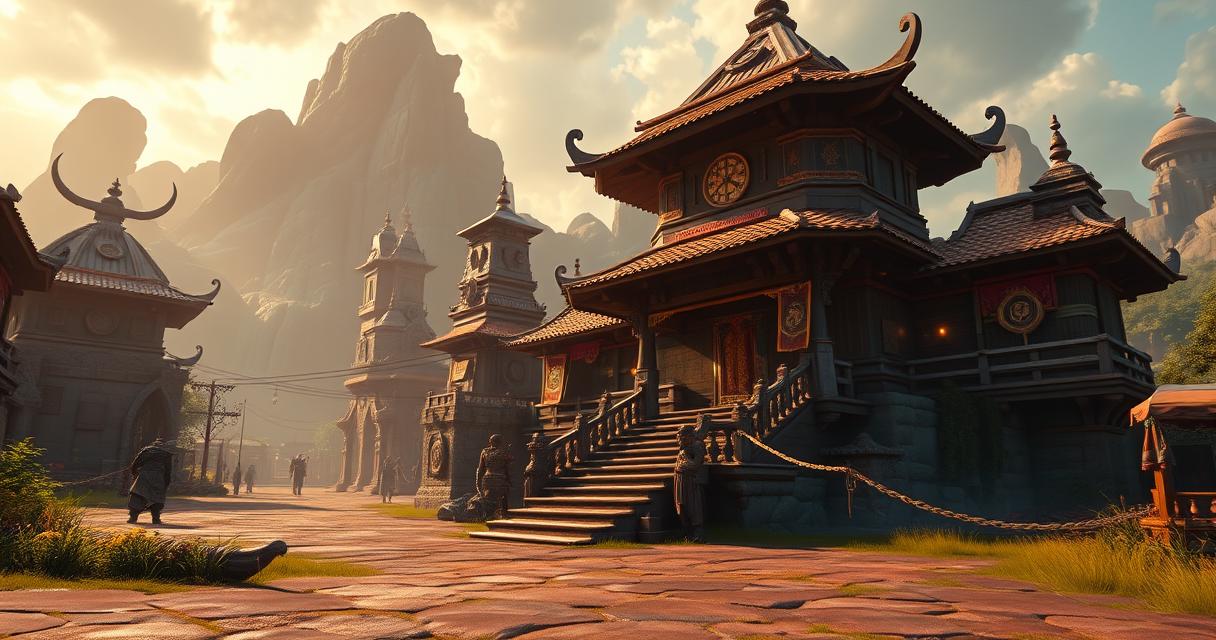
An Indie PC games overview reveals how the rise of independent developers has introduced diverse musical styles and innovative approaches. Independent developers often explore unique soundscapes that break traditional molds, offering fresh perspectives on how music can be integrated into gameplay. This trend encourages creativity and innovation, paving the way for new genres and styles that will continue to shape the future of video game music.
The Cultural Impact of Video Game Music
Video game music has transcended the gaming community, influencing popular culture in significant ways. Concerts dedicated to video game soundtracks, such as Video Games Live, have gained popularity, showcasing the artistry of game composers to broader audiences. This cultural recognition reflects a growing appreciation for video game music as a legitimate art form.
Additionally, the rise of streaming platforms has allowed gamers to share their favorite soundtracks with a wider audience, further solidifying the cultural significance of video game music. Remixes, covers, and reinterpretations of iconic themes have proliferated online, creating a vibrant community that celebrates the intersection of gaming and music. This cultural exchange continues to enrich the gaming landscape, fostering a deeper connection between players and the music that accompanies their experiences.

I’ve been playing video games since I got my first console at age five, and I love sharing insights about the industry. Writing about game design, indie gems, and the latest releases keeps me excited about the future of gaming.