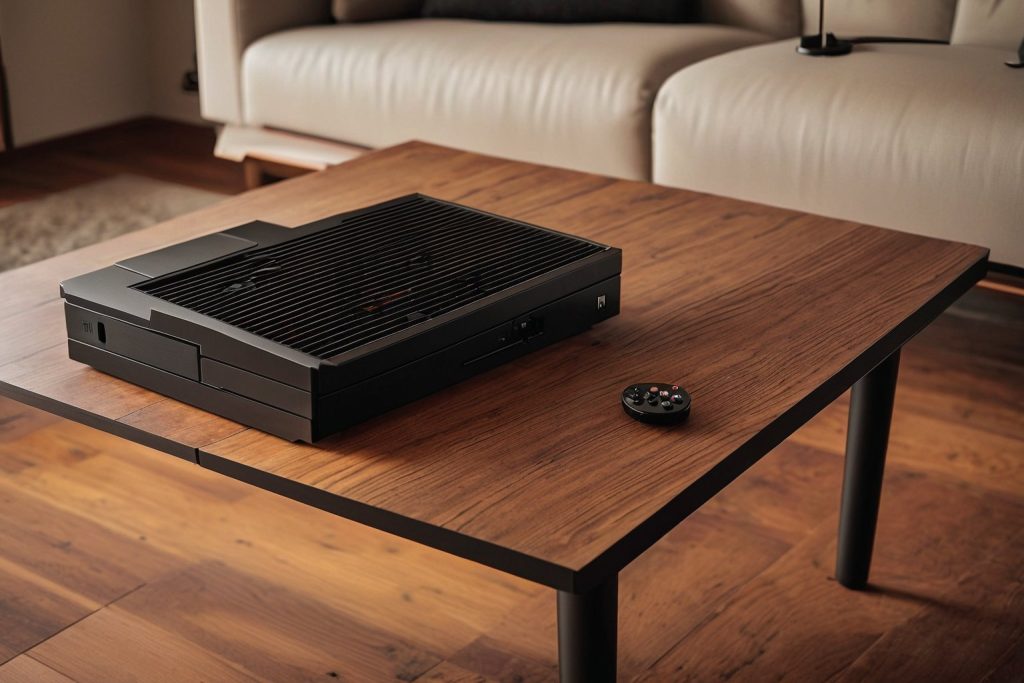
Stepping into the world of console gaming for the first time can feel like opening a treasure chest. The market offers a dazzling array of choices, from sleek next-generation systems to compact retro units that fit in the palm of your hand. Understanding what each platform brings to the table is the first step toward building a satisfying gaming library. Whether you are drawn to the latest blockbuster titles or nostalgic classics, the decision hinges on factors like game availability, online services, and the physical footprint of the device in your living space. Taking the time to map out your priorities will save you from buyer’s remorse later on.
Evaluating Performance and Game Library
When assessing a new console, processing power and game compatibility sit at the top of the checklist, plug play. Modern systems boast high-resolution outputs and fast load times, but older hardware may limit your options. A crucial consideration is the region locking of software; some units restrict titles to specific territories, while others offer a truly global library. For instance, a system marketed for North America might refuse discs or cartridges from Europe or Japan. Beyond raw specs, look at the exclusive titles each platform flaunts. Some manufacturers secure partnerships with developers to deliver experiences you cannot find anywhere else, making the choice a matter of personal taste as much as technical specification.
Connectivity and Setup Simplicity
The physical connection process is often overlooked until you are staring at a tangle of cables behind your television. Most contemporary consoles utilize HDMI as the standard interface, which carries both high-definition video and audio through a single cable. However, if you are hooking up a vintage system to an older CRT television, you may need composite or component adapters, which can muddy the picture quality. Wireless controllers have become the norm, pairing via Bluetooth to eliminate the need for long cords snaking across the room. Always check the number of controller ports available, especially if you plan to game with friends or family members in the same sitting area.
Online Services and Subscription Models
Connectivity extends beyond the home network into the realm of online multiplayer and digital storefronts. Subscription services have become the gateway to online play, offering monthly free games and deep discounts on purchase titles. These plans often tier their benefits, with higher levels providing access to classic libraries or cloud streaming features. It is wise to read the fine print regarding auto-renewal and cancellation policies, as these services can silently drain your wallet if left unmonitored. Additionally, consider the stability of the online infrastructure; a service that frequently experiences downtime can turn a competitive match into a frustrating exercise in patience.
On the META PCs channel they explain how to set up your gaming PC like a pro—you can watch it right here.

Portability versus Stationary Play
The form factor of your chosen system dictates where and how you can enjoy your games. Handheld devices offer the freedom to play on a bus, in a park, or bedridden, but their screens are naturally smaller than a living room television. Conversely, a stationary box delivers a cinematic experience but claims permanent real estate in your entertainment center. Some hybrid systems attempt to bridge this gap, allowing you to dock the unit for a big-screen experience and undock it for on-the-go sessions. Weighing your typical gaming environment against your desire for mobility will guide you toward the right physical design.
Budget Considerations and Value
Financial planning is an inescapable part of the console buying journey. Price tags can range from modest sums for entry-level units to substantial investments for premium bundles. Remember to factor in the cost of essential accessories; a second controller, a charging dock, or a protective case can add a surprising amount to the initial outlay. Sales events and bundled packages often provide better value than purchasing components separately. Keep an eye on the secondary market as well, where gently used systems can offer significant savings without sacrificing performance, provided you verify the unit’s condition and included cables.
Future-Proofing Your Investment
Technology evolves at a breakneck pace, and a console purchased today may feel outdated in a few years. Look for systems that receive regular firmware updates, which can introduce new features and improve security. Backward compatibility is another valuable trait, allowing you to play games from previous generations without holding onto older hardware. Additionally, consider the manufacturer’s roadmap; companies that have announced future peripherals or software updates signal a commitment to the platform’s longevity. Investing a bit more upfront can sometimes pay off by extending the useful life of your gaming setup.

Finalizing Your Choice Based on Play Style
Ultimately, the right console is the one that aligns with how you actually spend your leisure time. If you cherish story-driven single-player adventures, a system with a strong narrative pedigree should top your list. If competitive multiplayer fuels your passion, prioritize platforms with robust online ecosystems and low latency connections. Take the time to hold the controller in your hands; ergonomics vary wildly between brands, and a comfortable grip can make hours of play feel like minutes. By matching the hardware to your unique play style, you ensure that your gaming sessions are not just functional, but genuinely enjoyable from the first power-on to the final credits roll.

I’ve been playing video games since I got my first console at age five, and I love sharing insights about the industry. Writing about game design, indie gems, and the latest releases keeps me excited about the future of gaming.