

What Are RPG PC Games?
RPG PC games encompass a wide variety of titles where the primary focus is on assuming roles within detailed fictional universes. As role-playing games designed for the PC platform, they offer superior controls, mods, and graphical fidelity compared to consoles. Players invest hours developing their characters, forging alliances, and confronting adversaries in ways that reflect personal playstyles and creative decisions throughout lengthy campaigns.
RPG mechanics form the backbone of these experiences, featuring experience points, skill upgrades, equipment customization, and branching storylines. Combat might involve strategic party management or solo heroics, while non-player character interactions add emotional weight through voice acting and animations. Exploration often uncovers hidden areas rich with rewards and secrets that encourage thorough investigation and repeated playthroughs for optimal results.
To have PC RPG explained effectively for beginners, one must highlight the balance between action and narrative. Games in this category provide tutorials that ease players into complex systems, ensuring accessibility without sacrificing depth. The result is hours of captivating gameplay that feels personal and impactful, with meaningful choices shaping both immediate outcomes and long-term character arcs across diverse environments.
In conclusion, the enduring appeal of RPG PC games lies in their ability to transport players to other worlds where they can be anyone and achieve anything through perseverance and smart choices. This genre continues to innovate, blending traditional elements with new technologies for even more engaging adventures that reward curiosity and strategic thinking at every turn.
History and Evolution of PC RPGs
The RPG history on PC stretches back to the 1970s, when text adventures such as Zork and Colossal Cave Adventure introduced players to interactive storytelling, puzzle-solving, and character progression without any graphics. These foundational experiences sparked imagination through detailed descriptions and command-line inputs, establishing core loops that still define the genre today.
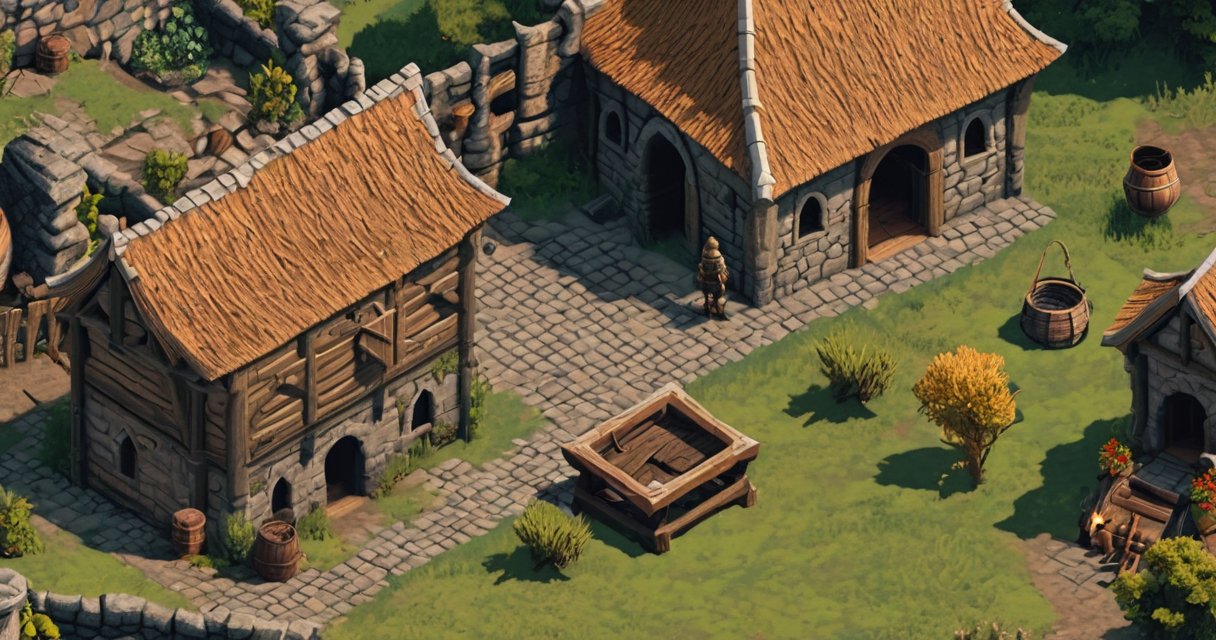
The PC RPG evolution gained momentum in the 1980s as hardware improvements enabled color graphics and sound. Classic RPG games like the Ultima series and Wizardry replaced pure text with visual maps, party-based combat, and moral decision systems, creating deeper worlds that rewarded exploration and strategic thinking.
By the 1990s, isometric perspectives and real-time elements appeared in landmark titles such as Fallout and Baldur’s Gate. These classic RPG games blended tactical depth with cinematic narratives, expanding audience reach while maintaining the emphasis on character builds and branching quests that fans loved.
The shift to full 3D in the early 2000s transformed possibilities, allowing vast open environments in The Elder Scrolls III: Morrowind and later Skyrim. Players could roam freely, encounter dynamic events, and shape stories through countless choices, moving the genre toward greater immersion and replayability.
Modern RPG trends prioritize photorealistic visuals, voice acting, and emotionally resonant storytelling in games like The Witcher 3 and Cyberpunk 2077. Developers now integrate advanced AI companions, meaningful consequence systems, and robust modding tools, ensuring PC RPGs continue evolving with cutting-edge technology and player-driven creativity.
Types of RPG PC Games
Role-playing games on PC platforms offer immersive experiences through various RPG genres. Players often seek out different types of RPGs to find the perfect match for their gaming style. Two of the most prominent categories are action RPGs and turn-based RPGs, each with unique attributes that define their appeal.
Action RPGs deliver high-energy gameplay centered around real-time interactions. Distinct features include seamless combat integration with exploration, allowing players to battle foes while navigating detailed environments. Character progression involves acquiring better equipment and abilities that can be used instantly in fights. Combat styles in action RPGs are fluid, focusing on combos, special moves, and environmental interactions. This makes them particularly attractive to target audiences who prefer intense, continuous action without interruptions, such as fans of fast-paced video games and those who enjoy hack-and-slash mechanics combined with leveling systems.
Turn-based RPGs provide a contrasting experience with emphasis on tactics and foresight. Distinct features encompass branching storylines influenced by player choices and complex systems for character stats and skills. In combat, players alternate moves with enemies, enabling the use of advanced strategies like elemental weaknesses or status effects. The combat styles encourage thoughtful analysis, suiting target audiences that value depth over speed, including those who enjoy board games or strategy titles adapted to digital formats with rich narrative layers.
Furthermore, many modern RPGs combine aspects of these styles to create innovative hybrids within the broader landscape of RPG genres. Understanding types of RPGs helps in appreciating how action RPGs and turn-based RPGs have influenced the broader gaming industry. Whether it is the adrenaline rush from action RPGs or the cerebral satisfaction from turn-based RPGs, PC enthusiasts benefit from this diversity across different demographics and preferred play styles.
Action RPGs Explained
Action RPG PC games represent a thrilling evolution in the role-playing genre, emphasizing real-time RPG combat that demands quick reflexes and strategic thinking. Unlike traditional turn-based systems, these titles deliver nonstop action where every second counts. Diablo-style games, such as the iconic Diablo series, showcase this with their addictive loot collection and monster-slaying loops. Other popular titles like Path of Exile, Grim Dawn, and Wolcen offer deep progression systems intertwined with fast-paced battles.
Fast-paced RPGs excel on PC due to the platform’s superior control options, including high-precision mice for targeting and keyboard shortcuts for abilities. This setup allows for dynamic gameplay preferences, where players can dodge attacks, chain skills, and navigate intricate environments fluidly. The result is an immersive experience that feels alive and responsive, appealing to those who crave intensity over deliberation.
Moreover, action RPG PC enthusiasts enjoy the blend of exploration, character development, and visceral combat. Games often include multiplayer elements, enabling cooperative dungeon crawls or competitive arenas. With stunning graphics and vast worlds, these titles cater perfectly to modern gamers seeking engaging, replayable content that keeps them hooked for hours.
The popularity of action RPG PC continues to grow as developers push boundaries with innovative mechanics and expansive narratives. Real-time RPG elements ensure that players remain constantly involved, fostering a sense of achievement through skillful play. Ultimately, these Diablo-style games and other fast-paced RPGs provide the perfect outlet for those who love dynamic PC gameplay preferences.
Best RPG PC Games to Play in 2024
When it comes to the best PC RPGs in 2024, enthusiasts have a wealth of options that promise unforgettable adventures. These must-play RPG PC selections are celebrated for pushing the boundaries of the genre. Among the top RPG games, several titles consistently receive acclaim from critics and players alike for their ability to blend innovation with timeless appeal.
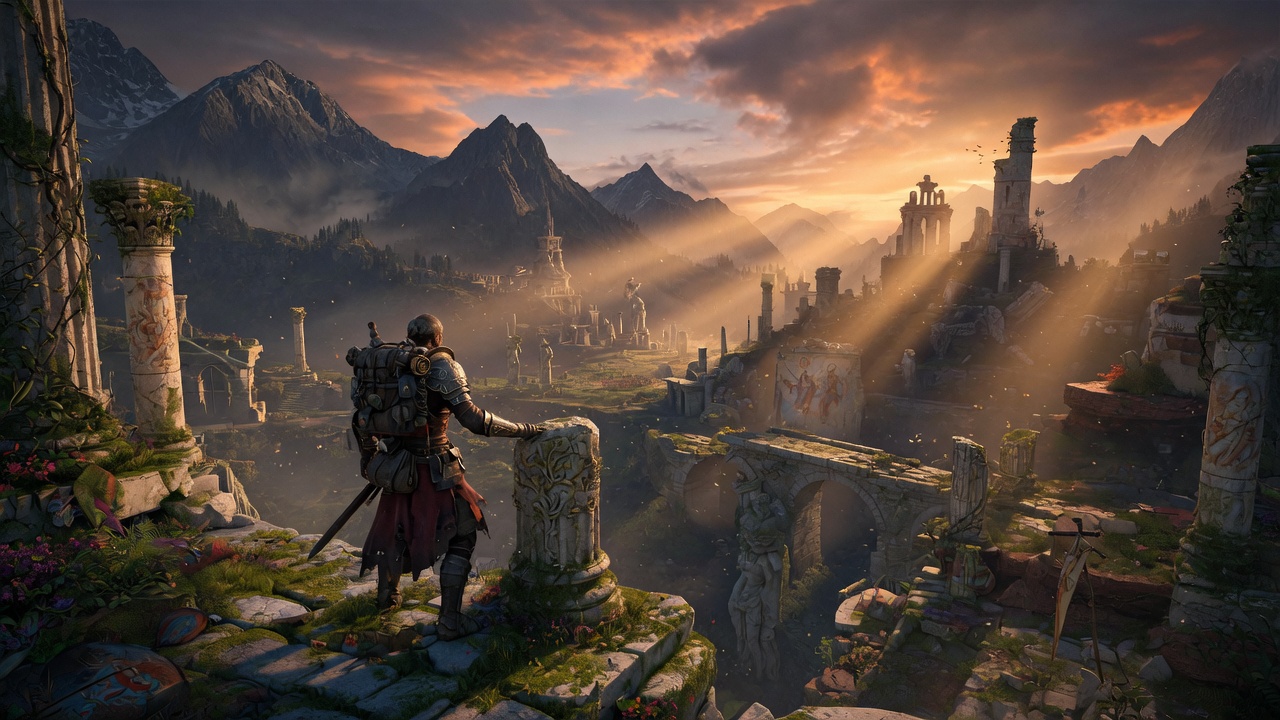
Baldur’s Gate 3 exemplifies excellence with its cutting-edge graphics that create vivid and dynamic scenes filled with intricate details. The story depth is extraordinary, allowing players to influence outcomes through intricate dialogues and alliances that feel deeply personal. Its replay value is immense, encouraging countless playthroughs with varied classes and moral paths to explore different facets of the narrative in fresh ways each time.
Elden Ring stands tall among recommended RPG titles due to its awe-inspiring graphics and expansive landscapes that reward careful observation. The story depth unfolds gradually through environmental storytelling and item descriptions, rewarding dedicated explorers who piece together the lore. Replay value is exceptional, as players experiment with diverse builds and tackle the challenging world in creative ways for new experiences and victories.
Cyberpunk 2077 delivers on its promise as one of the top RPG games with revamped graphics that make Night City pop with vibrant life. Its story depth engages through personal character arcs and philosophical themes that resonate long after completion. High replay value comes from multiple lifepaths, romance options, and divergent endings that alter the journey significantly for returning players.
The Witcher 3 continues to be a must among recommended RPG titles, featuring timeless graphics and a profoundly moving story full of twists and emotional weight. Replay value is enhanced by its wealth of content, including memorable side stories that add layers to the main plot and encourage thorough exploration over multiple runs.
In conclusion, these best PC RPGs and must-play RPG PC games offer something for everyone, blending superior visuals, narrative richness, and lasting appeal that keeps the genre thriving for current players seeking meaningful experiences.

I’ve been playing video games since I got my first console at age five, and I love sharing insights about the industry. Writing about game design, indie gems, and the latest releases keeps me excited about the future of gaming.