

Casual PC games have become a cornerstone of the modern gaming landscape, offering an inviting gateway for players who want fun without the steep commitment of hardcore titles. Whether you’re a busy professional, a student juggling assignments, or simply someone who enjoys a quick distraction after a long day, these games provide accessible experiences that fit into any schedule. In this article we’ll break down what makes a game “casual,” explore the genres that dominate the PC market, and show how you can pick the perfect title for your own play style—all while keeping the focus firmly on the world of computer gaming.
What defines a casual PC game?
A casual PC game is primarily aimed at a broad, non‑specialist audience, contrasting with titles that target dedicated hobbyists. The design philosophy centers on ease of entry: intuitive controls, minimal tutorial requirements, and a low barrier to enjoyment. Unlike “hardcore” games that often demand extensive knowledge of mechanics, complex systems, or long-term strategic planning, casual games let players jump in and start having fun within minutes. This accessibility is intentional, ensuring that anyone with a computer—regardless of age, gaming background, or hardware power—can experience the core loop without feeling overwhelmed.
From a development standpoint, casual games typically prioritize universal appeal over niche depth. They may still incorporate sophisticated graphics or narrative elements, but those features serve to enhance the immediate fun rather than to create a steep learning curve. The result is a product that feels welcoming on first play, yet can still retain enough polish to satisfy players who decide to explore it more deeply over time.
Core characteristics: simple rules, short sessions, low learning curve
The hallmark of casual gaming lies in its simplicity. Rules are usually distilled to a few core actions—click, swipe, match, or guide—so that players can grasp the objective almost instantly. This clarity reduces the cognitive load and allows the game to be enjoyed in brief bursts, often ranging from a few minutes to half an hour per session. Because the challenge is presented in bite‑size increments, players can experience a sense of progression without committing to marathon play periods.
Low learning curves also mean that casual titles often feature progressive difficulty. Early levels act as a gentle tutorial, while later stages introduce new obstacles or mechanics at a measured pace. This design keeps the game fresh without demanding mastery of intricate systems, making it easy for newcomers to stay engaged and for seasoned players to find occasional moments of relaxation.
Popular genres and examples on PC
Puzzle and match‑three games dominate the casual PC space, with titles like Bejeweled and Candy Crush Saga delivering colorful grids and satisfying chain reactions. Platformers such as Stardew Valley blend simple controls with charming visuals, offering a laid‑back exploration experience that still feels rewarding. Simulation games—think The Sims 4 or city‑building gems like Mini Metro—allow players to manage virtual worlds without the pressure of strict time limits, fostering creativity and strategic thinking at a leisurely pace.
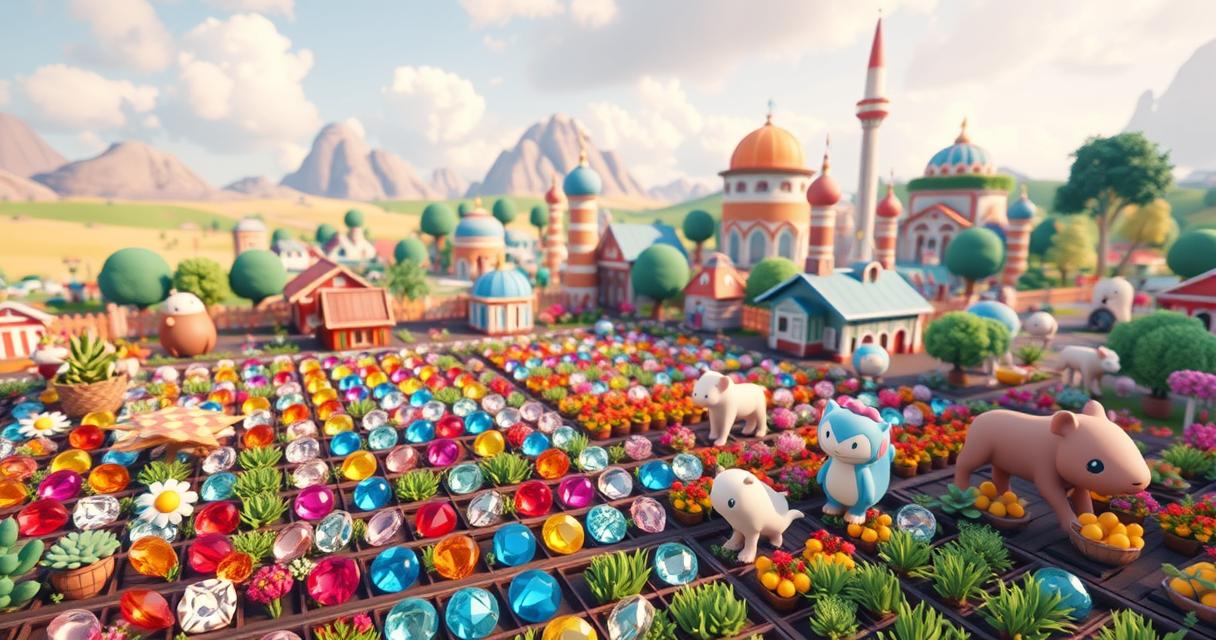
Hidden‑object adventures, endless runners, and light strategy titles also enjoy strong followings. Games like Hidden Folks challenge players to locate items in detailed scenes, while titles such as Crossy Road provide endless scrolling action that can be paused at any moment. Even modest indie releases, for example Airship Climber, showcase how a modest scope can deliver polished, enjoyable experiences that sit comfortably on the casual spectrum.
How casual games reach a mass audience: distribution and monetization
Distribution channels play a pivotal role in the popularity of casual PC games. Platforms like Steam, GOG, and Humble Bundle host extensive libraries where users can browse, purchase, or download games with a few clicks. Many titles adopt a “free‑to‑play” model, offering the core experience at no cost while monetizing through optional microtransactions, cosmetic upgrades, or expansion packs. This approach lowers the entry barrier and encourages viral sharing, as friends can recommend a game without worrying about price.
Beyond direct sales, casual developers often leverage seasonal sales, bundles, and limited‑time promotions to attract new players. The use of in‑game advertising—subtle banners or rewarded video ads—provides additional revenue streams without disrupting the overall experience. By combining accessible pricing, frequent updates, and community‑friendly platforms, casual PC games maintain a steady influx of players and sustain long‑term engagement.
Choosing the right casual game for you
Finding a casual game that matches your preferences begins with identifying the type of gameplay you enjoy most. If you love quick mental challenges, puzzle titles such as Portal 2 (which blends physics puzzles with a light narrative) can be ideal. For those who prefer a relaxing sandbox, simulation games like Planet Zoo let you build and manage environments at your own pace. Players who appreciate storytelling without heavy combat may gravitate toward visual novel hybrids, where decision‑making drives the plot forward.
Consider also the time you have available. Games with modular levels—like Celeste, which offers short, self‑contained stages—fit well into brief breaks, while open‑world experiences such as Terraria provide endless exploration for longer sessions. Checking community reviews, watching short gameplay clips, and trying free demos can help you gauge whether a title aligns with your expectations before committing to a purchase.
Benefits of casual gaming on PC
Casual PC games deliver more than just entertainment; they can serve as mental refreshers that improve focus and reduce stress. Short, engaging sessions stimulate dopamine pathways, offering a sense of achievement without the fatigue associated with marathon gaming. Because many casual titles emphasize pattern recognition and problem‑solving, they can sharpen cognitive abilities subtly over time.

Another advantage lies in social connectivity. Features such as leaderboards, cooperative challenges, or simple multiplayer modes enable players to interact with friends and strangers alike, fostering a sense of community without the commitment required by competitive esports. Moreover, the low hardware demands of most casual games mean that even modest PCs can run them smoothly, making them an inclusive option for a wide audience.
Future trends: why casual PC gaming will keep growing
The trajectory of casual PC gaming points toward continued expansion, driven by advances in cloud streaming and cross‑platform integration. Services like Xbox Cloud Gaming and NVIDIA GeForce Now allow players to access casual titles on any device, blurring the line between traditional PC and mobile experiences. As developers experiment with AI‑generated content, we can expect even more personalized gameplay loops that adapt to individual skill levels, keeping the casual experience fresh and engaging.
Additionally, the rise of indie studios and accessible development tools empowers creators to produce niche casual experiences that cater to specific interests—whether that’s relaxing farm simulators, educational puzzles, or narrative‑driven adventures. Coupled with the growing acceptance of “games as a service” models, where regular updates extend a title’s lifespan, casual PC games are poised to remain a vibrant and essential part of the gaming ecosystem for years to come.

I’ve been playing video games since I got my first console at age five, and I love sharing insights about the industry. Writing about game design, indie gems, and the latest releases keeps me excited about the future of gaming.