Cosmetic items have become a defining feature of the video game experience, turning simple visual tweaks into a multi‑billion‑dollar industry alongside mods in PC games. From character skins in battle royales to decorative weapon wraps in shooters, these virtual adornments let players shape their avatar’s appearance without affecting gameplay balance. The surge began with early titles that offered optional outfits for a small fee, but today even free‑to‑play games rely on a steady stream of new cosmetics to stay financially viable. Understanding how these items work, why players crave them, and what challenges they create is essential for anyone following the evolving economics of open world PC games.
The Evolution from Optional Skins to Core Revenue Streams
When Fortnite first introduced purchasable outfits, the idea of paying solely for looks felt novel, yet the model proved wildly successful. Within a few months the game’s revenue shifted from battle passes to a relentless cadence of limited‑time skins, emotes, and back‑blings that sold for anywhere between $2 and $20 each. Other franchises such as Apex Legends and Call of Duty followed suit, integrating cosmetic shops directly into live‑service games. The result is a market where new visual content is released almost weekly, keeping the storefront fresh and encouraging players to spend regularly to avoid missing out on exclusive designs.
Mobile titles have not been left behind; games like Genshin Impact and PUBG Mobile generate a sizable portion of their income through character outfits and weapon skins that often tie into seasonal events. Even indie developers have adopted the model, offering stylized hats or color palettes as a way to fund ongoing updates. The cumulative effect is a shift where cosmetics are no longer an afterthought but a primary pillar of competitive PC gaming’s financial strategy.
Monetization Mechanics Behind Skins and Emotes
Developers typically employ monetization models, such as tiered pricing systems, that match the perceived rarity of an item. Common skins might be unlocked through in‑game currency earned by playing, while legendary outfits require real‑money purchases or high‑value tokens. Emotes, which animate a character’s gestures, often sit at a mid‑range price point, acting as impulse buys during special events. Bundles that group several items together provide a discount incentive, nudging players toward larger transactions instead of isolated purchases.
Season passes add another layer, granting access to a curated selection of cosmetics as players progress through challenges. This approach creates a sense of progression while guaranteeing a baseline revenue stream each season. Some studios also experiment with “battle passes” that reward players with exclusive skins for completing specific milestones, blending skill‑based achievement with monetary incentives.
Player Motivation: Status, Self‑Expression, and the Thrill of Collection
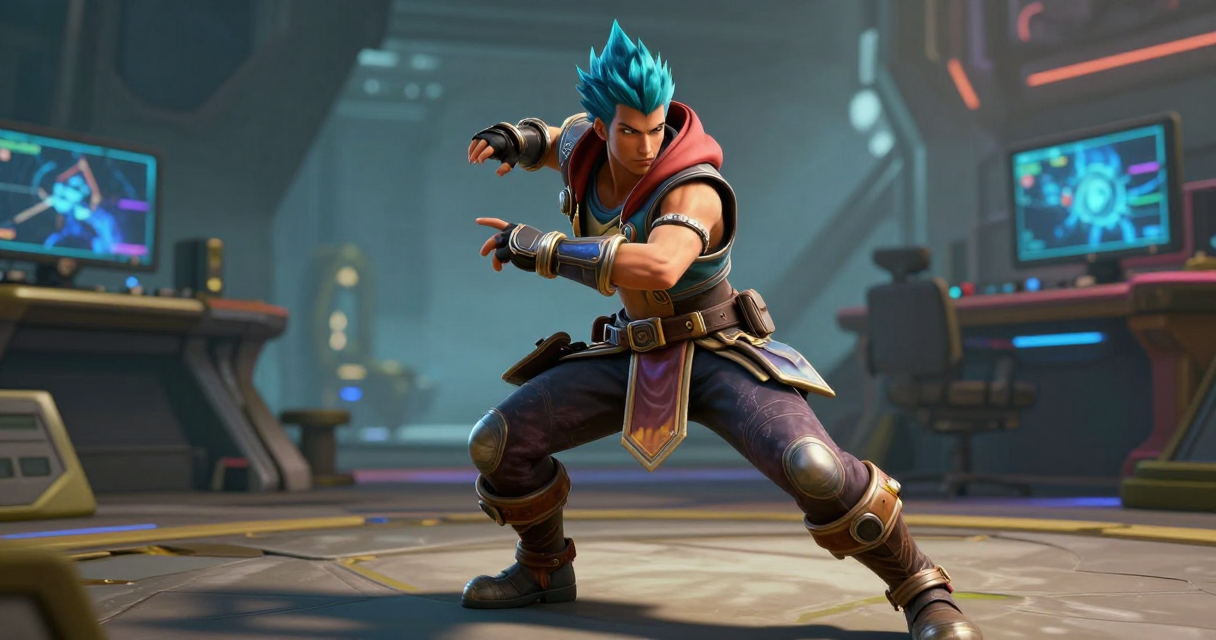
Owning a rare skin often serves as a visual badge of dedication, signaling to peers that a player has invested time or money into the game. This status effect is especially pronounced in competitive environments where a distinctive outfit can make a player instantly recognizable. Beyond prestige, many gamers enjoy the creative freedom to personalize avatars, choosing colors, patterns, and accessories that reflect personal taste or current trends.
The collector mindset fuels another dimension of demand. Limited‑edition releases, such as crossover skins featuring popular musicians or movie franchises, generate a sense of urgency. When an item is announced as available for only a few weeks, the fear of missing out drives rapid sales, and secondary markets often emerge where players attempt to trade or sell coveted pieces, even if official policies prohibit such activity.
Economic Ripple Effects: Secondary Markets and Platform Policies
Although most games forbid the resale of cosmetics, a shadow economy has formed on forums and third‑party platforms where players negotiate trades for in‑game currency or real money. This activity can inflate the perceived value of rare items, leading to price speculation similar to physical collectibles. Developers respond by tightening trade restrictions, implementing account bans for illicit transactions, and occasionally offering official trade systems that limit the scope of exchanges.
The financial implications extend to the broader ecosystem. Advertising partners often align campaigns with high‑profile cosmetic drops, leveraging the hype to reach larger audiences. Moreover, the data gathered from purchase patterns informs future content decisions, allowing studios to allocate resources toward the most profitable visual themes and adjust rarity levels to balance demand.
Controversies and Consumer Protection Issues
Loot boxes and random‑draw cosmetic packs have sparked debate over their similarity to gambling, prompting regulatory scrutiny in several jurisdictions. Critics argue that blind purchases encourage compulsive spending, especially among younger players who may lack the maturity to manage impulse buys. In response, some companies have introduced transparency measures, such as displaying drop rates for each rarity tier, aiming to give consumers clearer expectations.
Instances of controversy have also arisen when developers issue refunds for cosmetic items tied to external events. A notable case involved a popular music artist’s collaboration being withdrawn after legal complications, leading the studio to reimburse affected players. Such scenarios highlight the delicate balance between monetization and maintaining player trust, reinforcing the need for clear refund policies and responsive customer support.
Emerging Trends: Cross‑Game Cosmetics, NFTs, and User‑Generated Content
Cross‑title collaborations are gaining traction, allowing a skin purchased in one game to appear in another within the same publisher’s ecosystem. This approach not only rewards loyal customers but also encourages them to explore multiple titles, effectively expanding the user base. Early experiments have shown increased player retention when familiar cosmetics are transferable across franchises.
Non‑fungible tokens have entered the conversation, promising true ownership of digital items that can be traded on blockchain marketplaces. While the technology remains controversial due to environmental concerns and market volatility, a handful of indie PC games are testing NFT‑based skins that grant players provable scarcity. Simultaneously, many studios are empowering communities to design their own cosmetics through in‑game editors, fostering a vibrant user‑generated content scene that can be monetized via marketplace commissions.

I’ve been playing video games since I got my first console at age five, and I love sharing insights about the industry. Writing about game design, indie gems, and the latest releases keeps me excited about the future of gaming.