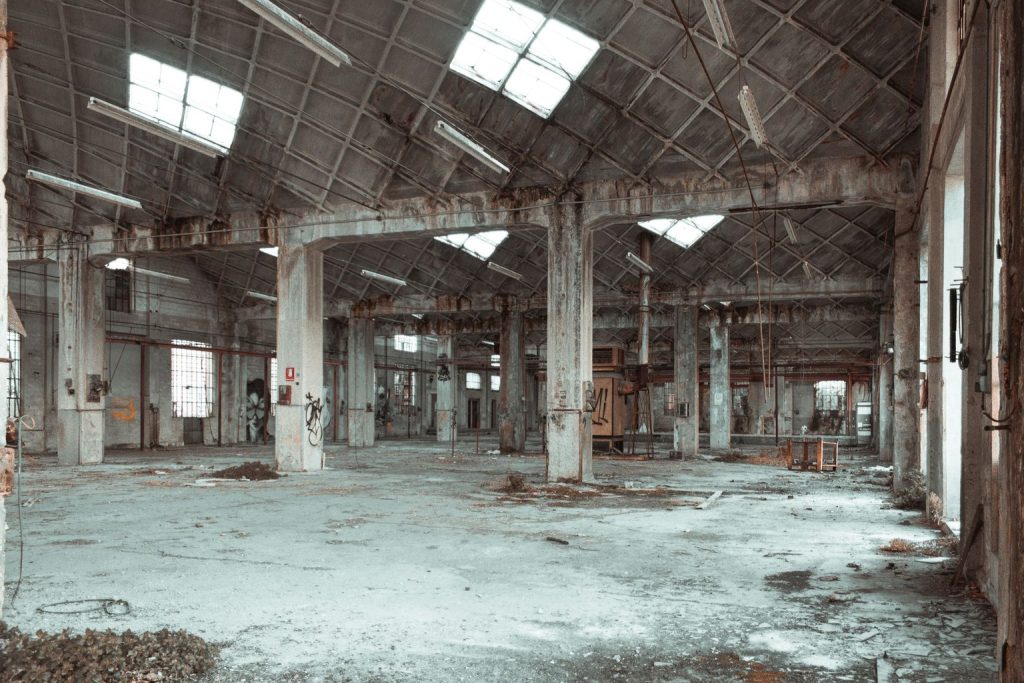
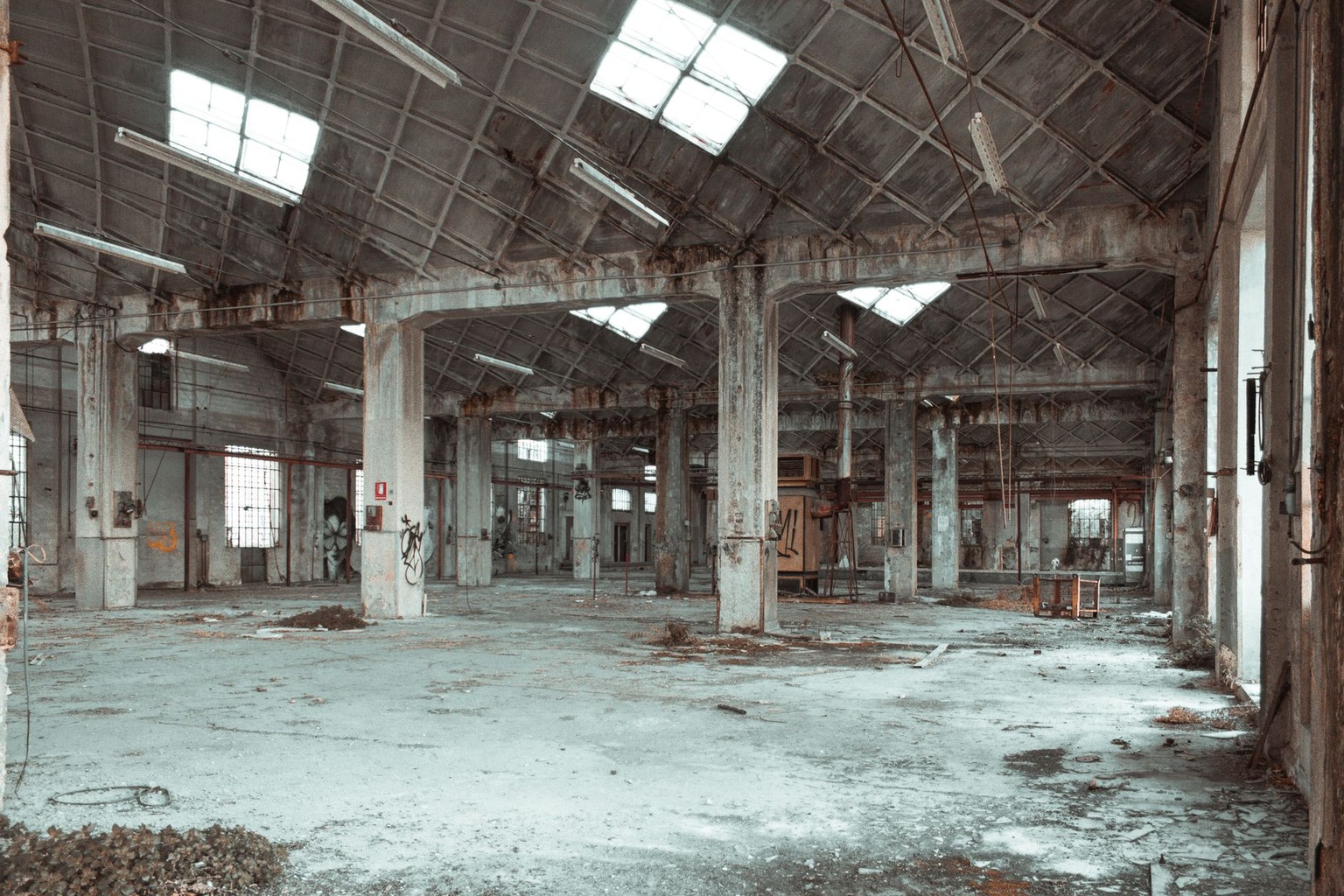
Lethal Company redefined how survival horror mechanics function in multiplayer settings by stripping away traditional safety nets and forcing players to rely on communication and spatial awareness rather than brute force. The game places four crew members in an unexplored warehouse district where the primary objective is collecting scrap metal while managing a tight timer that constantly threatens their progress. Unlike standard co-op shooters where respawns are frequent, death here is permanent for that run, meaning every misstep carries real weight and consequences that echo through the entire team’s experience. This structural choice transforms the horror from a passive atmospheric layer into an active mechanical constraint that shapes every decision the player makes during a shift. The tension does not come from scripted jump scares but from the constant possibility that a single enemy encounter can unravel hours of careful planning and resource management.
Procedural Generation as a Dynamic Threat Engine
The warehouse layouts in Lethal Company are generated procedurally, which means no two runs share the same environmental structure or enemy placement patterns. This design choice ensures that players cannot memorize safe paths or enemy spawn points, forcing them to adapt their strategies on the fly rather than relying on rote repetition. The randomization extends to item placement as well, meaning the most valuable scrap is often located in the deepest, most dangerous corners of the map. This creates a natural risk assessment loop where players must weigh the potential reward against the unknown threats lurking in unexplored areas. The system effectively turns the environment itself into a variable that shifts from run to run, keeping the tension fresh even after hundreds of hours of play.
Because the layouts are never identical, players develop a heightened sense of spatial awareness and paranoia about blind corners and unlit hallways. The game does not provide minimap markers for enemies, so navigation relies entirely on audio cues and visual observation, which significantly raises the cognitive load during exploration. This lack of direct guidance forces teams to communicate constantly about what they see and hear, turning information sharing into a core survival mechanic rather than an optional convenience. The procedural system also allows developers to introduce new enemy types and environmental hazards without breaking established player expectations or requiring massive content updates.
The integration of procedural generation with the permanent death mechanic creates a feedback loop where caution is rewarded but stagnation is punished by the timer. Players who explore too slowly risk running out of time before reaching the extraction point, while those who rush often stumble into ambushes that their cautious teammates could have avoided. This balance between urgency and danger is what makes the survival horror aspect feel organic rather than imposed, as the threat is always present but never immediately lethal unless provoked by poor decision making. The system effectively mirrors real world resource management scenarios where time pressure and risk are constant companions.
Permanent Death and the Weight of Consequence
The permanent death mechanic in Lethal Company serves as the primary driver of tension, ensuring that every player action carries significant weight and that loss is a tangible cost rather than a trivial inconvenience. When a crew member dies, they are removed from the run entirely, leaving their teammates to cover more ground with fewer hands and eyes. This reduction in team size directly impacts the group’s ability to manage enemies and collect scrap efficiently, often forcing a strategic retreat or an early extraction to save the remaining members. The psychological impact of losing a teammate mid run is profound, as it immediately shifts the group dynamic from cooperative exploration to desperate survival mode.
This mechanic also deepens the social dynamics within the team, as players are naturally more cautious when they know their actions could cost them a companion’s life. The fear of being the one who makes a mistake and gets eliminated creates a shared sense of responsibility that transcends individual play styles. Players who tend to rush in alone are forced to coordinate with their group, understanding that their aggressive approach now carries consequences for everyone else. This social pressure is a subtle but powerful tool that encourages better communication and teamwork without any direct mechanical enforcement.
The permanence of death also affects how players perceive the game’s economy and progression systems. Losing a run means losing all uncollected scrap, which represents a significant financial setback in the broader campaign structure. This stakes the entire economic loop on the success of each individual run, making the decision to push for one more crate or pull back to safety a constant internal battle. The game effectively uses loss aversion as a core mechanic, leveraging the human tendency to fear loss more than desire gain to keep players engaged and alert.
Audio Design as the Primary Survival Tool
In Lethal Company, audio cues are not merely atmospheric flourishes but essential survival tools that provide critical information about enemy location and player status. The game features distinct sound signatures for each enemy type, allowing players to identify threats before they come into visual range and plan their response accordingly. This auditory layer adds a dimension of strategy that is absent in many other survival horror titles, where visual cues are the primary method of threat detection. Players who master the audio landscape can often outmaneuver enemies by using sound to their advantage, such as luring them away from teammates or identifying safe paths through dark areas.
On the alter ego channel they cover survival horror mechanics and game analysis — you can watch it right here.
The importance of audio extends to communication between players as well, where describing what you hear becomes as important as describing what you see. A teammate calling out the specific sound of a particular enemy allows the group to react with appropriate tactics rather than guessing at the threat. This reliance on verbal description of auditory stimuli creates a unique form of teamwork that is difficult to replicate in other games, as it requires players to be articulate and attentive simultaneously. The game’s design effectively turns the voice chat into an extension of the user interface, making communication a mechanical necessity rather than just a social nicety.
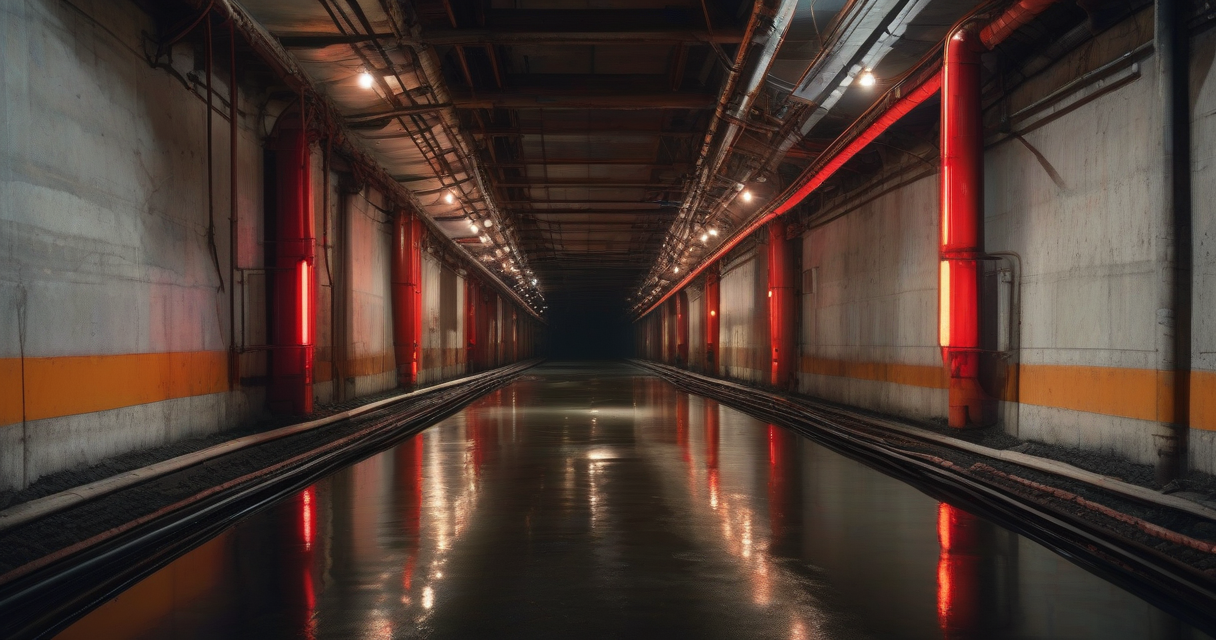
The audio design also contributes to the horror atmosphere by creating a sense of unseen presence and looming threat in the dark corners of the warehouse. The subtle sounds of dripping water, distant machinery, and the occasional scuff of a footstep in the distance build a constant low level of tension that keeps players on edge. This ambient audio layer works in tandem with the explicit enemy cues to create a rich soundscape that is both informative and unsettling. The result is an experience where listening carefully is not just helpful but essential for survival, making the player’s ears as important as their eyes.
Lighting Mechanics and Visibility Constraints
The lighting system in Lethal Company uses dynamic light sources that are limited in range and intensity, creating pockets of safety and danger that shift based on player movement. Flashlights are a critical resource that players must manage carefully, as running out of batteries in the dark is a guaranteed way to meet an early demise. This constraint forces players to plan their routes with lighting in mind, often choosing slightly longer but better lit paths over shorter, darker ones. The interplay between light and shadow adds a layer of tactical depth to combat, as enemies can be lured into illuminated areas where they are easier to track and attack.
The limited visibility also enhances the psychological horror element by restricting the player’s field of view and forcing them to imagine what lies in the darkness. The human mind naturally fills in gaps with fear, and the game exploits this by providing just enough visual information to be unsettling without being fully informative. Players must rely on their senses and instincts to navigate these low visibility environments, which creates a more immersive and personal horror experience than games that provide full map visibility. This design choice ensures that every step into the dark is a deliberate act of courage rather than a routine traversal.
Furthermore, the lighting mechanics interact with the procedural generation system to create unique environmental challenges for each run. Certain areas may be naturally darker due to structural features, while others might have flickering lights that provide intermittent visibility. These variations require players to adapt their navigation strategies on the fly, as a path that was safe in one run might be treacherous in another due to different lighting conditions. The game effectively uses light as a variable that can turn a routine exploration into a high stakes survival scenario with little warning.
Economic Pressure and Resource Management
The economic system in Lethal Company ties directly into the survival horror mechanics by creating a constant pressure to maximize efficiency and minimize risk. Players must purchase equipment upgrades and new gear between runs, which requires a steady stream of scrap metal that can only be obtained by surviving dangerous excursions. This creates a loop where the desire for better gear drives players to take greater risks in the warehouse, potentially leading to more deaths and lost resources. The tension between greed and caution is a central theme that keeps the gameplay fresh and engaging over long periods.
The cost of failure is magnified by the economic stakes, as losing a run means losing not only time but also potential income that could have been used to upgrade equipment. This financial penalty encourages players to be more strategic in their approach, carefully planning their routes and managing their resources to ensure a successful extraction. The game effectively uses economic pressure as a non violent threat that is just as compelling as physical danger, keeping players motivated to improve their skills and tactics. This system also adds a layer of long term progression that rewards consistent success over short term luck.
The integration of economic management with survival mechanics creates a unique gameplay loop where every decision has multiple layers of consequence. Choosing to buy a new flashlight battery or save money for a weapon upgrade is a strategic choice that impacts the player’s ability to survive future runs. This depth of decision making ensures that no two runs feel exactly alike, as the player’s current economic status and equipment loadout will influence their approach to each mission. The game effectively turns resource management into a core part of the survival horror experience, making every dollar earned feel like a victory over the chaotic environment.
Enemy AI Behavior and Predictable Unpredictability
The enemy AI in Lethal Company is designed to be predictable in its patterns but unpredictable in its execution, creating a dynamic where players can learn from mistakes without feeling cheated by random behavior. Each enemy type has a distinct set of behaviors that can be studied and exploited, such as the way certain enemies are attracted to sound or light. This allows players to develop counter tactics that feel earned and satisfying, as they are using their knowledge of the game’s systems to their advantage. The AI does not rely on pure randomness but instead uses a set of rules that create emergent chaos through interaction with the environment and player actions.
The predictability of enemy behavior also allows for strategic planning during runs, where players can anticipate where enemies might appear based on the layout and their own movement. This anticipation adds a layer of tension to exploration, as players must constantly be aware of their position relative to potential enemy zones. The AI’s response to player actions is immediate and consistent, ensuring that every interaction feels fair and responsive rather than arbitrary. This design philosophy respects the player’s intelligence by providing clear rules to work within, rather than hiding the game’s logic behind opaque algorithms.
The combination of predictable AI patterns with procedural generation ensures that players are never completely safe but always have a chance to succeed if they are prepared. The enemy behaviors are consistent enough to be learned but varied enough to prevent the gameplay from becoming stale or repetitive. This balance is what allows Lethal Company to maintain its status as a challenging and engaging survival horror experience, where skill and knowledge are rewarded over luck or brute force. The AI system effectively serves as a dynamic opponent that adapts to the player’s approach without ever feeling unfair or broken.
Multiplayer Communication as a Core Mechanic
Communication in Lethal Company is not an optional add on but a core mechanic that directly impacts survival chances and run efficiency. The game lacks a built in ping system for marking enemies or items, forcing players to use voice chat to share critical information in real time. This reliance on verbal communication creates a natural hierarchy of information sharing, where the player who spots a threat first must clearly and quickly convey its location and type to their team. The absence of automated tools ensures that communication skills are as important as mechanical skill in determining success.
The social dynamics of forced communication also lead to unique emergent behaviors, such as teams developing internal codes or shorthand for common threats and situations. This organic development of language within a group adds a personal layer to the experience that is difficult to replicate in single player games. The need to talk constantly also fosters a sense of camaraderie and shared responsibility, as players are invested in each other’s success and survival. The game effectively turns the voice chat into a survival tool that is as essential as any weapon or piece of equipment.
The emphasis on communication also highlights the importance of trust within a team, as players must rely on their teammates to report accurately and act on shared information promptly. A breakdown in communication can lead to confusion and disaster, while effective coordination can turn a hopeless situation into a successful extraction. This social layer adds depth to the survival horror mechanics by introducing human error and collaboration as variables that are just as important as enemy AI or resource management. The game recognizes that horror is often more effective when shared with others, making multiplayer communication a key part of its design identity.

I’ve been playing video games since I got my first console at age five, and I love sharing insights about the industry. Writing about game design, indie gems, and the latest releases keeps me excited about the future of gaming.