Origins of PC Gaming
The origins of PC gaming can be traced back to the early days of computing when the first video games began to emerge. Long before the widespread adoption of personal computers, the computer gaming history was largely centered around mainframes and minicomputers in academic and research settings. However, as microcomputers and early PCs became more accessible in the 1970s and 1980s, the landscape of gaming experienced a significant shift, giving birth to a vibrant culture of early PC games.
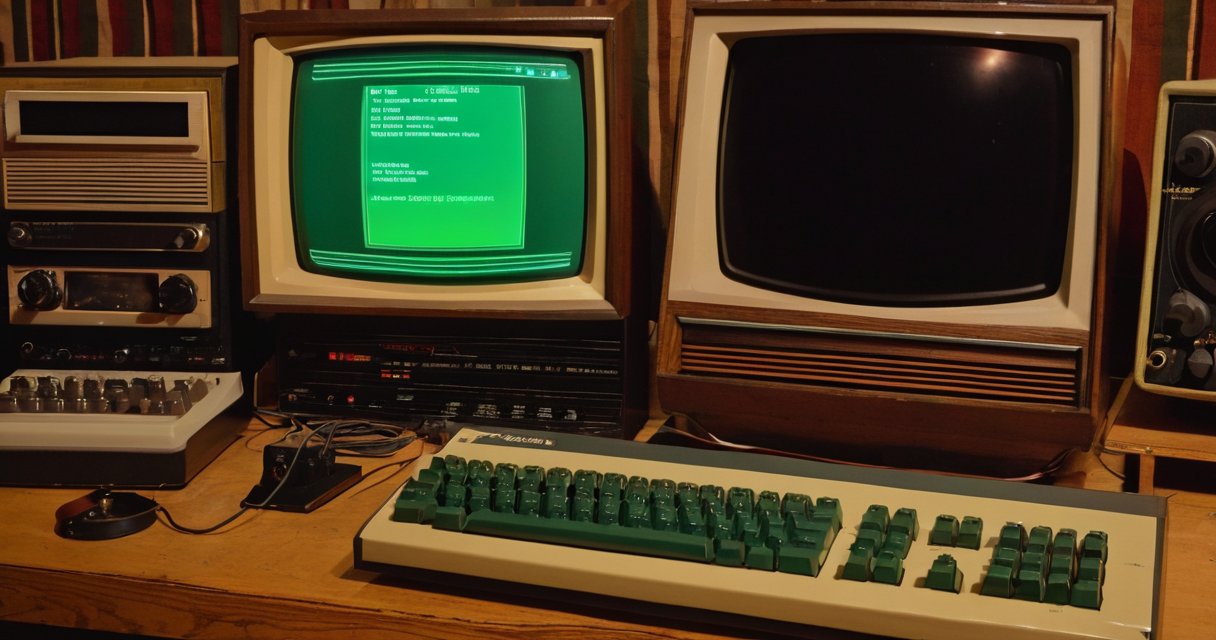
One of the pioneering moments in the computer gaming history was the development of the first video games designed specifically for computer systems. Titles such as “Pong,” although initially designed for arcade machines, inspired early developers to create similar experiences on personal computers. This era witnessed the creation of text-based games like “Colossal Cave Adventure” and “Zork,” which utilized the limited graphics capabilities of early PCs to deliver imaginative and immersive storytelling through text interfaces.
During the late 1970s, the first microcomputers such as the Apple II, Commodore PET, and TRS-80 opened up new possibilities for gaming. These systems enabled developers to program and distribute early PC games to a growing user base. Notably, the Apple II became a popular platform for game development, supporting the emergence of titles that combined simple graphics with engaging gameplay. This period also saw the creation of early strategy and simulation games, which leveraged the computational power of PCs to deliver experiences distinct from arcade-style action games.
By the 1980s, the foundation of PC gaming was firmly established with the release of iconic games that would influence the industry for decades. Games like “King’s Quest,” “Ultima,” and “Wizardry” introduced complex narratives and role-playing elements into the PC gaming world, demonstrating the potential of personal computers as platforms for immersive entertainment. These early PC games not only showcased technological advancements but also reflected the creativity and innovation that would define the computer gaming history in the years to come.
Overall, the origins of PC gaming are rooted in the pioneering spirit of the 1970s and 1980s, where the first video games created for PCs laid the groundwork for a dynamic and diverse industry. This period marked the beginning of a new chapter in gaming history, transitioning from simple experiments on large mainframes to accessible, engaging games played on personal computers worldwide.
The Rise of Home Computers
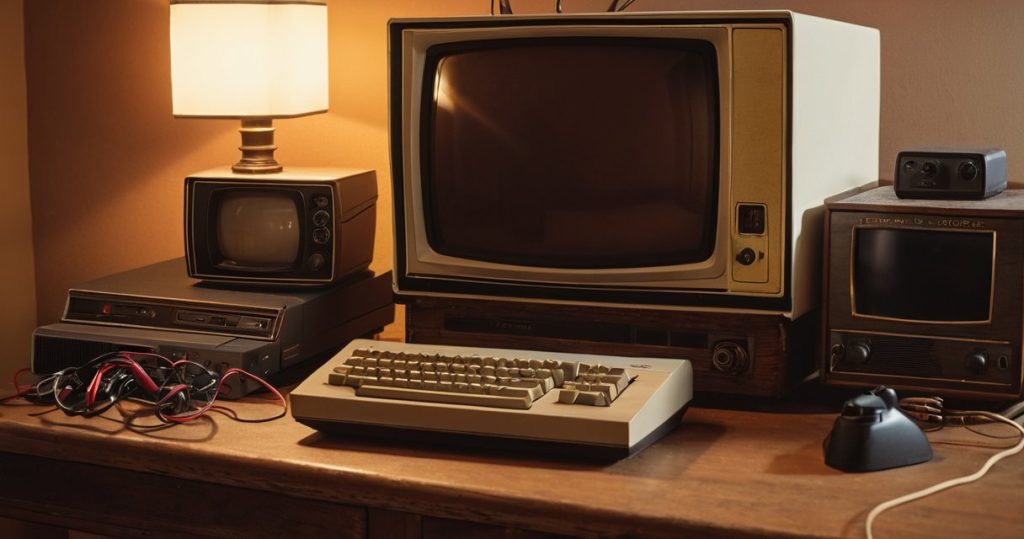
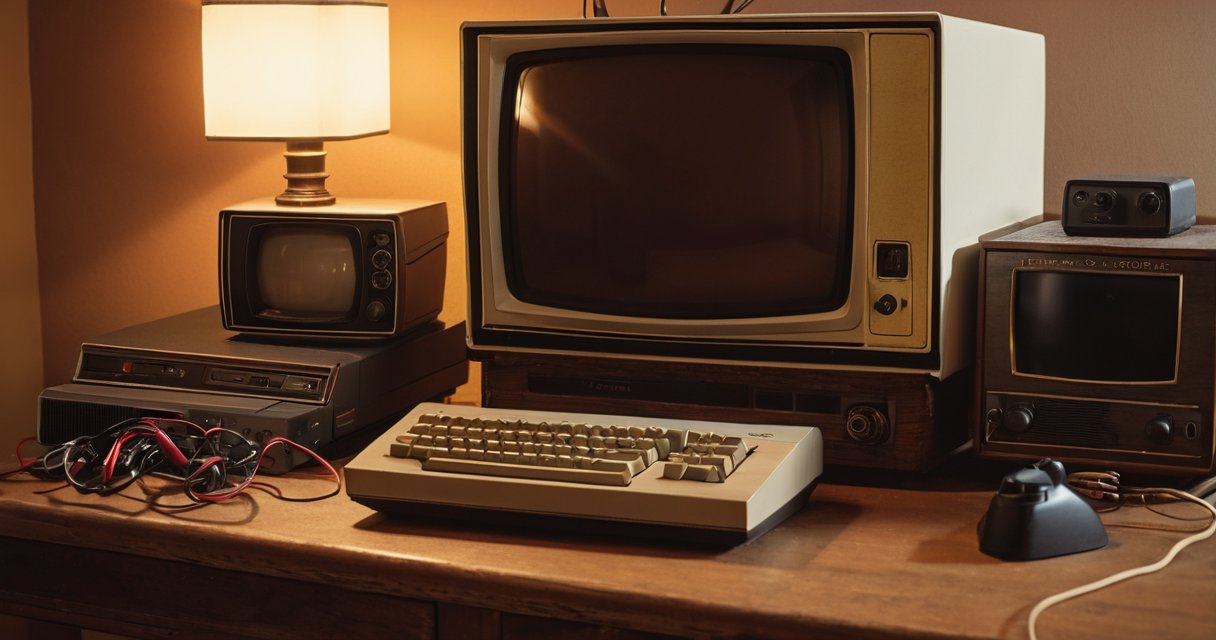
The introduction of home computers in the late 1970s and early 1980s marked a pivotal moment in the history of PC gaming. Devices like the Commodore 64 and the IBM PC were among the first widely accessible gaming platforms that brought advanced computing power directly into people’s homes. This transition from arcades and mainframe systems to personal hardware significantly expanded the gaming audience and set the stage for rapid innovation in digital entertainment.
The Commodore 64, in particular, became a household name thanks to its affordability and impressive graphics and sound capabilities for the time. Its built-in sound chip and color display allowed developers to create more engaging and immersive games than ever before. Meanwhile, the release of the IBM PC and its compatibles offered a versatile and open hardware architecture, which encouraged a growing community of developers to produce diverse and complex games. This flexibility in early PC hardware helped shape the future of gaming by fostering an environment where creativity and technical experimentation could flourish.
As home computers became more prevalent, they transformed from simple computing tools into multifunctional devices capable of running sophisticated games. This evolution fueled the growth of gaming platforms that were no longer confined to dedicated consoles or arcades, allowing for increased variety and depth in gameplay. Ultimately, the rise of home computers laid the foundation for the modern PC gaming landscape, fostering a culture of innovation that continues to thrive today.
Golden Age of PC Gaming in the 1990s
The 1990s marked a golden age of PC gaming, characterized by rapid gaming advancements and the release of numerous popular PC game titles that would go on to shape the industry for decades. This era witnessed significant technological progress that allowed developers to push the limits of graphics, sound, and gameplay mechanics, establishing the PC as a dominant gaming platform alongside consoles.
One of the key gaming advancements of the 1990s was the introduction of improved 3D graphics rendering capabilities, enabled by faster processors and the rise of dedicated graphics cards. This technological leap paved the way for immersive game worlds with realistic textures and dynamic lighting. Additionally, innovations like Sound Blaster audio cards enhanced sound quality, delivering richer audio experiences that complemented the evolving graphics.
The decade also saw the popularization of genres such as first-person shooters, real-time strategy, and role-playing games, thanks to the creative risk-taking of developers and the increasing power of PC hardware. Landmark titles such as Doom and Quake set new standards for first-person shooters, featuring fast-paced action and advanced multiplayer modes that fostered online communities.
In the strategy genre, games like Command & Conquer and Warcraft revolutionized gameplay with real-time tactics, compelling storylines, and multiplayer capabilities that kept players engaged for hours. Meanwhile, role-playing games such as Baldur’s Gate and Fallout offered deep narratives and extensive character customization, cementing the PC’s reputation as a platform for complex and immersive storytelling.
Moreover, the rise of CD-ROM technology during the 1990s increased storage capacity dramatically, allowing for larger game worlds, full-motion video sequences, and enhanced audio. This advancement contributed to the elevated production values seen in popular PC game titles throughout the decade. The ease of updating and expanding games also became an emerging trend, setting the stage for future downloadable content and expansions.
The 1990s truly stand out as a transformative period for PC gaming. The combination of groundbreaking gaming advancements and a rich variety of popular PC game titles not only attracted a growing player base but also established foundations that continue to influence gaming culture and development today.
Evolution of Graphics and Sound
The journey of PC gaming has been deeply influenced by the rapid evolution of graphics and sound technology. In the early days, limited visual and audio capabilities constrained the level of game immersion. However, with the advent and continuous advancement of graphic cards, the visual fidelity of games dramatically improved, allowing developers to create more detailed and realistic worlds.
Graphic cards evolved from simple 2D accelerators to sophisticated 3D rendering engines, pushing the boundaries of what was possible in game design. This shift enabled the introduction of lifelike character models, dynamic lighting, and complex textures, fundamentally transforming the player’s experience. As a result, gamers began to feel more connected to the virtual environments they explored.
Simultaneously, sound cards played a crucial role in enhancing immersion through richer, more dynamic audio. Early PCs relied on basic beeps and tones, but sound cards introduced multi-channel audio, MIDI support, and digital sound effects. These improvements allowed games to deliver atmospheric soundscapes, realistic effects, and engaging musical scores, all of which heightened emotional engagement and realism.
The combined advancements in graphic cards and sound cards revolutionized PC gaming by creating a more immersive and captivating experience. Players could not only see but also hear their virtual surroundings with unprecedented clarity, making gaming sessions more enjoyable and memorable than ever before. This era set the foundation for future innovations that continue to define game immersion today.
Modern PC Gaming Trends
In recent years, the world of PC gaming has undergone remarkable transformations, driven by advances in technology and shifting player preferences. One of the most significant trends shaping the modern landscape is digital distribution. Unlike the early days when physical discs dominated, digital downloads now allow gamers instant access to a vast library of titles. Platforms like Steam, Epic Games Store, and GOG have revolutionized how players acquire games, offering convenience, frequent sales, and community features all in one place. This shift not only makes gaming more accessible but also opens up opportunities for indie developers to reach global audiences without traditional publishing barriers.
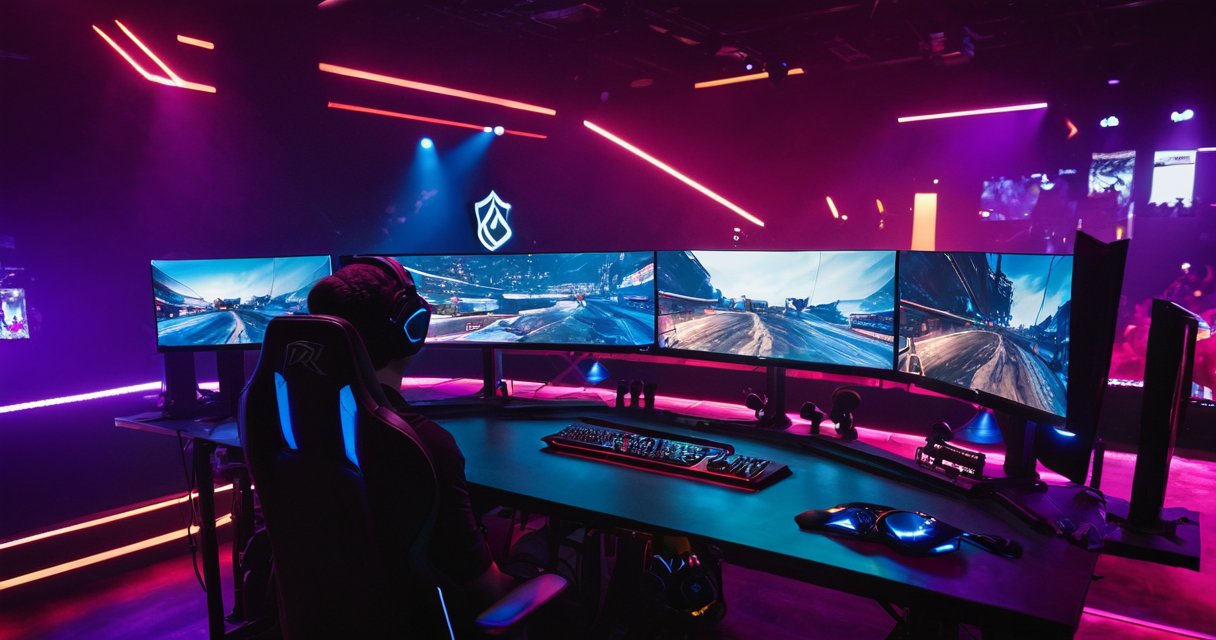
Another major development that has dramatically influenced PC gaming is the rise of esports. Competitive gaming has evolved from niche tournaments to massive global events drawing millions of viewers and substantial sponsorships. Games such as League of Legends, Counter-Strike: Global Offensive, and Dota 2 have established professional scenes with organized leagues and world championships. Esports has fostered a vibrant community where players compete at the highest level, while fans rally around their favorite teams and personalities. This competitive spirit has encouraged developers to design games with balanced mechanics and spectator-friendly features, elevating PC gaming into a recognized sport.
Virtual reality (VR) gaming is another transformative trend pushing the boundaries of immersive gameplay. Although VR has been met with some challenges like hardware costs and content availability, it continues to gain traction as technology improves. Modern VR headsets offer high-resolution displays, precise tracking, and ergonomic designs, enabling players to step inside game worlds in unprecedented ways. Titles like Half-Life: Alyx and VRChat showcase the potential for storytelling and social interaction within virtual spaces. As VR technology advances and becomes more affordable, it promises to redefine how gamers experience PC titles, blending physical movement with digital environments for truly immersive play.
Taken together, these trends — digital distribution, esports, and VR gaming — are reshaping the PC gaming industry. They emphasize greater accessibility, competitive interaction, and enhanced immersion, reflecting the evolving desires of the gaming community. As innovations continue to emerge, the future of PC gaming looks brighter than ever, blending tradition with cutting-edge advancements to capture the imagination of players worldwide.
Impact of Online Multiplayer
The advent of online gaming brought a monumental shift to the world of PC gaming, forever altering both its social and competitive dimensions. Multiplayer PC games enabled players to connect with friends and strangers alike, breaking down geographical barriers and creating vibrant gaming communities worldwide. This new level of connectivity transformed gaming from a predominantly solitary pastime into a deeply social experience.
Online multiplayer features fostered the rise of collaborative and competitive play, allowing for real-time interaction that heightened the thrill and complexity of gameplay. Players could team up for cooperative missions or face off in intense competitive matches, driving the growth of esports and fostering a sense of camaraderie and rivalry within gaming communities. These interactions enhanced players’ engagement and investment in games, redefining how success and skill were measured.
Moreover, online gaming facilitated the evolution of community-driven content, with forums, clans, and social media groups enriching the gaming landscape. These communities became spaces for sharing strategies, organizing tournaments, and supporting game development through feedback and modding. The social network aspect of multiplayer PC games has not only expanded the player base but also cultivated passionate, enduring communities that continue to influence the industry today.

I’ve been playing video games since I got my first console at age five, and I love sharing insights about the industry. Writing about game design, indie gems, and the latest releases keeps me excited about the future of gaming.