The Essence of Indie Game Development
Indie games represent a unique segment of the gaming industry, often characterized by their creative freedom, innovative gameplay, and personal storytelling. Unlike mainstream games developed by large studios, indie games are typically created by small teams or even single developers who are passionate about their craft. This independence allows for experimentation with unconventional game mechanics and artistic styles that may not fit into the corporate mold. The indie game movement has gained significant traction over the years, contributing to a vibrant ecosystem that fosters creativity and diversity in gaming.
The Conceptualization Phase
The journey of creating an indie game begins with the conceptualization phase, where developers brainstorm ideas that are often driven by personal experiences or artistic visions. This stage is crucial as it lays the groundwork for the entire project. Developers may sketch out storylines, characters, and gameplay mechanics, often drawing inspiration from their favorite games, films, or literature. A strong concept not only serves as the foundation for development but also helps in pitching the game to potential collaborators or investors. Many successful indie games, like “Celeste” and “Hollow Knight,” started as simple concepts that evolved into beloved titles through iterative design.
Choosing the Right Tools and Technologies
Once the concept is solidified, developers must choose the right tools and technologies to bring their vision to life. Popular game engines such as Unity and Unreal Engine provide robust platforms for indie developers, offering a wide range of features for graphics, physics, and sound. Unity, in particular, is favored for its user-friendly interface and extensive community resources, making it accessible for newcomers. Additionally, developers often rely on programming languages like C# or C++ to script gameplay and interactions. The choice of tools can significantly impact the development process, influencing everything from game performance to visual fidelity.
Art and Sound Design
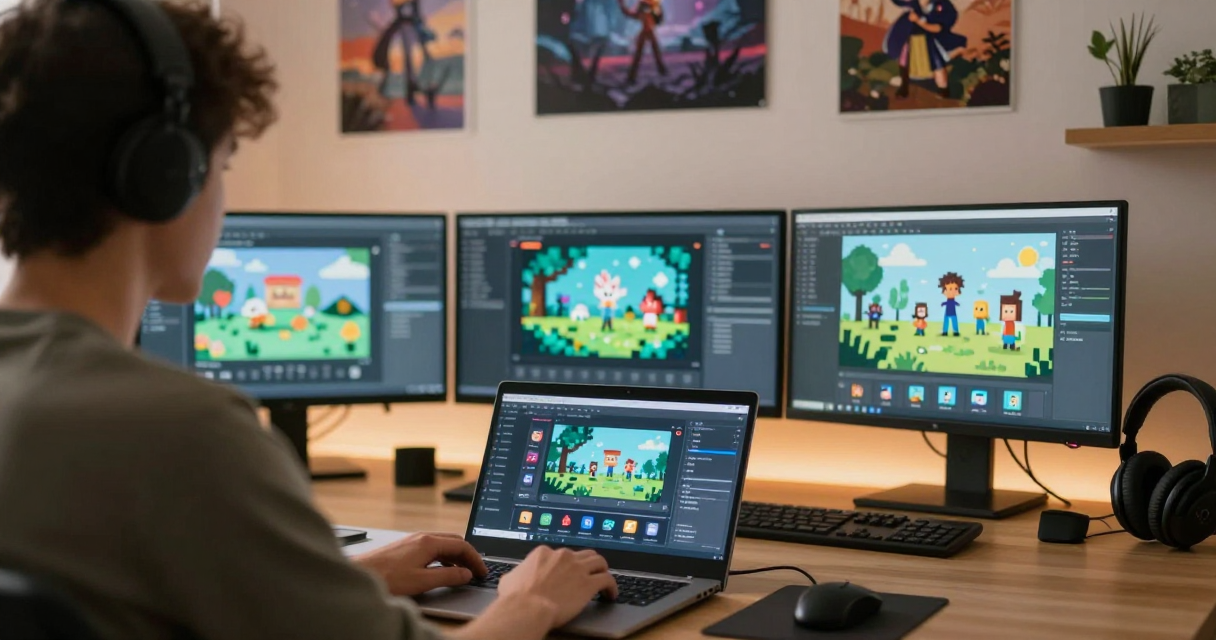
Art and sound design play pivotal roles in shaping the player experience. Indie developers often wear multiple hats, taking on responsibilities that may include creating pixel art, 3D models, or animations. The visual style of a game can set it apart in a crowded market, with many indie titles opting for distinctive art styles that reflect their themes. For example, “Cuphead” is renowned for its hand-drawn animation reminiscent of 1930s cartoons. Similarly, sound design, including music and sound effects, enhances immersion and emotional resonance. Indie developers frequently collaborate with musicians or sound designers to create original scores that complement the gameplay.
Game Development and Iteration
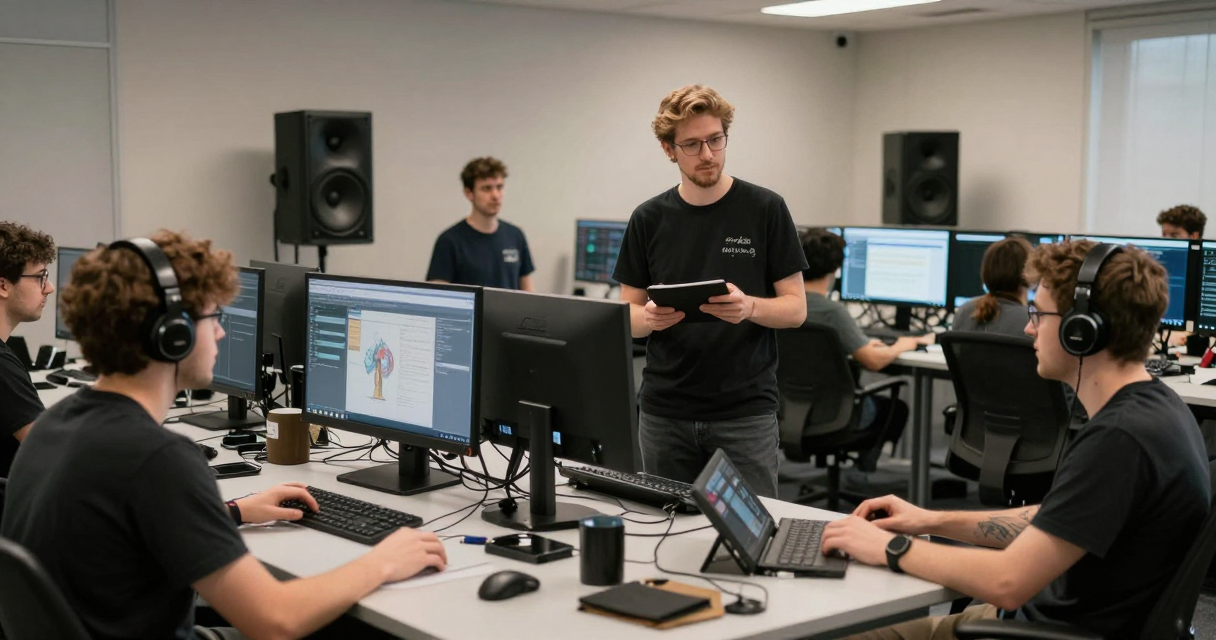
The actual development process involves coding, asset creation, and continuous testing. Developers often adopt an iterative approach, where they build a prototype and refine it based on feedback. Playtesting is essential during this stage, as it provides insights into gameplay mechanics and user experience. Many indie developers share early versions of their games on platforms like Steam or itch.io to gather player feedback and iterate on their designs. This feedback loop allows for adjustments that can significantly improve the final product, ensuring the game resonates with its target audience.
Marketing and Community Engagement
After months or even years of hard work, the marketing phase begins, which is crucial for the success of an indie game. Unlike large studios that have significant marketing budgets, indie developers often rely on grassroots efforts to promote their games. Building a community around the game through social media, forums, and gaming conventions can create buzz and anticipation. Developers frequently share development updates, behind-the-scenes content, and engage with fans to foster a loyal following. Platforms like Twitch and YouTube are also invaluable for showcasing gameplay and generating interest, with many indie titles gaining traction through streamers and influencers.
Funding and Distribution Challenges
Securing funding is one of the biggest challenges for indie developers. Many turn to crowdfunding platforms like Kickstarter or Indiegogo to raise capital, allowing them to gauge interest and build a community before launch. However, not all campaigns succeed, and developers must be prepared to explore alternative funding options, such as grants or private investment. Distribution also poses challenges, as getting noticed on platforms like Steam can be difficult. Developers often need to navigate a complex landscape of digital storefronts, ensuring their game is visible and accessible to potential players.
The Impact of Indie Games on the Gaming Industry
Indie games have significantly influenced the gaming industry by pushing boundaries and challenging traditional norms. They have introduced innovative gameplay mechanics, unique storytelling techniques, and diverse representation that mainstream games often overlook. Titles like “Journey” and “Undertale” have shown that games can deliver profound emotional experiences, prompting larger studios to reconsider their approaches. The indie movement has also fostered a sense of community among developers and players, encouraging collaboration and support that enriches the gaming landscape. As the industry evolves, the contributions of indie developers will continue to inspire and shape the future of gaming.

I’ve been playing video games since I got my first console at age five, and I love sharing insights about the industry. Writing about game design, indie gems, and the latest releases keeps me excited about the future of gaming.