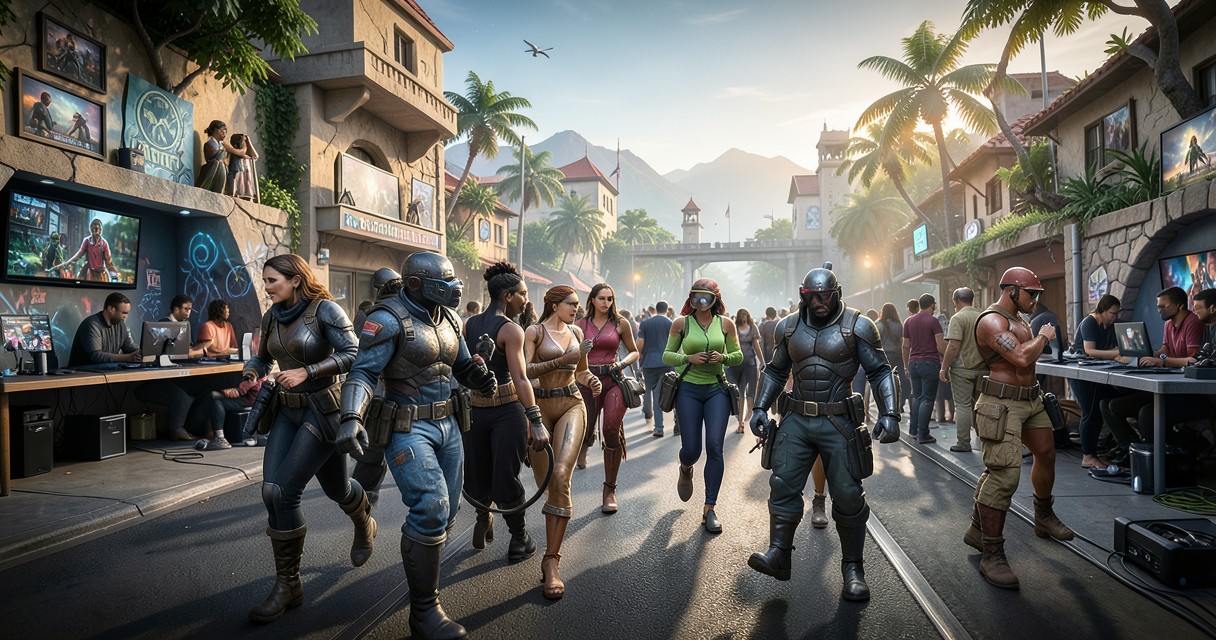
Representation in video games has become a critical topic in recent years, as the gaming industry seeks to reflect the diverse world we live in. From characters that represent various ethnicities and genders to those that embody different sexual orientations and abilities, the need for inclusive representation is more pressing than ever. This article serves as a practical guide for game developers and enthusiasts alike, offering actionable steps to improve representation in video games, while also addressing common pitfalls and providing concrete tips for success.
Understand the Importance of Representation
The first step in enhancing representation in video games is to understand its significance. Representation matters because it shapes how players perceive themselves and others. When players see characters that resemble their backgrounds, experiences, or identities, they feel validated and included. A study found that games with diverse characters can increase player engagement and satisfaction, creating a more enjoyable gaming experience. This understanding should inform every stage of game development, from concept to execution.
Moreover, representation can drive sales. A diverse cast attracts a broader audience, tapping into markets that may have previously felt excluded from gaming culture. This can lead to increased revenue and a more loyal fanbase. Recognizing the economic benefits of diversity can motivate developers to prioritize representation in their projects.
Conduct Thorough Research
Before creating characters or narratives that aim for representation, thorough research is essential. This involves understanding the communities you wish to represent, their histories, and the nuances of their experiences. Engaging with members of these communities can provide valuable insights that help avoid stereotypes and clichés. For instance, if your game features LGBTQ+ characters, consider consulting LGBTQ+ organizations or individuals to ensure authentic portrayals.
Research should also include analyzing existing games for representation trends and gaps. By examining successful titles that feature diverse characters, developers can learn what works and what doesn’t. It’s crucial to recognize that representation is not just about adding diversity for the sake of it; it’s about crafting well-rounded, believable characters that resonate with players on a personal level.
Develop Authentic Characters
Creating authentic characters requires more than just assigning a diverse label. Developers should focus on building multi-dimensional personalities that reflect real human experiences. Each character should have their own motivations, fears, and aspirations, which can help players connect with them on a deeper level. For example, instead of a one-dimensional female warrior, consider a character whose backstory includes struggles with self-doubt and societal expectations.
Additionally, it’s vital to avoid tokenism, where diverse characters are included merely to check a box. Every character should serve a purpose within the narrative, contributing to the plot and the overall theme of the game. This not only enhances the story but also respects the communities being represented, fostering a sense of authenticity that players appreciate.
Incorporate Diverse Storylines
Storylines play a crucial role in representation. Diverse storylines allow players to experience different perspectives and cultures, enriching their gaming experience. When crafting narratives, developers should consider how they can weave in themes of identity, acceptance, and struggle without resorting to stereotypes. This could involve exploring the complexities of a character’s background or the societal challenges they face.

A good example is the game “The Last of Us Part II,” which features a nuanced narrative that explores themes of identity, loss, and redemption through its diverse cast. By focusing on characters’ internal conflicts and their relationships with others, the game provides a rich, immersive experience that resonates with a wide audience. Developing diverse storylines not only enhances representation but also creates more engaging and thought-provoking gameplay.
Ensure Inclusive Development Teams
One of the most effective ways to enhance representation in video games is to have diverse voices in the development team. This includes hiring individuals from various backgrounds, including race, gender, sexual orientation, and ability. Diverse teams bring different perspectives and experiences to the table, which can lead to more innovative ideas and authentic representations.
Moreover, promoting an inclusive workplace culture encourages creativity and collaboration. Team members should feel safe to express their ideas and challenge norms, leading to richer character development and storytelling. Regular workshops and training on diversity and inclusion can help foster this environment, ensuring that all team members understand the importance of representation in their work.
Test and Gather Feedback
Once a game has been developed, testing is crucial to gauge how well it represents diverse communities. Gathering feedback from players who belong to those communities can provide insights that developers may not have considered. This can be done through focus groups, beta testing, or community outreach events. Listening to feedback is essential for identifying areas for improvement and ensuring that the representation feels authentic.

Additionally, developers should be open to criticism and willing to make changes based on feedback. This process not only helps refine the game but also builds trust with the communities represented. A game that successfully incorporates feedback will likely resonate more with players and foster a sense of belonging within the gaming community.
Avoid Common Pitfalls
While striving for better representation, developers should be aware of common pitfalls that can undermine their efforts. One major mistake is relying too heavily on stereotypes, which can perpetuate harmful narratives. For example, portraying all characters from a specific background in a negative light can reinforce biases and alienate players. It’s essential to portray characters as individuals with their own unique stories and experiences.
Another pitfall is neglecting intersectionality, which recognizes that individuals may belong to multiple marginalized groups. For instance, a character may be both a woman and part of the LGBTQ+ community, and their experiences will differ from those of a character who identifies solely as one or the other. Failing to acknowledge these intersections can lead to oversimplified and inaccurate representations.
Celebrate Successes and Learn from Failures
Finally, it’s important to celebrate successes in representation while also learning from failures. When a game successfully portrays diverse characters or narratives, developers should highlight these achievements in marketing and community engagement. This not only reinforces the importance of representation but also encourages other developers to follow suit.
Conversely, when a game receives criticism for its representation, it’s crucial to analyze the feedback and understand what went wrong. Using these lessons to improve future projects can lead to more meaningful representations in the long run. The gaming community thrives on innovation and progress, and a commitment to better representation will not only enhance the industry but also enrich the experiences of players worldwide.

I’ve been playing video games since I got my first console at age five, and I love sharing insights about the industry. Writing about game design, indie gems, and the latest releases keeps me excited about the future of gaming.