

Downloadable content, commonly abbreviated as DLC, has become a staple of modern video games, allowing developers to extend a title long after its initial launch. By delivering new assets through online platforms such as Steam, PlayStation Network, or Xbox Live, live service games allow publishers to keep a game fresh, address community feedback, and generate additional revenue without producing a full sequel. For many players, DLC represents the bridge between the core experience they bought and the evolving worlds they continue to explore. Understanding how DLC works, why it matters, and how it differs from older expansion packs helps gamers make informed decisions about what to spend their time and money on.
Defining DLC: The Basics
At its core, DLC is any piece of content that can be attached to an already released game and downloaded from the internet. This content may be delivered for free or sold as a microtransaction, and it typically requires the base game to function, highlighting game design basics. The concept first appeared on the Dreamcast, but limitations in bandwidth and storage kept early attempts modest. It was the Xbox generation that popularized the model, offering players the ability to purchase new missions for titles like “Halo 2” directly from the console. Today, DLC can be as small as a single weapon skin or as large as a full storyline that rivals a standalone release.
Because DLC is distributed digitally, developers are not constrained by the physical media costs that once dictated the size and scope of expansions. This flexibility enables rapid iteration; a studio can release a balance tweak or a seasonal event within days rather than weeks. However, the same ease of distribution also means that the quality of DLC varies widely, ranging from meticulously crafted expansions to hastily assembled add‑ons designed solely to boost the bottom line.
Categories of DLC: Cosmetic, Gameplay, and Narrative
Not all DLC serves the same purpose, and most PC game genres organize their add‑ons into distinct categories. Cosmetic DLC focuses on visual changes, such as character outfits, weapon skins, or interface themes, and usually does not affect gameplay balance. open world PC games like “Fortnite” and “Overwatch” have built massive revenue streams by selling skins that let players personalize their avatars without changing core mechanics. While some gamers criticize this model as a “pay‑to‑look” scheme, many appreciate the ability to stand out in crowded multiplayer environments.
Gameplay‑oriented DLC introduces new mechanics, maps, or modes that can fundamentally alter how a game is played. For instance, “The Witcher 3” received a “Blood and Wine” expansion that added a whole new region, quests, and combat systems, effectively creating a second game within the original. Narrative DLC, on the other hand, expands the story by providing additional chapters, characters, or plot twists. “Mass Effect 2” offered a “Lair of the Shadow Broker” mission that deepened the overarching storyline and gave players fresh choices that impacted the main plot. These types of DLC often justify higher price points because they require substantial development effort.
Expansion Packs vs. DLC: Historical Context
Before the internet became the primary distribution channel, competitive PC gaming basics were evident as developers released expansion packs as physical boxes that required the base game to run. These packs, popular in the 1990s and early 2000s, often contained new levels, characters, or story arcs and were sold alongside the original title in retail stores. Classic examples include “StarCraft: Brood War” and “Warcraft III: The Frozen Throne,” both of which added significant content and are still remembered as essential parts of their franchises. The term “expansion pack” emphasized the substantial size and importance of the add‑on.
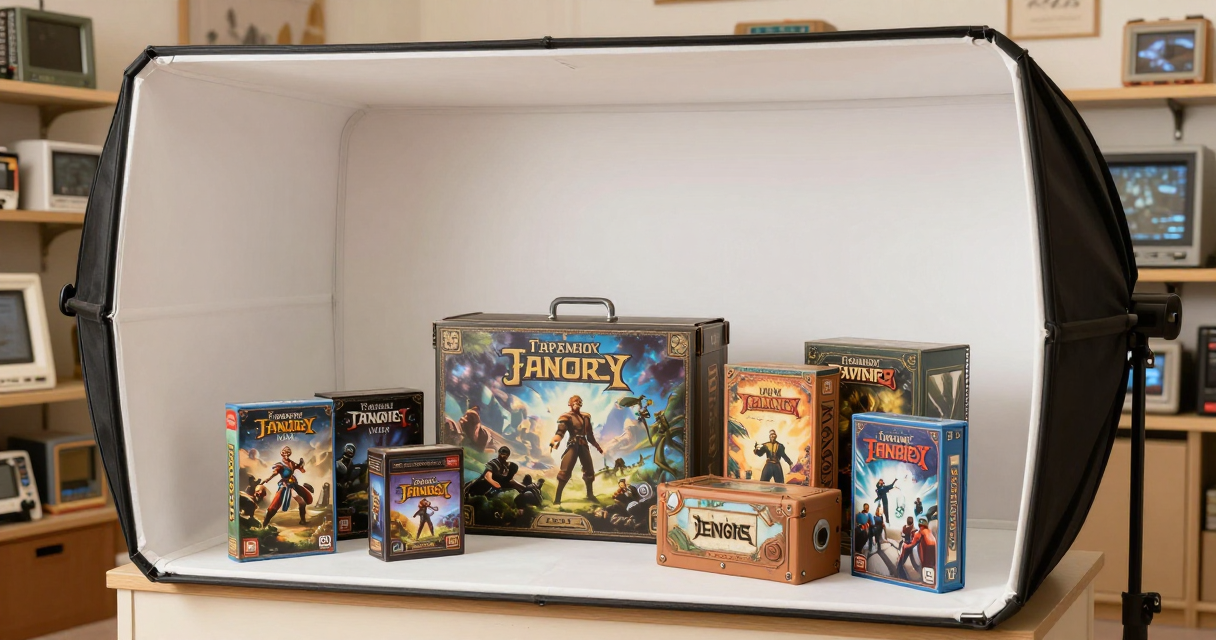
With the rise of digital storefronts, the distinction between expansion packs and DLC began to blur. Modern developers still use the term “expansion” to describe large, story‑heavy add‑ons that feel like a second half of the game, while smaller, optional pieces are labeled DLC. Blizzard, for instance, continues to refer to its “World of Warcraft” updates as expansions, even though they are automatically downloaded through the game launcher. This semantic shift reflects both marketing considerations and the evolving expectations of players who now receive updates almost weekly.
Season Passes and Bundles: Packaging DLC for Convenience
To encourage players to purchase multiple pieces of DLC, many publishers offer season passes that bundle upcoming content at a discounted rate. A season pass typically guarantees access to all announced DLC for a set period, sparing the consumer from buying each add‑on individually. “Borderlands 2” employed an early access games model, allowing fans to unlock all future weapons and story missions for a single upfront cost. This approach benefits developers by providing a more predictable revenue stream, which can be reinvested into further content creation.
Bundling also appears in the form of “ultimate editions” or “complete collections,” where a game is re‑released with all existing DLC included. While these packages can be a good value for newcomers, they sometimes raise concerns about “pay‑to‑wait” practices, where early adopters feel forced to purchase additional content later to stay competitive. The balance between fair pricing and developer sustainability remains a hot topic in the gaming community, and each new season pass often reignites the debate.
Economic Impact: Monetization Strategies Behind DLC
From a business perspective, DLC transforms a single purchase into a long‑term revenue model. By selling small, incremental pieces of content, publishers can generate income well beyond the initial launch window. Microtransactions, a subset of DLC, allow players to spend as little as a few dollars on cosmetic items or as much as dozens on full expansions. This model proved profitable for free‑to‑play titles like “Genshin Impact,” which relies on a “gacha” system to sell character pulls and weapon upgrades.
However, the financial incentives behind DLC can also lead to controversial practices. Some studios have released “content‑drip” updates that split what could have been a single, cohesive expansion into multiple paid installments. Critics argue that this approach fragments the narrative and forces players to pay repeatedly for what should be a unified experience. Conversely, supporters claim that spreading out content keeps the community engaged over a longer period, fostering a continuous dialogue between developers and fans.
How DLC Extends Game Longevity and Community Engagement
When executed well, DLC can breathe new life into a game that might otherwise fade into obscurity. New maps, challenges, or story arcs give players fresh goals, encouraging them to return to the title long after the original campaign has been completed. Multiplayer shooters such as “Call of Duty” regularly add seasonal maps and weapon packs, which sustain active player bases and keep competitive scenes vibrant. Similarly, role‑playing games often benefit from narrative DLC that expands lore and offers additional quests, deepening the immersion for dedicated fans.
Beyond gameplay, mods in PC games can foster community creativity by providing new tools for modders and content creators. For example, “Minecraft” released numerous DLC packs that introduced new biomes and materials, which in turn inspired a wave of user‑generated maps and adventure modes. This symbiotic relationship between official add‑ons and fan‑made content helps maintain a game’s relevance and can even lead to entirely new sub‑genres emerging from the original concept.
Common Criticisms and Tips for Players Navigating DLC
Despite its benefits, DLC faces criticism for perceived greed, uneven quality, and fragmented storytelling. Players often complain when a game feels incomplete without purchasing additional packs, or when essential gameplay elements are locked behind a paywall. To avoid disappointment, it helps to research the scope and reception of each DLC before buying. Reviews, community forums, and developer roadmaps can reveal whether an expansion truly adds meaningful content or merely recycles existing assets.
For those who wish to enjoy a game without excessive spending, waiting for bundled editions or seasonal sales can provide significant savings. Many platforms offer deep discounts during holiday events, and some developers release “free DLC” updates that add content without cost. Keeping an eye on official announcements and planning purchases around these opportunities ensures that players get the most value while still experiencing the enhancements that DLC can bring.

I’ve been playing video games since I got my first console at age five, and I love sharing insights about the industry. Writing about game design, indie gems, and the latest releases keeps me excited about the future of gaming.