Introduction to Single Player PC Games
Single player PC games have long been a cornerstone of the gaming world, offering immersive experiences that allow players to explore intricate stories, challenging gameplay, and richly detailed worlds all on their own. Whether you’re a seasoned gamer or just starting out, understanding what singleplayer games truly are can enhance your appreciation for this unique form of entertainment.
At their core, single player PC games are designed to be played by one person at a time, focusing on the individual’s journey rather than multiplayer interactions. This allows game developers to craft narratives, puzzles, and challenges that cater specifically to solo play, creating experiences that feel personal and engaging. From classic adventure games to modern action titles, the appeal of these games lies in their ability to captivate players through compelling storytelling and immersive gameplay mechanics.
Understanding the basics of PC gaming is essential to fully appreciate single player titles. PC gaming basics include knowing how to navigate hardware specifications, control settings, and graphical options to optimize gameplay. Single player PC games often serve as a gateway for gamers looking to explore the capabilities of their computer systems, providing rich visual and interactive experiences that push the boundaries of technology and creativity.
The importance of single player PC games in gaming culture cannot be overstated. They offer a sanctuary for players who enjoy diving deep into narratives without distractions, fostering creativity, critical thinking, and problem-solving skills. Moreover, these games have historically driven innovation in storytelling and game design, influencing the broader gaming landscape across all platforms.
In this guide, we will explore various aspects of single player PC games, from popular genres and standout titles to tips on how to get the best experience on your system. Whether you’re curious about what are singleplayer games or looking to deepen your knowledge of pc gaming basics, this guide aims to provide you with valuable insights that will enhance your solo gaming adventures.
Top Genres in Single Player PC Games
The world of single player PC games offers a diverse range of experiences, and understanding the popular pc game genres is essential for anyone looking to dive deep into these immersive adventures. Single player game types span various styles and mechanics, each catering to different player preferences and storytelling techniques. Among the most sought-after popular pc game categories are role-playing games (RPG), adventure games, strategy titles, and simulation experiences.

RPGs remain a cornerstone of the single player game types due to their rich storytelling, character development, and expansive worlds. These games typically allow players to customize their characters, make meaningful choices, and explore detailed environments filled with quests and lore. Well-known for their immersive narratives and deep gameplay mechanics, RPGs attract players who enjoy a blend of action, exploration, and decision-making.
Adventure games are another popular pc game genre, distinguished by their focus on exploration and puzzle-solving. These games often emphasize narrative and atmosphere, drawing players into captivating stories filled with mysteries and intriguing characters. Adventure titles usually prioritize player interaction with the environment, requiring critical thinking and creativity to progress through the game’s challenges.
Strategy games appeal to those who enjoy planning, resource management, and tactical decision-making. Whether it’s managing an empire, commanding armies, or solving complex problems, these single player game types test a player’s ability to think ahead and adapt to evolving scenarios. Strategy games often combine deep gameplay systems with intricate mechanics, making them a favorite among fans of intellectual and competitive experiences.
Simulation games stand out as popular pc game categories that replicate real-world activities or fictional scenarios with a high degree of realism. From managing cities and running businesses to piloting aircraft or farming, simulation titles provide players with immersive experiences grounded in realistic mechanics. These games excel in offering long-term goals and sandbox-style freedom, catering to players who prefer pacing and creativity in their gameplay.
Each of these popular pc game genres—RPG, adventure, strategy, and simulation—brings unique elements to the table, making single player PC games a rich and varied field. Whether you’re searching for compelling narratives, intellectual challenges, or realistic simulations, these single player game types continue to shape the landscape of modern PC gaming.
Role-Playing Games (RPGs)
Single player RPGs offer immersive storytelling combined with deep customization and character development. In these games, players typically assume the role of a protagonist whose actions influence the game world, allowing for rich narrative experiences and decision-driven gameplay. The hallmark of PC RPG games is their ability to blend engaging storylines with intricate RPG gameplay mechanics, such as skill trees, inventory management, and branching dialogue options.
One of the biggest draws of single player RPGs is the freedom to shape your character and their journey. Whether through tactical turn-based combat or real-time action, these games challenge players to manage resources, plan strategies, and interact meaningfully with various characters and factions. The progression system in RPGs rewards exploration and experimentation, making each playthrough uniquely satisfying.
Top PC RPG games renowned for their single player experiences include classics like The Elder Scrolls V: Skyrim, celebrated for its vast open world and modding community, and Divinity: Original Sin 2, praised for its tactical combat and story depth. Other notable titles include Dragon Age: Inquisition and Witcher 3: Wild Hunt, both acclaimed for their immersive worlds and compelling RPG gameplay. These games highlight the strengths of single player RPGs in delivering hours of engaging content tailored to individual play styles.
Adventure and Story-Driven Games
Adventure games have long captivated players by immersing them in rich worlds filled with compelling narratives. Story-driven PC games, especially in the single player adventure genre, emphasize plot development and character growth, often delivering unforgettable emotional experiences. These games invite players to explore intricate storylines at their own pace, rewarding curiosity and thoughtful decision-making.
In single player adventure titles, narrative importance is paramount. Whether through complex dialogue, environmental storytelling, or carefully crafted cutscenes, the story becomes the driving force behind gameplay. The player’s choices and interactions often shape the outcome, making each playthrough a unique journey. This focus on storytelling allows developers to delve deep into themes such as morality, identity, and human relationships.
Some standout examples of story-driven PC games include classics like “Life is Strange,” which blends time manipulation with emotional storytelling, and “Disco Elysium,” known for its branching narrative and rich character development. Other notable single player adventure games like “Firewatch” and “The Witcher 3: Wild Hunt” showcase how immersive worlds combined with engaging storylines can create unforgettable experiences. For players seeking a strong narrative combined with exploration and puzzle-solving, adventure games remain a top choice.
Choosing the Best Single Player PC Game for You
When it comes to picking from the vast array of the best single player PC games, the challenge often lies in narrowing down options that truly fit your tastes and system capabilities. Whether you are a story-driven enthusiast, a strategy aficionado, or someone who enjoys immersive exploration, understanding your preferences is key to making the right choice. The first step in choosing PC games is to identify what kind of gameplay experience you are seeking—do you want fast-paced action, deep narrative, or perhaps puzzle-solving? This self-awareness will streamline your search and improve your overall gaming satisfaction.
Another crucial consideration when selecting your ideal single player PC game is your computer’s specs. High-end titles often require powerful processors, ample RAM, and capable graphics cards. To ensure smooth gameplay and avoid frustration, evaluate your system specifications before investing time or money in a game. Many PC game recommendations will include minimum and recommended hardware requirements, so checking these details on official or trusted sources can save you from compatibility issues. If your system is modest, focusing on games optimized for lower specs or indie titles is a smart approach that still delivers hours of engaging entertainment.
Gameplay style plays a significant role in determining the best single player PC games for your enjoyment. For instance, if you thrive on complex storylines and character development, narrative-driven RPGs or adventure games might be your best pick. On the other hand, if you prefer challenges that stimulate your strategic thinking, turn-based strategy or simulation games could better meet your expectations. Some players appreciate open-world environments that offer freedom to explore, while others may prioritize linear but intense gaming experiences. Reflecting on these preferences helps you choose PC games that hold your interest longer and provide a fulfilling solo gaming journey.
In summary, choosing the best single player PC game involves balancing your personal gaming preferences, system capabilities, and desired gameplay style. With countless options available, taking time to research PC game recommendations from trusted sources, reading reviews, and possibly watching gameplay footage can further guide your decision. Ultimately, selecting the right game tailored to your unique interests and setup paves the way for countless hours of enjoyable and immersive single player gaming.
Tips for Maximizing Your Single Player Gaming Experience
Enhancing your single player game experience starts with optimizing both your hardware and software settings. Adequate gaming tips can significantly improve how immersive and enjoyable your gameplay becomes, especially on a PC. First, ensure your PC meets or exceeds the recommended system requirements for the games you want to play. Investing in a good graphics card, sufficient RAM, and a fast processor can make a noticeable difference in frame rates and load times.
Next, focus on PC game optimization by adjusting in-game settings. Lowering or fine-tuning graphics options such as shadows, textures, and anti-aliasing helps maintain smooth performance without sacrificing visual quality. Most modern single player games offer presets tailored for different hardware tiers, so start with those and tweak based on your system’s capabilities. Additionally, updating your graphics drivers regularly ensures compatibility and can unlock performance improvements.
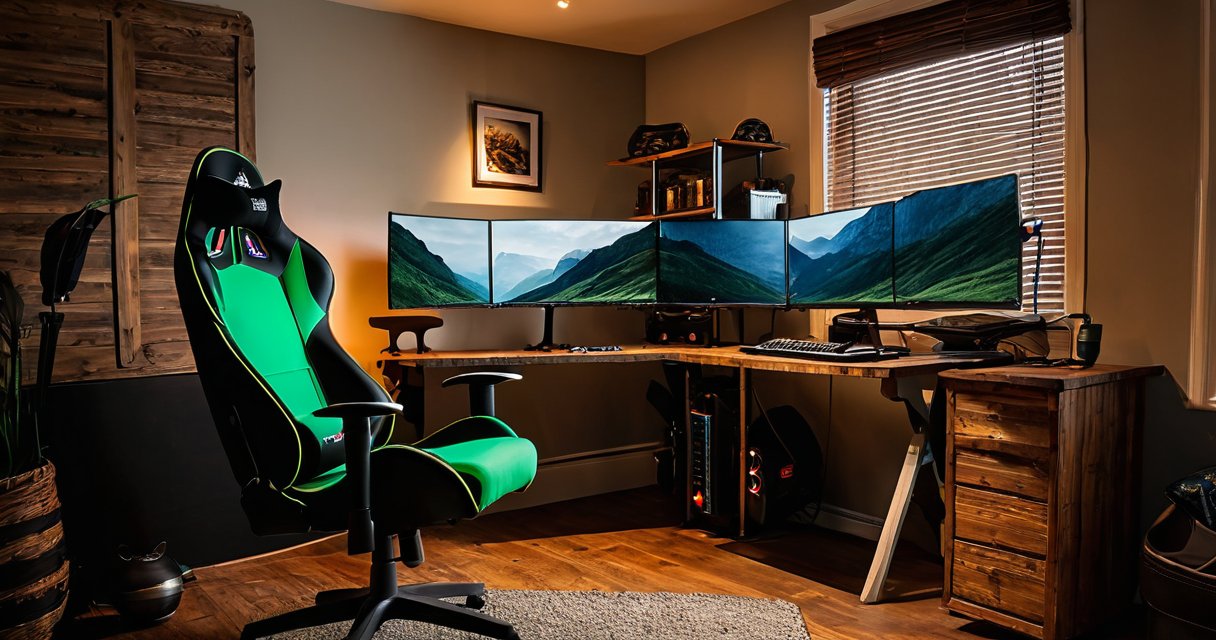
Beyond hardware and settings, some gaming tips involve how you approach gameplay itself. Creating a dedicated and comfortable gaming environment, free of distractions, allows you to fully immerse in the story and mechanics. Using a high-quality headset can enhance audio cues and ambiance, which are crucial in many narrative-driven single player titles. Taking regular breaks also maintains your focus and reduces fatigue during long sessions.
Another valuable tip is to explore game mods or patches if available. Community-created content often offers improvements that can optimize performance or enrich the game world, enhancing your single player game experience. Just be sure to back up your saves before applying any mods to avoid data loss. Additionally, familiarizing yourself with game controls and mechanics before diving into intense gameplay can help you enjoy a smoother and more rewarding experience.
Lastly, managing background applications on your PC can free up resources for gaming. Closing unnecessary programs like web browsers, chat apps, or streaming services ensures more CPU and memory are dedicated to running your game efficiently. For the best single player game experience, prioritize a stable internet connection even if the game doesn’t require multiplayer, as many titles utilize online features for updates or cloud saves.

I’ve been playing video games since I got my first console at age five, and I love sharing insights about the industry. Writing about game design, indie gems, and the latest releases keeps me excited about the future of gaming.