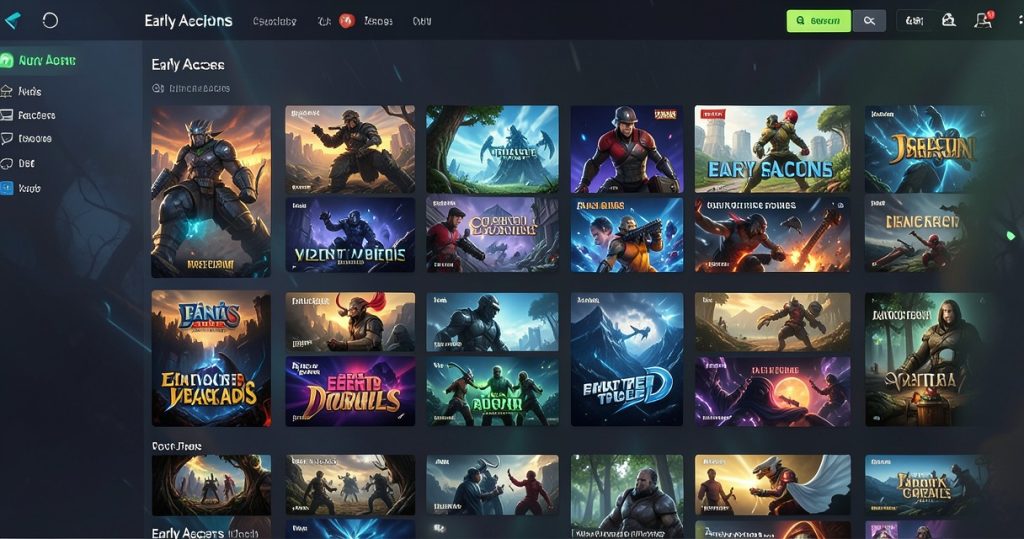
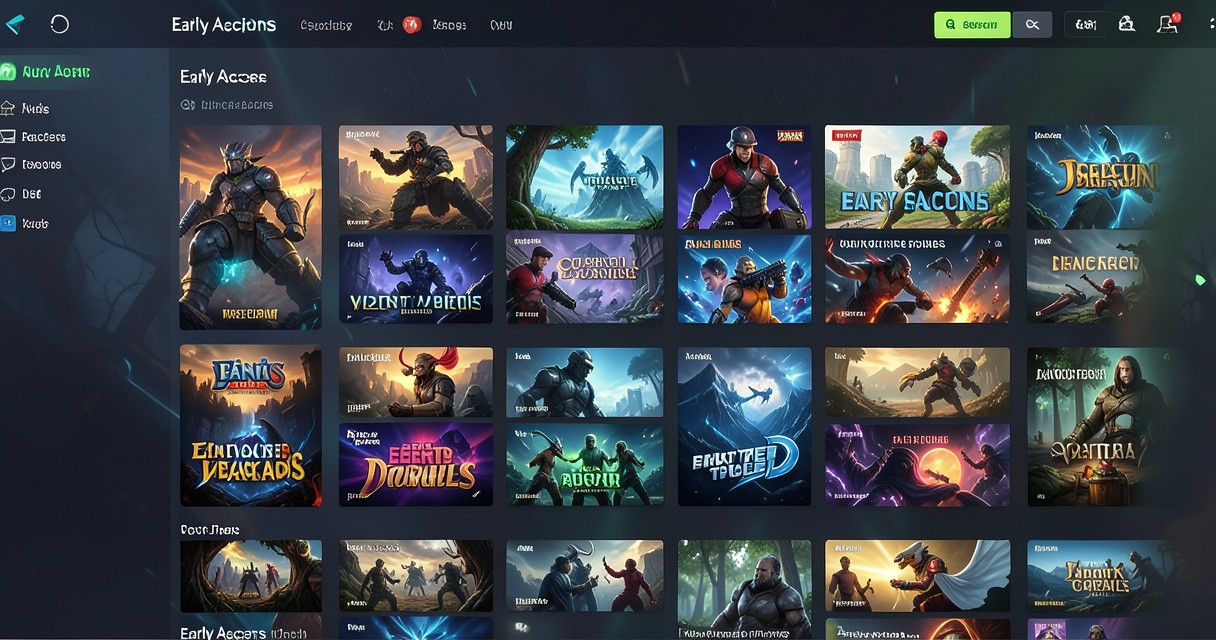
Early access has become a mainstay of modern game publishing, offering a middle ground between closed‑beta testing and full release. For many indie studios the model provides a lifeline, while seasoned players gain the chance to shape a title before it reaches its final form. Understanding how early access works helps both creators and consumers avoid common pitfalls and make the most of the collaborative development process.
Defining Early Access in the Gaming Industry
In practical terms, early access refers to a playable version of a game that is sold to the public while development is still ongoing. Unlike traditional demos, early access builds are fully functional enough to be enjoyed, yet they often lack polish, complete storylines, or final art assets. Platforms such as Steam, Xbox Game Preview, and Epic Games Store host thousands of early access projects, ranging from sandbox survival titles to narrative‑driven roguelikes. The model emerged in the early 2010s, gaining prominence after high‑profile releases demonstrated its viability.
Early access titles are usually labeled clearly on storefronts, indicating that the purchase supports ongoing development. Developers retain the right to add, modify, or even remove content based on community feedback and internal milestones. This transparency distinguishes the model from unfinished games that are released without warning, as buyers knowingly accept a product that will evolve over time.
Development Phases: From Alpha to Public Release
Most early access projects follow a structured roadmap that begins with an alpha stage, where core mechanics are tested internally or with a limited group of players. During alpha, developers focus on stability, fixing critical bugs, and establishing a solid foundation for gameplay loops. Once the core systems are reliable, the project moves into public early access, inviting a broader audience to explore and critique the experience.
Iterative updates become the heartbeat of the early access cycle in frame rate. Developers release patches that introduce new features, balance adjustments, and visual enhancements on a regular schedule, often weekly or monthly. Community forums, live streams, and in‑game feedback tools provide direct channels for players to report issues and suggest improvements, allowing the development team to prioritize work that aligns with player expectations.
Why Developers Choose Early Access
Financial sustainability stands out as a primary incentive for studios embracing early access. By selling an unfinished product, developers secure revenue that can cover salaries, licensing fees, and marketing expenses without relying solely on external investors. This cash flow reduces the pressure to secure large upfront funding, which can dilute creative control.

Beyond monetary benefits, early access grants developers a real‑world testing environment that surpasses closed beta constraints. Player interaction can reveal how Mods in PC games behave under diverse hardware configurations. Moreover, the buzz generated by an active community often translates into organic promotion, as enthusiastic players share streams, reviews, and social media posts.
Player Risks and Responsibilities
Purchasing an early access game carries inherent uncertainties. Since the product is unfinished, players may encounter crashes, missing content, or balance issues that disrupt immersion. In extreme cases, a project can be abandoned before reaching a complete state, leaving buyers with a partially developed experience and no guarantee of refunds. This risk underscores the importance of assessing a developer’s track record before committing funds.
Players also bear a responsibility to provide constructive feedback. Meaningful bug reports, detailed suggestions, and respectful dialogue help steer development toward a more refined final version. Communities that foster toxic behavior or demand unrealistic changes can hinder progress, leading developers to prioritize stability over ambitious features. Engaged, courteous participants tend to see their input reflected in subsequent updates.
Common Misconceptions About Early Access
One prevalent myth equates early access with a perpetual beta that never reaches completion. While some titles indeed stall, many successfully transition to full release after several months of community‑driven polishing. For instance, the critically acclaimed action‑roguelike Hades spent over a year in early access before launching to widespread praise, demonstrating that the model can produce polished, award‑winning games.
Another misunderstanding is that early access titles are free or low‑cost experiments. In reality, most early access games carry a price comparable to fully released titles, reflecting the value of the playable content and the developers’ need for sustainable funding. Discounts are sometimes offered during promotional periods, but the price generally remains consistent with market expectations.
How to Evaluate an Early Access Title Before Buying
Prospective buyers should first examine the developer’s communication history. Regular update logs, transparent roadmaps, and active participation in community discussions signal a commitment to delivering a finished product. Projects that post weekly changelogs and respond to player inquiries tend to maintain momentum and avoid stagnation.

Next, assess the scope and realism of the promised features in level design. A roadmap that outlines concrete milestones, such as “add Multiplayer mode by Q3” or “implement full story campaign by year’s end”, provides measurable goals. Comparing these milestones with the current state of the game helps gauge whether the developers are on track or overly optimistic.
Looking Ahead: The Future of Early Access
The early access model continues to evolve as both platforms and players refine their expectations. Emerging trends include tighter integration with streaming services, allowing developers to showcase live development progress directly to audiences. Additionally, some storefronts are experimenting with escrow systems that protect consumer funds until certain development thresholds are met.
Regulatory scrutiny may also shape the future of early access, with consumer protection agencies examining whether current practices sufficiently safeguard buyers from abandoned projects. As the industry responds, developers are likely to adopt more rigorous transparency standards, fostering an environment where early access remains a viable pathway for innovative games while minimizing the risk of unfinished experiences.

I’ve been playing video games since I got my first console at age five, and I love sharing insights about the industry. Writing about game design, indie gems, and the latest releases keeps me excited about the future of gaming.