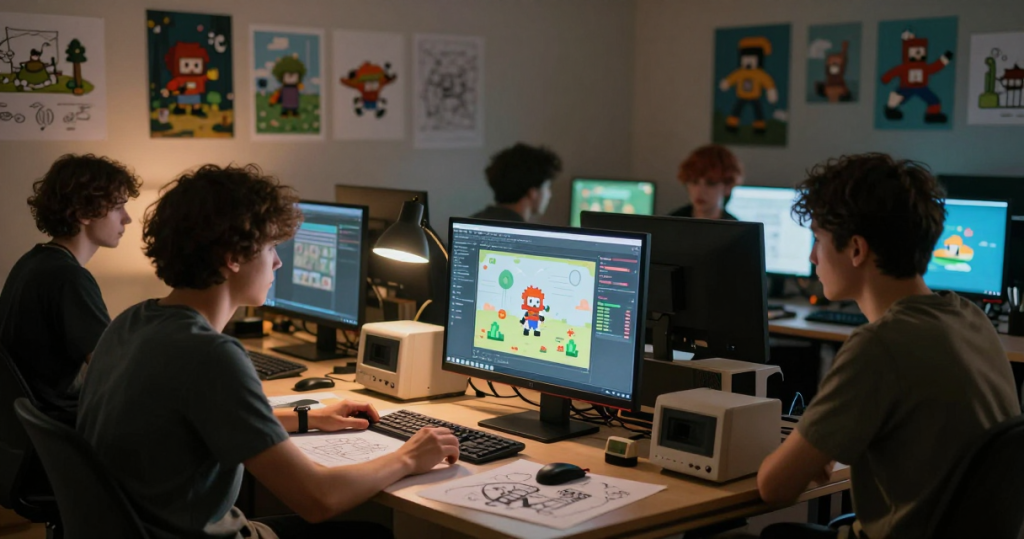
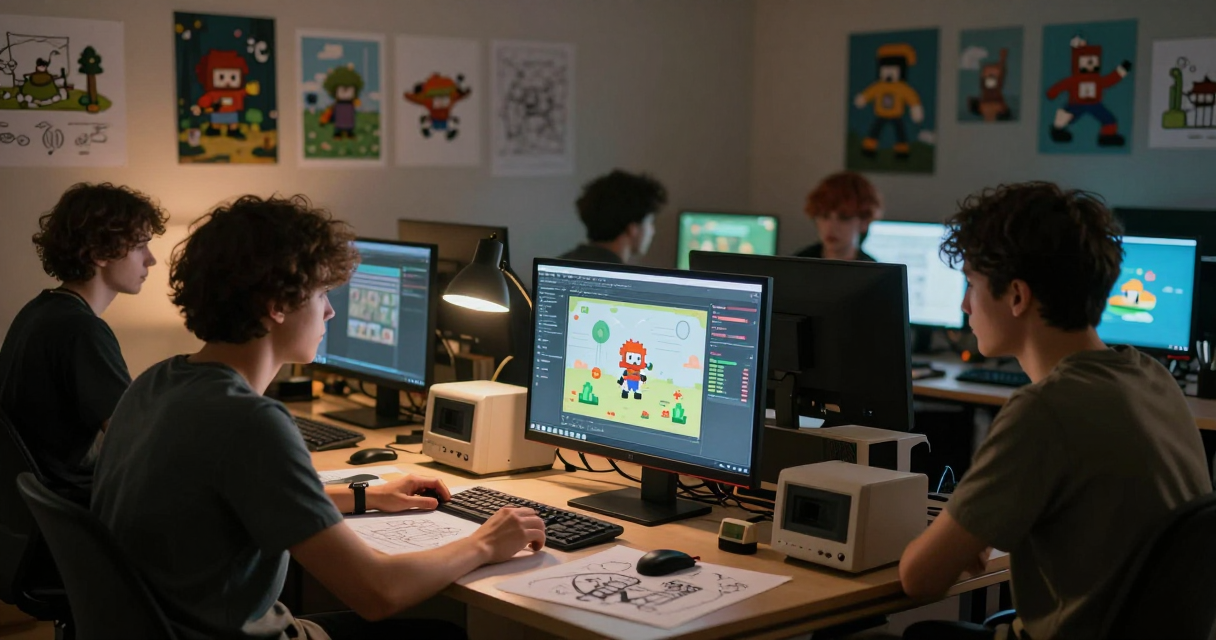
The indie game development scene has blossomed into a vibrant and essential part of the gaming industry. With a unique blend of creativity, innovation, and community spirit, indie developers are reshaping how games are created and consumed. Unlike large studios, indie developers often work with smaller budgets and teams, allowing for more personal and experimental game designs. This article explores the various aspects of the indie game development scene, including its history, current trends, notable games, and the challenges faced by developers.
History of Indie Game Development
The roots of indie game development can be traced back to the early days of video gaming when hobbyists created games for personal enjoyment. The 1980s saw the emergence of small teams and individuals producing games outside the mainstream industry. However, it wasn’t until the rise of digital distribution platforms like Steam and itch.io in the 2000s that indie gaming truly flourished. These platforms provided developers with the tools to reach a global audience without needing traditional publishing deals, democratizing game distribution.
One of the pivotal moments for indie games was the release of “Braid” in 2008, which showcased that small teams could create critically acclaimed and commercially successful games. Following this, titles like “Super Meat Boy” and “Limbo” further established the indie game movement, proving that innovation and unique storytelling could resonate with players. The success of these games encouraged more developers to explore their creativity, leading to the diverse indie landscape we see today.
Current Trends in Indie Game Development
Indie game development is characterized by a variety of trends that reflect both technological advancements and shifts in player preferences. One prominent trend is the rise of narrative-driven games that prioritize storytelling over traditional gameplay mechanics. Titles like “Celeste” and “Oxenfree” demonstrate how compelling narratives can create emotional connections with players, setting them apart from mainstream offerings.
Another trend is the increasing use of retro aesthetics and mechanics. Many indie developers draw inspiration from classic games, utilizing pixel art and chiptune music to evoke nostalgia while incorporating modern gameplay innovations. This blend of old and new appeals to a broad audience, as seen in games like “Shovel Knight” and “Undertale,” which have garnered both critical and commercial success.
Notable Indie Games and Their Impact
Several indie games have made significant impacts on the gaming industry, influencing both developers and players alike. “Stardew Valley,” created by a single developer, has become a cultural phenomenon, inspiring countless players to engage in farming simulation and community-building. Its success exemplifies how a simple concept can evolve into an expansive experience, allowing players to immerse themselves in a world of creativity and exploration.
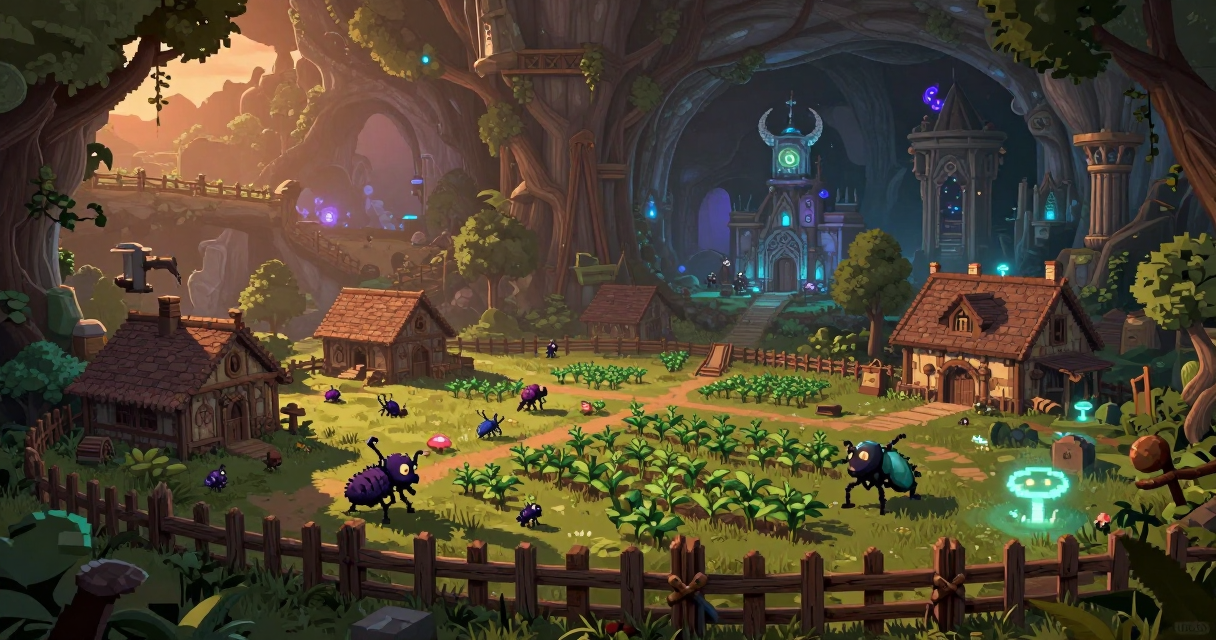
“Hollow Knight,” developed by Team Cherry, is another standout title that showcases the potential of indie games. With its stunning art style and intricate world design, it has become a benchmark for quality in the genre of Metroidvania games. The success of such titles not only highlights the talent within the indie scene but also encourages larger studios to take risks and explore unique concepts.
The Role of Festivals and Events
Festivals and events play a crucial role in the indie game development scene, providing platforms for developers to showcase their work and connect with audiences. Events like the IndieCade Festival and PAX showcase the best in indie gaming, allowing developers to network, gain feedback, and potentially secure publishing deals. These gatherings foster a sense of community among developers, creating opportunities for collaboration and support.
Additionally, game jams, such as the Global Game Jam and Ludum Dare, encourage developers to create games within a limited timeframe. These events not only spark creativity but also lead to the development of innovative concepts that may evolve into full-fledged games. The camaraderie and shared experiences during these events often result in lifelong friendships and partnerships within the indie community.
Challenges Facing Indie Developers
Despite the successes, indie developers face numerous challenges that can hinder their progress. One significant hurdle is funding. Many indie studios operate on tight budgets, making it difficult to invest in marketing, hiring additional staff, or acquiring necessary resources. Crowdfunding platforms like Kickstarter have emerged as viable options for some developers, but not all campaigns reach their funding goals, leaving projects in limbo.
Another challenge is the oversaturation of the market. With the ease of digital distribution, thousands of indie games flood platforms every year, making it challenging for new titles to stand out. Developers must invest time and effort into marketing and building a community around their games to ensure visibility. This often requires skills beyond game development, such as social media management and public relations, which can be overwhelming for small teams.
The Future of Indie Game Development
The future of indie game development looks promising, with continued growth and innovation on the horizon. As technology advances, indie developers are likely to explore new avenues for gameplay and storytelling, leveraging virtual reality and augmented reality to create immersive experiences. The increasing accessibility of development tools and platforms will also empower more creators to bring their visions to life.
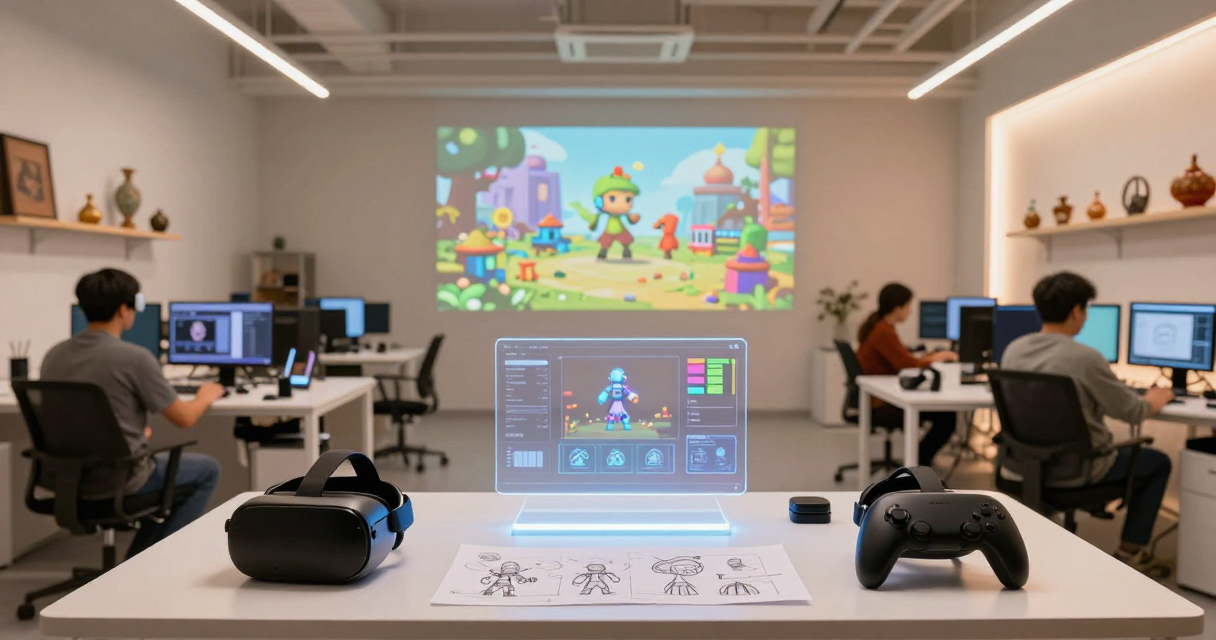
Furthermore, the global indie game community is expanding, with developers from diverse backgrounds contributing unique perspectives and cultural influences. This diversification will undoubtedly lead to richer narratives and innovative gameplay mechanics, pushing the boundaries of what games can achieve. As players seek fresh and engaging experiences, indie games will continue to play a vital role in shaping the future of the gaming industry.
Impact of Community and Collaboration
The sense of community within the indie game scene is one of its most defining features. Developers often share resources, provide feedback, and collaborate on projects, creating a supportive environment. Online platforms, such as Discord and forums dedicated to game development, allow for real-time communication and knowledge sharing. This collaborative spirit not only helps individual developers grow but also strengthens the overall indie ecosystem.
Moreover, community-driven initiatives, such as mentorship programs and local meetups, provide emerging developers with guidance and support. Established developers often give back by sharing their experiences and insights, fostering a culture of learning and growth. This network of collaboration and support is essential for nurturing the next generation of indie game developers and ensuring the continued evolution of the scene.

I’ve been playing video games since I got my first console at age five, and I love sharing insights about the industry. Writing about game design, indie gems, and the latest releases keeps me excited about the future of gaming.