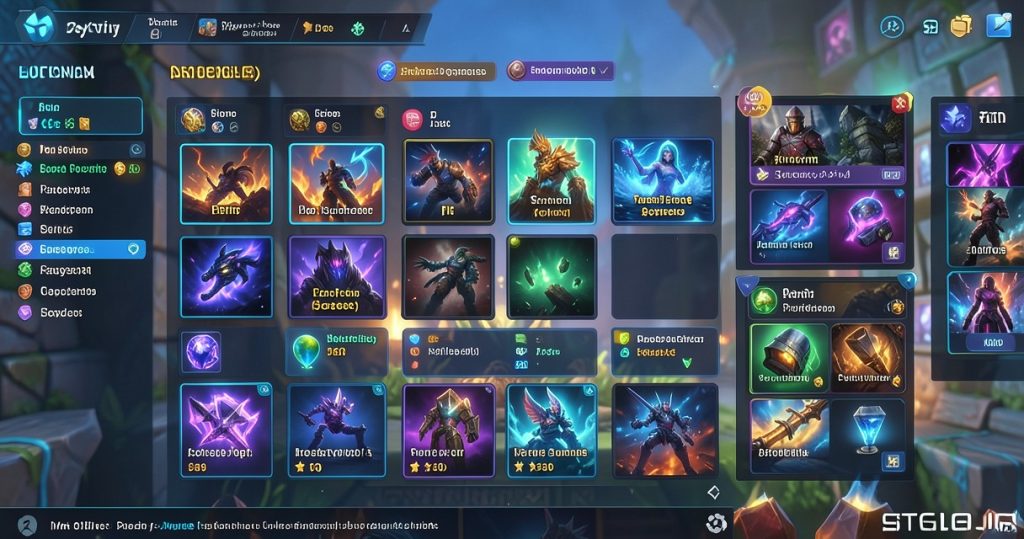
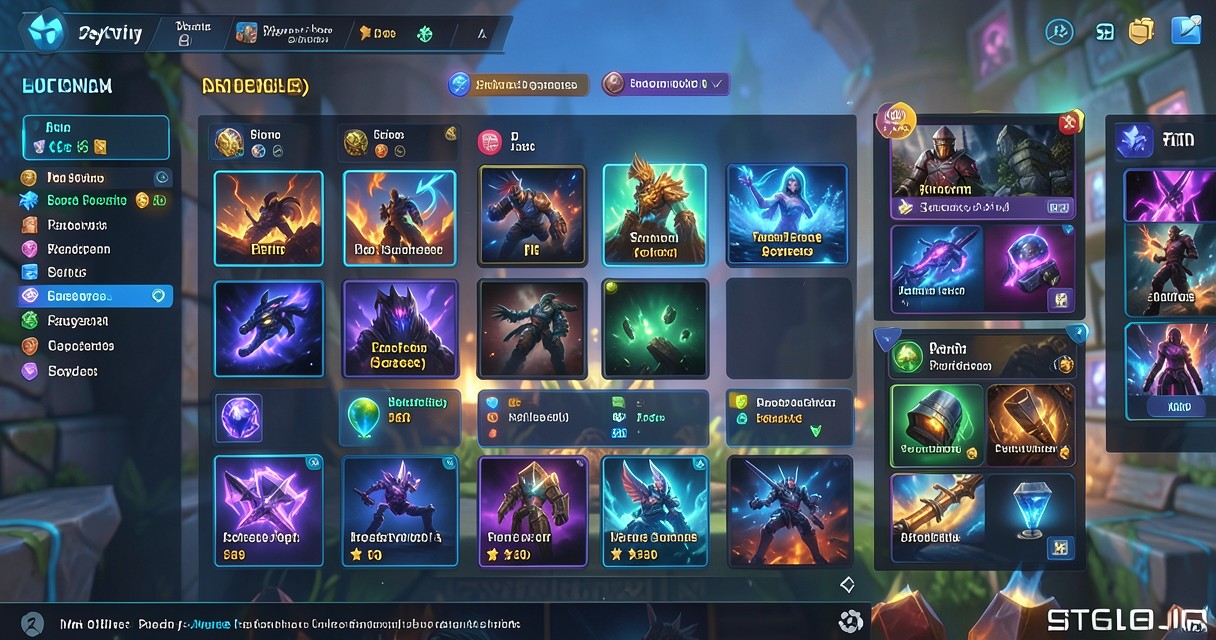
The “pay to win” debate is a significant and contentious topic in the gaming community, influencing player experiences and developer strategies alike. In essence, pay-to-win (P2W) refers to games that allow players to purchase advantages or items that enhance their performance, thereby giving them an edge over those who may choose not to spend extra money. This model is prevalent in many free-to-play games, where monetization strategies can create a division between players who are willing to invest real money and those who are not. This article will explore the nuances of the pay-to-win debate, examining its implications for game design, player engagement, and the overall gaming ecosystem.
Understanding Pay-to-Win Mechanics
Pay-to-win mechanics often manifest in various forms, such as exclusive items, enhanced abilities, or faster progression. For example, titles like “Clash of Clans” and “Candy Crush Saga” utilize in-game purchases to allow players to buy resources or lives, which can significantly expedite their gameplay experience. While some players argue that these purchases are merely shortcuts, others feel that they undermine the competitive integrity of the game. The core issue revolves around whether spending money creates an unlevel playing field, especially in multiplayer environments where skill should ideally determine success.
In many cases, developers justify these mechanics by emphasizing that free-to-play games need revenue streams to sustain themselves. However, the balance between monetization and fair play becomes crucial. When players feel that they must pay to compete effectively, it can lead to frustration and disengagement, ultimately harming the game’s community and longevity.
The Impact on Game Design
Game design is heavily influenced by the monetization strategies developers choose to implement. Titles that embrace pay-to-win elements often focus on creating a cycle where players feel compelled to spend money to progress. This approach can lead to a design philosophy that prioritizes profit over player satisfaction. For instance, games may introduce artificial barriers that slow down progression unless players invest in premium content. Such tactics can detract from the overall experience, making the game feel more like a financial transaction than an engaging pastime.
Conversely, many successful games maintain a balance between monetization and fair competition. Titles like “Fortnite” and “Apex Legends” offer cosmetic items for purchase without providing any gameplay advantages. This model allows players to express themselves without compromising the competitive nature of the game. Developers who prioritize player experience over aggressive monetization often find that they can cultivate loyal communities that support the game through voluntary purchases.
The Player’s Perspective
Players’ perceptions of pay-to-win mechanics can vary widely based on their gaming preferences and experiences. Casual gamers might be more accepting of spending money for convenience, while competitive players often view pay-to-win elements as detrimental to their skill-based gameplay. Many players advocate for a fair environment where success is determined by skill, strategy, and teamwork rather than financial investment.

The rise of online forums and social media has given players a platform to voice their opinions on pay-to-win practices. Communities often rally around games that respect their time and investment. Games that are perceived as fair and engaging tend to foster positive word-of-mouth and long-term player retention, while those that lean heavily into pay-to-win mechanics may face backlash and declining player bases.
Case Studies in Pay-to-Win
Several high-profile games have sparked significant discussions around pay-to-win mechanics. “Star Wars Battlefront II,” for instance, faced intense scrutiny for its loot box system, which many players believed provided unfair advantages to those willing to spend more money. The backlash was so severe that it prompted a major overhaul of the game’s monetization strategy, illustrating how player pushback can influence developer decisions.
On the other hand, games like “League of Legends” have successfully navigated these waters by implementing a model that allows players to purchase champions and skins without affecting gameplay. This approach has enabled the game to thrive and cultivate a massive player base while minimizing complaints about pay-to-win mechanics. These examples highlight the importance of understanding player sentiment and the potential consequences of various monetization strategies.
Ethics and Monetization in Gaming
The ethical implications of pay-to-win mechanics have become a focal point in discussions about the future of gaming. Critics argue that these practices exploit players, particularly younger audiences who may not fully grasp the financial implications of their spending. As gaming becomes more mainstream, developers face increasing scrutiny regarding their monetization practices, leading to calls for transparency and ethical standards.
Regulatory bodies in various countries have begun to take notice, with some considering legislation to limit exploitative practices in gaming. This scrutiny may lead to a reevaluation of how games are monetized, pushing developers toward more ethical practices that prioritize player welfare. The ongoing debate surrounding pay-to-win mechanics will likely shape the future of game design and monetization strategies.
Alternatives to Pay-to-Win Models
As the gaming industry evolves, many developers are exploring alternative monetization strategies that do not compromise the integrity of gameplay. Subscription models, one-time purchase games, and cosmetic-only microtransactions are becoming increasingly popular. For instance, games like “The Elder Scrolls Online” offer subscription options that provide access to all content without the need for additional purchases, fostering a sense of fairness and equality among players.

Additionally, games that utilize a battle pass system, such as “Fortnite,” allow players to earn rewards through gameplay rather than purchases. This model encourages engagement and rewards players for their time and effort, creating a more positive gaming experience. By focusing on player satisfaction and community building, developers can create sustainable revenue streams without resorting to pay-to-win mechanics.
The Future of Pay-to-Win in Gaming
The future of pay-to-win mechanics in gaming is uncertain, as player preferences continue to evolve. Increasingly, gamers are demanding transparency and fairness in their gaming experiences. Developers who adapt to these changing expectations may find greater success in the long term, as they build trust and loyalty within their communities.
As the industry grapples with ethical considerations and player sentiments, innovative monetization strategies will likely emerge. The ongoing dialogue about pay-to-win practices highlights the need for developers to prioritize player experience and community engagement over short-term profits. Ultimately, the balance between monetization and fair play will shape the next generation of gaming, influencing both player satisfaction and developer success.

I’ve been playing video games since I got my first console at age five, and I love sharing insights about the industry. Writing about game design, indie gems, and the latest releases keeps me excited about the future of gaming.