

Ranking systems in games serve as a critical mechanism for assessing player performance and fostering competitive environments. These systems not only provide players with a clear understanding of their skill level but also enhance engagement by introducing a structured way to progress and compete against others. From multiplayer online battle arenas to first-person shooters, ranking systems vary significantly in design and implementation, each with its own set of rules, metrics, and nuances. This article delves into the various aspects of ranking systems in games, analyzing their key factors, the driving forces behind their outcomes, and the complexities that arise within these systems.
Understanding the Basics of Ranking Systems
At their core, ranking systems categorize players based on their performance in specific games. Most systems utilize a numerical value or tiered structure to represent skill levels, which can range from beginner to expert. For example, in games like Dota 2, players are assigned a Matchmaking Rating (MMR) that reflects their skill based on wins, losses, and individual performance metrics. This system not only ranks players but also matches them with opponents of similar skill levels, creating a balanced competitive environment. Such systems are essential for maintaining player interest, as they provide tangible goals for improvement and a sense of achievement when progressing through ranks.
In addition to MMR, some games employ tiered systems, where players advance through levels or divisions. For instance, League of Legends has a ranking system that includes Bronze, Silver, Gold, Platinum, and higher tiers, each with its own divisions. This tiered approach allows for more granular differentiation between players, making it easier to identify skill gaps and facilitating more meaningful matchmaking. Understanding these foundational concepts is crucial for players aiming to navigate the competitive landscape effectively.
Key Metrics Influencing Rankings
Several metrics play a vital role in determining a player’s rank within a game. These can include win rates, kill/death ratios, and overall performance in matches. For example, a high win rate might indicate a player’s ability to work well with their team, while a low kill/death ratio could suggest struggles in individual performance. In games like Overwatch, player rankings are influenced by a combination of individual contributions and team success, emphasizing the importance of both personal skill and teamwork. This multifaceted approach to ranking helps ensure that players are evaluated on a comprehensive scale, rather than solely on isolated statistics.
Moreover, some systems incorporate additional factors like match difficulty and player behavior. In games such as Counter-Strike: Global Offensive, the matchmaking system considers the relative skill of opponents faced in previous matches, adjusting a player’s rank accordingly. This dynamic evaluation process aims to create a more accurate representation of a player’s abilities over time, ensuring that rankings reflect current performance rather than historical data alone.
The Psychology Behind Ranking Systems
Ranking systems tap into fundamental psychological principles that drive player motivation and engagement. The desire for achievement and recognition is a powerful motivator in gaming. Players often feel a sense of satisfaction when they see their rank improve, which can lead to increased playtime and investment in the game. This phenomenon is known as the “progress principle,” where visible progress encourages continued effort and commitment. Games that effectively employ ranking systems often see higher player retention rates, as players strive to climb the ranks and reach new milestones.
However, the psychological impact of ranking systems can also lead to negative experiences, such as frustration or burnout, especially if players feel stuck at a certain rank. This aspect highlights the importance of balancing challenge and skill in ranking systems. Developers must design these systems in a way that provides enough challenge to engage players while also allowing for attainable progress. Understanding the psychological nuances can help game developers create ranking systems that foster healthy competition without leading to detrimental player experiences.
Nuances in Ranking Systems: Exceptions and Anomalies
While most ranking systems aim for fairness and accuracy, there are exceptions and anomalies that can complicate the landscape. For instance, smurfing, where experienced players create new accounts to dominate lower-ranked matches, can distort the integrity of the ranking system. This practice not only affects the experience of lower-ranked players but also undermines the competitive balance that ranking systems strive to maintain. Developers must constantly adapt their systems to address such issues, implementing measures like account verification or matchmaking adjustments to mitigate the impact of smurfing.
Another nuance involves the impact of server performance and technical issues. In games like Rainbow Six Siege, server lag or connectivity problems can lead to frustrating experiences that affect match outcomes. When players feel that their performance is negatively influenced by factors outside their control, it can lead to disillusionment with the ranking system. Game developers must prioritize server stability and performance optimization to ensure that rankings remain a fair reflection of player skill.
Case Studies: Successful Ranking Systems
Several games have developed successful ranking systems that exemplify best practices in player evaluation and matchmaking. For instance, Valorant employs a unique ranking system that combines individual performance with team success. Players are placed into different ranks based on their performance in competitive matches, with a focus on both individual skills and contributions to the team’s success. This approach encourages collaboration and strategic play while providing players with a clear path for improvement.
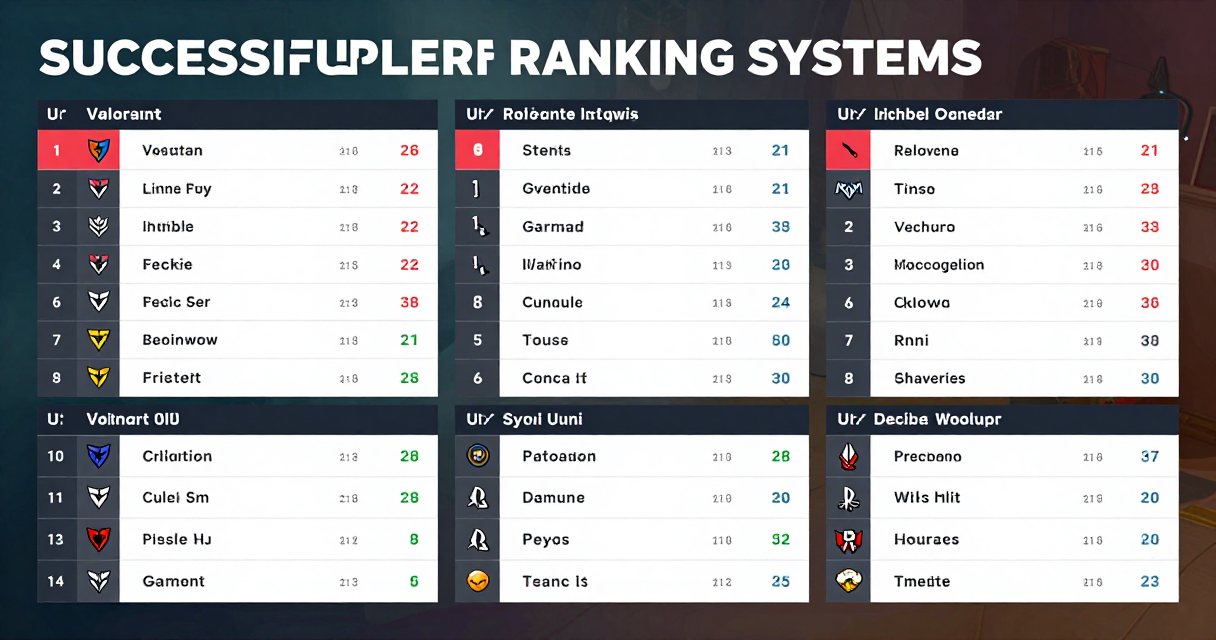
Another notable example is the ranking system in Apex Legends, which features a tiered system that rewards players for consistent performance in ranked matches. Players earn points based on their placement and kills, which can lead to rank promotions or demotions. This system incentivizes players to perform well consistently, rather than relying on a few strong matches to maintain their rank. By analyzing these successful systems, developers can glean insights into effective strategies for creating engaging and fair ranking experiences.
Practical Implications for Players
Understanding ranking systems is essential for players who want to maximize their performance and enjoyment in competitive gaming. Familiarity with how a game’s ranking system operates can inform strategies for improvement. For example, players should focus on developing skills that contribute to both individual success and teamwork, as many systems evaluate contributions from both angles. Additionally, players should be mindful of their mental health regarding ranking progress, recognizing when to take breaks to avoid burnout or frustration.
Moreover, players should actively engage with the community to gain insights into effective strategies and tips for climbing the ranks. Many games have dedicated forums, guides, and content creators who share valuable information on navigating the ranking system. By leveraging these resources, players can refine their skills and better understand the intricacies of the ranking structure, ultimately leading to a more rewarding gaming experience.

I’ve been playing video games since I got my first console at age five, and I love sharing insights about the industry. Writing about game design, indie gems, and the latest releases keeps me excited about the future of gaming.