
The conversation about small studios versus AAA titles has moved far beyond simple budget comparisons, highlighting Action PC games. In the modern market a modestly funded indie game can attract the same number of simultaneous players as a blockbuster franchise, a reality that forces publishers to reassess how they allocate resources. This shift is evident in recent launches where titles from teams of fewer than twenty developers reported peak concurrent player counts rivaling those of long‑running series. The impact is twofold: developers gain leverage to negotiate better distribution deals, and audiences receive a broader spectrum of experiences that challenge the old notion of “big budget equals better game.” Understanding the forces behind this change is essential for anyone following the industry closely.
Budget and Resource Realities
AAA studios typically operate with development budgets that exceed one hundred million dollars, allowing them to staff large multidisciplinary teams and secure cutting‑edge technology. Such financial muscle enables prolonged production cycles, extensive quality assurance testing, and global marketing campaigns that can span multiple continents. However, the sheer size of these budgets also introduces layers of bureaucracy, making decision‑making slower and sometimes diluting the original creative vision. Small studios, by contrast, often function on budgets measured in the low millions or even thousands, which forces them to prioritize core gameplay loops and maintain tight control over scope.
Operating with limited funds compels indie developers to adopt lean production methods, such as iterative prototyping and community‑driven feedback loops. This efficiency can translate into faster release schedules, sometimes delivering a polished product within a year of inception. The financial constraints also encourage studios to seek alternative revenue models, including early access programs, crowdfunding, or episodic releases, each providing a steady cash flow while keeping players invested in the development journey. These practices have demonstrated that a well‑executed small‑budget title can achieve commercial success comparable to that of a high‑budget counterpart.
Scope of Creative Freedom
Large publishers often oversee multiple projects simultaneously, which can lead to a homogenization of design choices aimed at minimizing risk. Creative teams within AAA houses may be required to align with established franchise guidelines, adhere to strict brand standards, and incorporate mandatory monetization models. While this structure ensures consistency across a series, it can also stifle experimentation and limit narrative depth. Nevertheless, some AAA titles have managed to break this mold by allocating dedicated “creative labs” where smaller, cross‑functional groups explore unconventional ideas.
Indie studios, unburdened by corporate mandates, frequently embrace bold storytelling techniques and niche gameplay concepts. Titles such as “Hades” or “Celeste” illustrate how focused narrative and tightly designed mechanics can resonate deeply with players, similar to the appeal of Strategy PC games that achieve critical acclaim alongside mainstream releases. The freedom to iterate without external pressure allows developers to refine their artistic vision, resulting in experiences that feel personal and authentic. This autonomy frequently translates into a stronger emotional connection with the audience, a factor that can drive long‑term loyalty and word‑of‑mouth promotion.
Player Expectations and Community Building
Players approaching early access games usually anticipate a polished experience with high production values, expansive worlds, and robust post‑launch support. The expectation of regular content updates, seasonal events, and competitive modes creates a demanding development timetable that can strain even the most seasoned studios. When a large release fails to meet these expectations, the backlash can be swift and widespread, amplified by the sheer size of the player base.
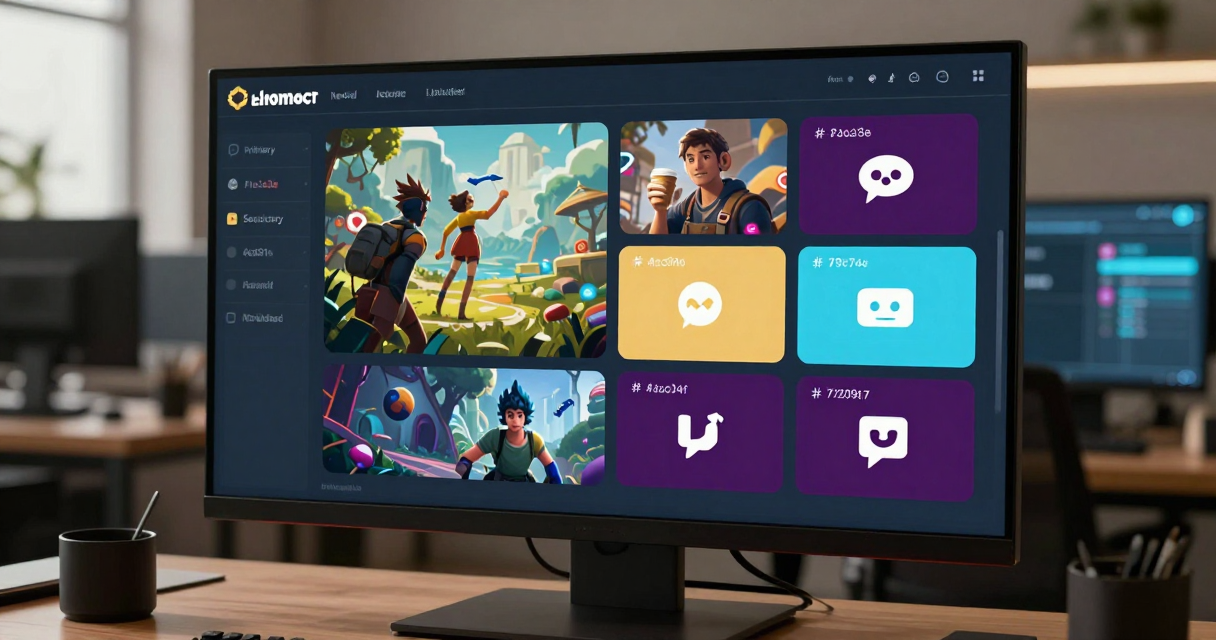
Conversely, small studios often cultivate tight‑knit communities from the outset, leveraging platforms such as Discord, Reddit, and Twitch to maintain direct dialogue with their audience. By involving players in beta testing, soliciting feedback on balance changes, and celebrating community milestones, indie developers foster a sense of ownership among their fans. This approach not only enhances player retention but also provides valuable data that can inform future updates, creating a virtuous cycle of improvement and engagement that rivals the scale of AAA support structures.
Technical Ambitions and Engine Choices
AAA developers have the luxury of building proprietary engines or licensing top‑tier technology, granting them unparalleled control over graphics fidelity, physics simulations, and networking capabilities. These tools enable the creation of photorealistic environments, complex AI behaviors, and seamless cross‑platform performance for Simulation PC games. However, the development of custom engines can extend production timelines and require specialized expertise that only a handful of studios possess.
Indie teams frequently turn to versatile, cost‑effective engines such as Unity or Unreal Engine, which provide a solid foundation while allowing for rapid prototyping. Recent advancements in these platforms have narrowed the visual gap between indie and AAA titles, making it possible for a small team to deliver a visually impressive product without the overhead of a bespoke engine. Moreover, the modular nature of these engines supports a wide range of PC game genres, from 2D platformers to expansive open worlds, granting developers the flexibility to pursue ambitious concepts within realistic technical limits.
Marketing Strategies and Launch Dynamics
AAA launches are accompanied by multi‑million‑dollar advertising campaigns that span television, online video, billboards, and influencer partnerships. The sheer volume of promotional material ensures that the title dominates public consciousness before release, often guaranteeing a strong opening weekend. Yet this massive exposure also raises the stakes; a poorly received game can result in significant financial loss and damage to the publisher’s reputation.

Small studios typically rely on more targeted marketing tactics, such as community teasers, livestream events, and strategic collaborations with content creators who share a genuine interest in the project. By focusing on authenticity and storytelling in their promotional efforts, indie developers can generate organic buzz that translates into viral success. Recent cases have shown that a well‑timed influencer stream or a compelling trailer can drive millions of concurrent players on launch day, demonstrating that effective outreach does not require a colossal budget.
Future Trends for Small Studios and AAA Publishers
Looking ahead, the lines between small studios and AAA publishers are likely to continue blurring as technology democratizes development tools and distribution channels become more accessible. Large companies are beginning to acquire successful indie studios, integrating their innovative approaches while preserving the creative autonomy that made those titles stand out. At the same time, small teams are experimenting with hybrid financing models, blending traditional investment with community‑driven funding to sustain long‑term projects without sacrificing artistic direction.
As player expectations evolve, both sectors will need to prioritize adaptability, community engagement, and sustainable development practices. The rise of cloud gaming, cross‑play ecosystems, and emerging monetization frameworks offers fresh opportunities for studios of any size to reach broader audiences. Ultimately, the competitive edge will belong to those who can balance technical ambition with authentic storytelling, delivering experiences that resonate regardless of the studio’s scale.

I’ve been playing video games since I got my first console at age five, and I love sharing insights about the industry. Writing about game design, indie gems, and the latest releases keeps me excited about the future of gaming.