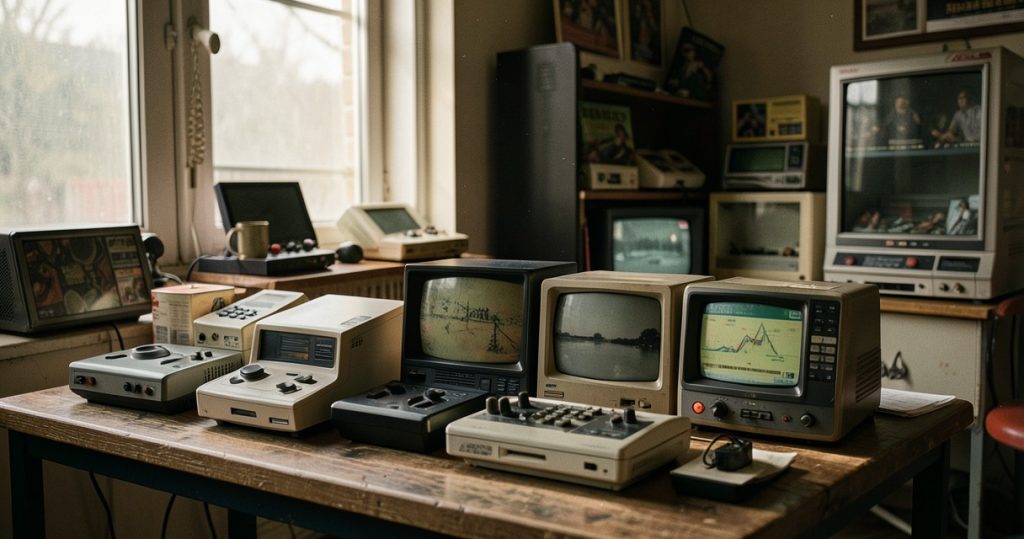
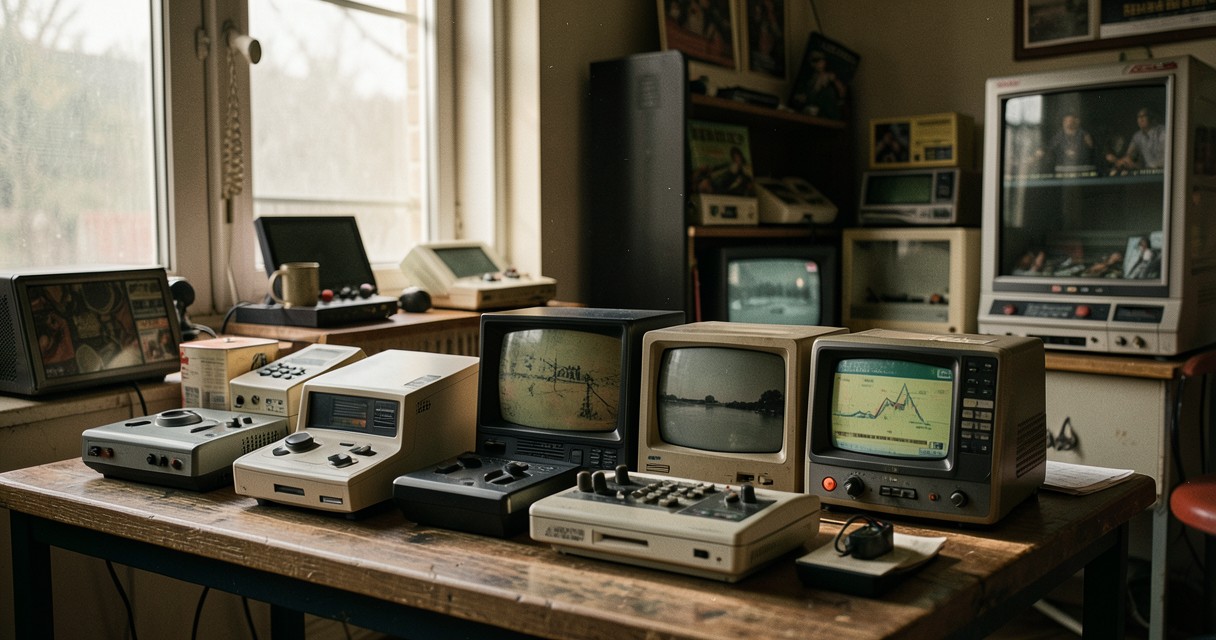
Game preservation has become a pressing issue in the gaming industry, especially as digital distribution continues to dominate. With the rise of platforms like PlayStation, Xbox, and Steam, many classic titles are at risk of being lost forever due to outdated technology, licensing issues, and corporate decisions. This article delves into the various facets of game preservation, the challenges faced by gamers and developers alike, and the potential solutions that could help safeguard our gaming heritage.
The Impact of Digital-Only Distribution
The shift towards digital-only distribution has fundamentally changed how games are bought, sold, and preserved. Platforms like the PlayStation Store and Xbox Live have made it easier to purchase and access games, but they have also created a new set of challenges. For instance, digital games can be removed from stores without warning due to licensing agreements or corporate decisions, leaving players with no way to access titles they may have purchased. This raises serious concerns regarding ownership and access, as players can find themselves at the mercy of platform holders who control the availability of content.
Moreover, digital rights management (DRM) restrictions can further complicate preservation efforts. For example, some platforms impose a time limit on digital purchases, which can prevent players from accessing games they’ve bought after a certain period. This means that even if you own a game digitally, your access could be revoked due to arbitrary policies, effectively locking you out of your own collection. These issues highlight the precarious nature of digital ownership and the need for more robust preservation strategies.
Licensing and Legal Challenges
Licensing agreements are a significant hurdle in the realm of game preservation. Many games rely on licensed content, such as music, brands, or characters, which can lead to complications when it comes to re-releases or digital availability. When licenses expire, games may be removed from digital storefronts, and the original versions may never see the light of day again. This is especially concerning for classic titles that rely heavily on specific licenses, making them virtually unplayable if the rights holders choose not to renew.
Furthermore, the legal landscape surrounding game preservation is murky at best. While some developers and publishers support preservation efforts, others actively oppose them, fearing loss of revenue or control over their intellectual property. This creates a dichotomy in the industry, where some games are celebrated and preserved, while others are left to fade into obscurity. The lack of clear legal frameworks for preservation initiatives complicates efforts to archive and maintain access to these games for future generations.
The Role of Emulation in Preservation
Emulation has emerged as a powerful tool for preserving gaming history, allowing players to experience titles that may no longer be accessible through official channels. By creating software that mimics the hardware of older consoles, emulators enable gamers to play classic games on modern systems. This has been particularly beneficial for preserving titles from systems that are no longer in production, such as the Sega Genesis or the original PlayStation.

However, emulation is not without its controversies. Many developers view it as a threat to their intellectual property, while others see it as a necessary means of keeping gaming history alive. Some argue that emulation should only be used for games that are no longer commercially available, while others advocate for broader access to all games. Regardless of the differing opinions, emulation remains a significant aspect of the ongoing conversation about game preservation, providing a lifeline for titles that would otherwise be lost.
Community Efforts and Grassroots Movements
In response to the challenges posed by corporate practices and legal barriers, various community-driven initiatives have emerged to support game preservation. Groups like the Video Game History Foundation and the Video Game Archive are dedicated to collecting and preserving video games, hardware, and related materials. These organizations work to document gaming history, educate the public, and advocate for better preservation practices within the industry.
Grassroots movements have also gained traction, with passionate gamers and developers collaborating to save older titles from obscurity. Projects like the Game Preservation Society focus on archiving games and making them available to the public, while others engage in reverse engineering to ensure that classic games remain playable. These community efforts highlight the dedication of individuals who believe in the importance of preserving gaming history for future generations.
Shifts in Corporate Attitudes
As awareness of game preservation issues grows, some companies are beginning to recognize the importance of safeguarding their titles. Recent trends show that certain publishers are making efforts to re-release classic games, often bundled with additional content or remastered graphics. These re-releases not only provide a revenue stream for companies but also allow new players to experience beloved titles that shaped the industry.
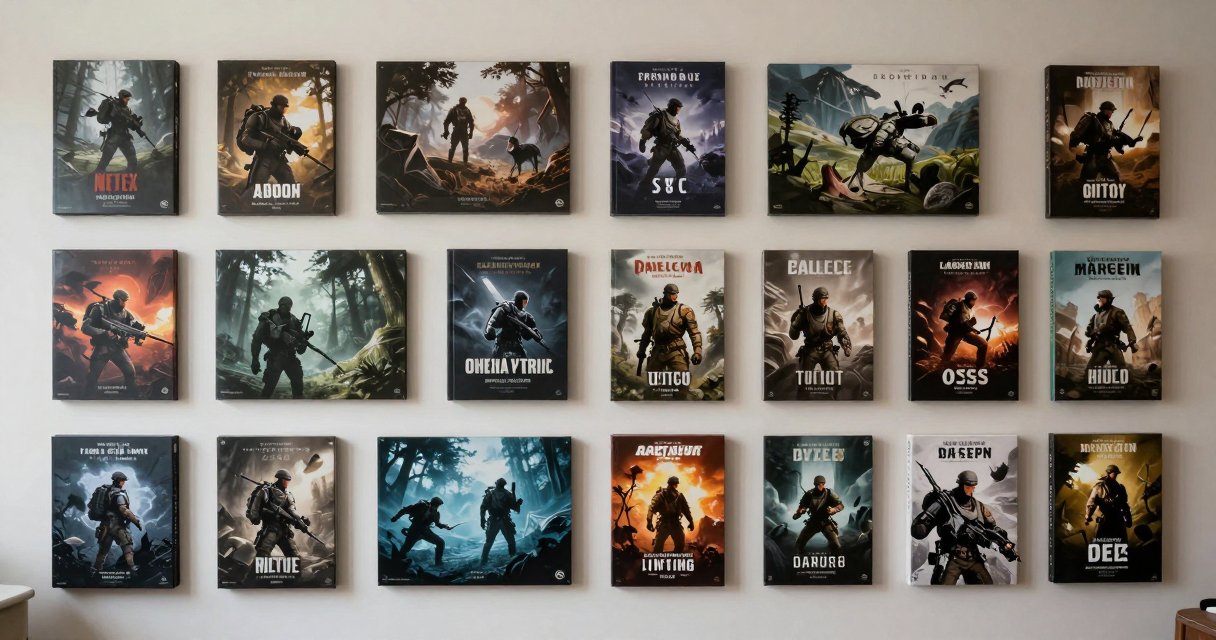
However, these corporate initiatives often come with caveats. Many re-releases are limited in scope, and not all titles receive the attention they deserve. Additionally, the practice of remastering can sometimes alter the original experience, leading to debates about whether these new versions truly preserve the essence of the games they aim to honor. Companies must strike a balance between innovation and preservation to ensure that the legacy of their titles endures.
The Future of Game Preservation
The future of game preservation hinges on the collaboration between developers, publishers, and the gaming community. As technology continues to evolve, new methods for preserving games will undoubtedly emerge. Innovations in cloud gaming, for instance, could provide opportunities for players to access classic titles without worrying about physical media or licensing issues. However, this also raises concerns about the control that companies may exert over these platforms.
Moreover, increased awareness of preservation issues may lead to more robust legal protections for archiving and access. Advocacy for clearer laws surrounding game preservation could help establish a framework that supports preservation initiatives while respecting intellectual property rights. By fostering open discussions and collaboration between stakeholders, the gaming industry can work towards a future where game preservation is valued and prioritized.

I’ve been playing video games since I got my first console at age five, and I love sharing insights about the industry. Writing about game design, indie gems, and the latest releases keeps me excited about the future of gaming.