Skill-based matchmaking (SBMM) has become a focal point of discussion in the gaming community, especially as competitive multiplayer games continue to evolve. This system aims to pair players of similar skill levels to create balanced and enjoyable matches. However, the implementation and effectiveness of SBMM can vary widely among different games and genres. In this article, we will explore various aspects of skill-based matchmaking, including selection criteria, different approaches taken by popular games, and guidance on choosing games that best suit your competitive spirit.
Understanding Skill-Based Matchmaking
At its core, skill-based matchmaking is designed to create fair and competitive environments by matching players with others of similar abilities. The primary goal is to enhance the gaming experience, allowing players to engage in challenging yet achievable matches. SBMM typically relies on various metrics, such as win/loss ratios, kill/death ratios, and overall performance statistics. However, the specifics of how these metrics are weighted can differ significantly from one game to another, leading to varied player experiences.
While SBMM can foster a sense of achievement and progression, it can also lead to frustration if players feel they are being matched against opponents who are either too skilled or not skilled enough. This disparity can create a sense of imbalance, prompting some players to prefer casual modes where matchmaking is less stringent. Understanding how a game implements SBMM is crucial when selecting a title that aligns with your gaming preferences.
Popular Games Utilizing SBMM
Many popular games have adopted SBMM to enhance their competitive play. Titles like “Call of Duty” series, “Apex Legends,” and “Valorant” have all integrated some form of skill-based matchmaking. For example, “Call of Duty: Modern Warfare” has faced criticism for its matchmaking system, which players argue can be overly punitive. The game’s SBMM algorithm is designed to place players in matches that reflect their recent performance, which can lead to frustrating experiences for those on losing streaks.
On the other hand, “Apex Legends” employs a more nuanced approach by considering players’ overall performance over time rather than just recent matches. This allows for a slightly more forgiving matchmaking experience, catering to players who may have off days but still want a fair challenge. Each game’s specific implementation can drastically affect how enjoyable the competitive experience is for players.
Differences in SBMM Implementation
Different games take varied approaches to SBMM, which can significantly influence the player experience. For instance, “Valorant” uses a ranked system that categorizes players into distinct tiers based on their skill level. This tier system not only helps in matchmaking but also provides players with a clear understanding of their progression. By consistently winning matches, players can move up the ranks, creating a satisfying loop of improvement and challenge.
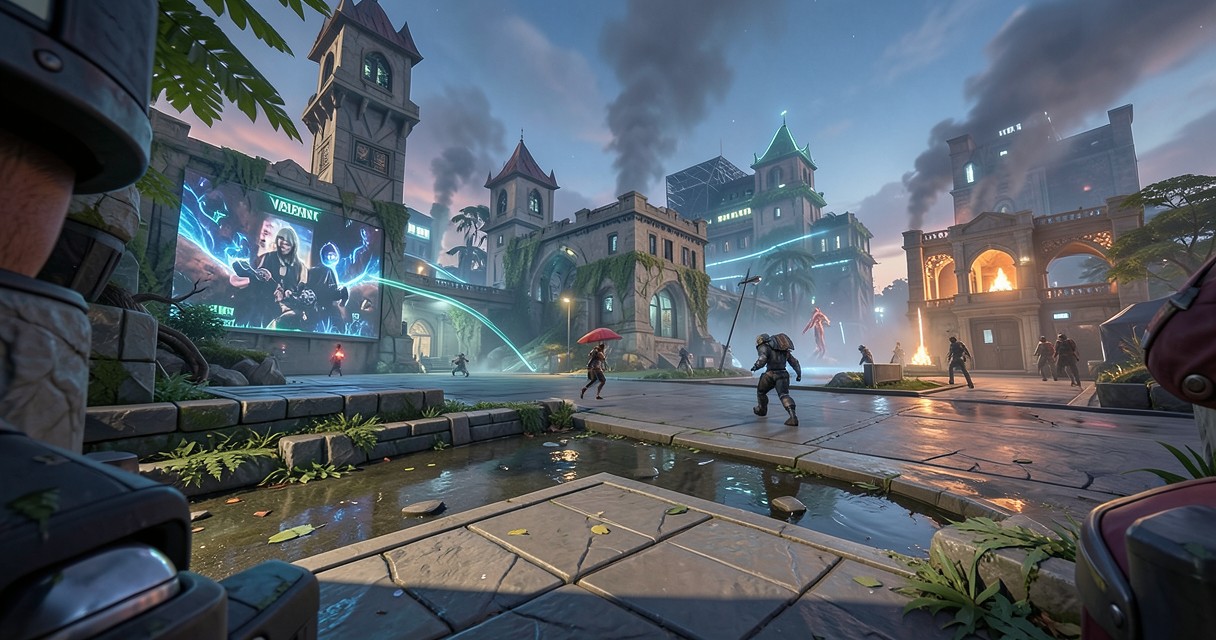
In contrast, some games may opt for a less rigid system. “Fortnite,” for example, tends to focus more on player enjoyment and casual play, leading to a matchmaking system that is less strictly based on skill. While this can lead to mismatches, it also allows for a more relaxed gaming environment where players can experiment with different strategies without the pressure of constantly facing highly skilled opponents.
Choosing the Right Game for Your Skill Level
When selecting a game that utilizes SBMM, consider your own skill level and what type of experience you are seeking. If you are a competitive player looking for a challenge, games like “Valorant” or “League of Legends” might be more suitable due to their structured ranking systems. These games typically provide a clear pathway for improvement and a more intense competitive atmosphere.
If you prefer a more casual experience, games with less stringent SBMM, such as “Fortnite” or “Rocket League,” may be more your speed. These titles often allow for a broader range of player skill levels, making it easier to enjoy the game without the pressure of constant competition. Additionally, many of these games offer casual playlists or modes specifically designed for players who want to unwind without the stress of ranked play.
The Impact of SBMM on Player Retention
SBMM can significantly impact player retention, as a well-balanced matchmaking system can keep players engaged over time. Games that successfully implement SBMM often see higher player satisfaction, leading to longer play sessions and increased loyalty. For instance, “Apex Legends” has maintained a strong player base partly due to its effective matchmaking, which allows players to feel challenged without being overwhelmed.
Conversely, games with poorly executed SBMM can lead to player frustration, resulting in a decline in engagement. Players who frequently encounter unbalanced matches may leave the game altogether, seeking out alternatives that provide a more enjoyable experience. Developers need to continually assess and refine their matchmaking systems to ensure they meet player expectations and retain their audience.
Future Trends in Skill-Based Matchmaking
The future of SBMM in video games looks promising, with developers increasingly focusing on creating more sophisticated algorithms that consider a wide array of player metrics. Innovations in machine learning and data analysis may allow for even more personalized matchmaking experiences, adapting to players’ skills and play styles in real-time. Games like “The Duskbloods” by FromSoftware are already exploring these possibilities, promising a more dynamic matchmaking system that adjusts based on player performance and skill gaps.

As players demand more from their gaming experiences, developers will need to stay ahead of the curve. This might include integrating player feedback into matchmaking systems or experimenting with hybrid models that blend skill-based and casual matchmaking. The ongoing evolution of SBMM will likely shape the landscape of competitive gaming for years to come.
Community Perspectives on SBMM
The gaming community is often divided on the effectiveness of SBMM. Some players advocate for its necessity, arguing that it levels the playing field and enhances the competitive spirit. They believe that facing opponents of similar skill levels can lead to a more satisfying gaming experience and foster a sense of camaraderie among players. This perspective is particularly strong within competitive circles, where the thrill of victory against equally matched opponents is highly valued.
Conversely, many casual gamers express frustration with SBMM, feeling that it can create an overly competitive atmosphere. They argue that the pressure to perform at a high level can detract from the enjoyment of the game. This debate highlights the need for developers to find a balance between competitive integrity and player enjoyment, ensuring that all types of players can find satisfaction within their games.

I’ve been playing video games since I got my first console at age five, and I love sharing insights about the industry. Writing about game design, indie gems, and the latest releases keeps me excited about the future of gaming.